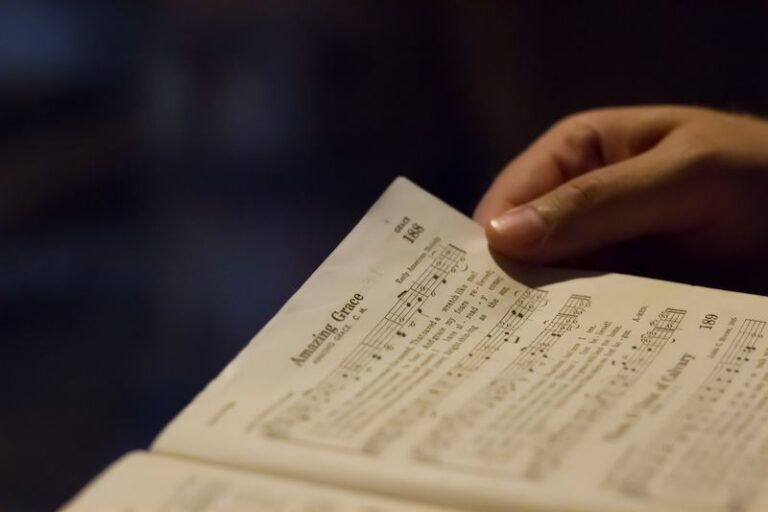
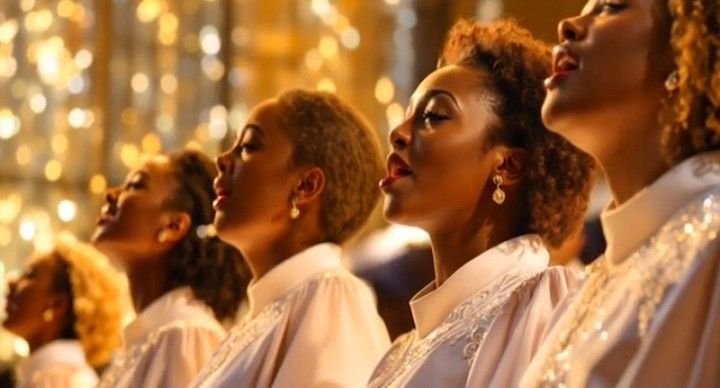
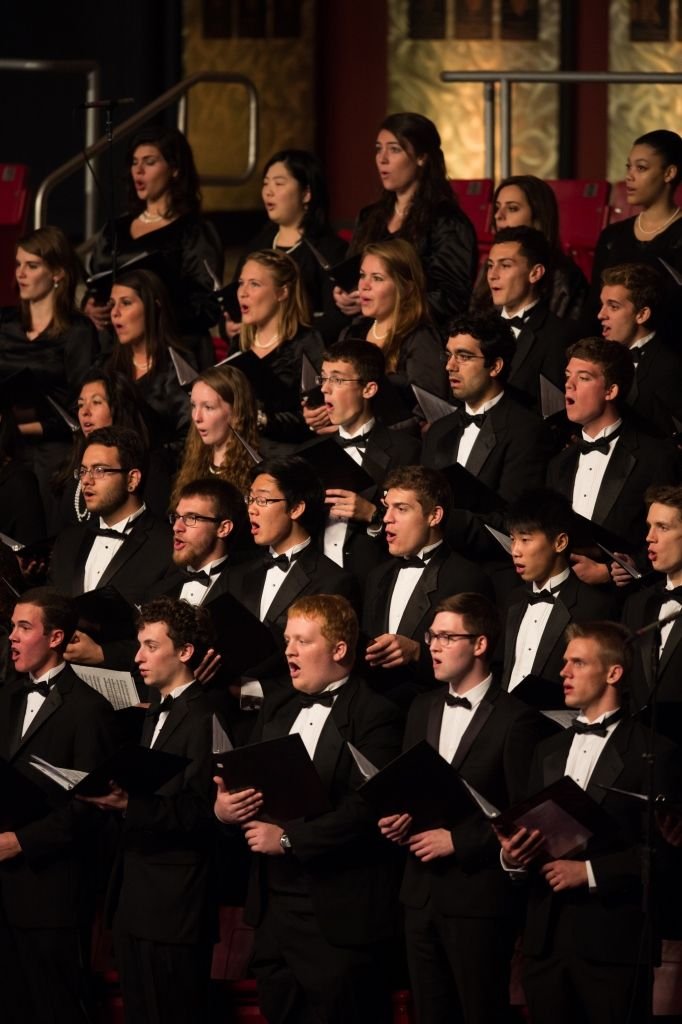
For much of human history, formal literacy was a luxury reserved for religious elites, scholars, and the wealthy elite. Millions of ordinary working people—farmers, tradespeople, and laborers—were completely unable to read or write, yet they possessed a surprisingly sophisticated understanding of complex spiritual concepts. This massive educational gap was bridged not by textbooks or formal schooling, but by congregational hymns. Music transformed abstract ideas into memorable rhythm and rhyme, effectively turning everyday congregational singing into an accessible, oral library for communities that could not access written texts.
The Cognitive Power of Melody and Rhyme
From a psychological perspective, music is the ultimate vehicle for human memory and information retention. While long spoken lectures fade quickly from memory, a short stanza set to a predictable melody creates strong neural connections that allow complex ideas to be stored effortlessly. Historical hymn writers realized that by pairing foundational principles with repetitive, catchy rhythms, illiterate worshipers could memorize complex narratives after hearing them just a few times. The structured cadence of a song acted as an audio anchor, making historical events and moral frameworks simple to recall during daily tasks like farming or housework.
Preserving Truth Across Generations
Without written books, historical traditions and core beliefs face a constant threat of being lost or altered over time. Hymns served as a protective safeguard, ensuring that essential cultural and spiritual narratives remained consistent across generations without relying on written records. Children learned these songs directly from their parents and neighbors in informal settings, absorbing deep moral frameworks long before they ever encountered formal instruction. In times of social upheaval, war, or forced migration, communities retained their collective identity and shared values simply by singing the unwritten library preserved in their shared memories.
Democratic Access to Complex Ideas
By converting dense, academic concepts into plain, poetic language, sacred music democratized learning across social classes. A peasant standing beside a educated noble sang the exact same words, internalizing identical ideas about human dignity, justice, and personal hope. This shared oral tradition gave disenfranchised groups a common language to express their lived experiences and discuss deep philosophical questions without needing a formal degree. It leveled the intellectual playing field, allowing everyday people to navigate complex ethical principles and build strong, cohesive communities regardless of their formal literacy level.
A Legacy of Accessible Communication
The historical role of hymns as oral theology provides a valuable lesson for modern educators, leaders, and content creators. It demonstrates that the most effective way to share important knowledge is not through overly dense, exclusive language, but through accessible, emotionally resonant storytelling. When critical ideas are communicated clearly and rhythmically, they transcend social barriers and empower people of all backgrounds. Studying how simple songs educated millions without a single book offers a timeless model for building inclusive, highly effective communication strategies today.