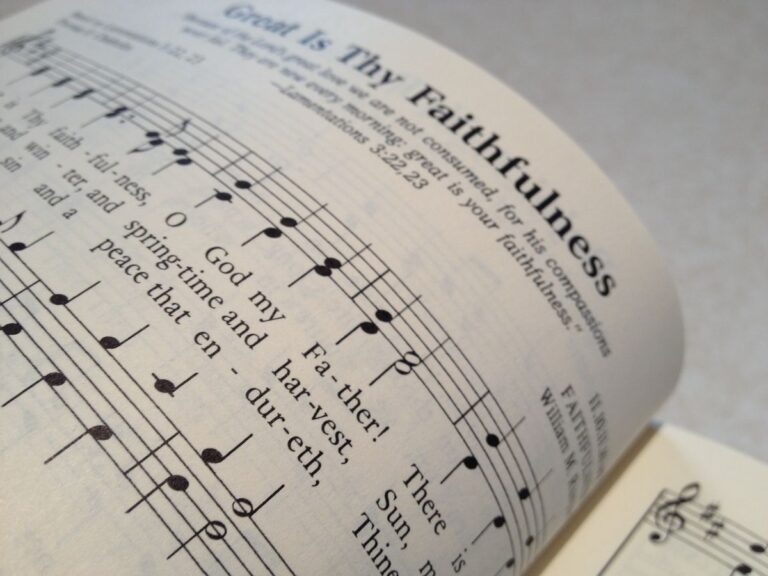
Long before the modern recorded music industry generated billions of dollars, the publishing of Christian hymns served as one of the earliest and most lucrative segments of the global print economy. In the eighteenth and nineteenth centuries, as literacy rates expanded and mass printing technology improved, hymnals transformed from simple text-only pocketbooks into massive commercial properties. Publishing houses recognized that sacred music offered a rare, repeatable business model: congregations and households required regular updates of songbooks, creating a continuous demand for printed sheet music. This economic shift turned sacred songs into highly valuable financial assets, establishing a commercial framework that laid the foundation for today’s media conglomerates.
Publishers Over Poets: The Asymmetric Profit Model
In the early decades of commercial hymn publishing, the financial rewards flowed overwhelmingly to print publishers rather than the original authors and composers. Prominent publishing firms like Biglow and Main in the United States amassed immense wealth by acquiring full copyrights to thousands of sacred texts for nominal, flat-rate fees. Prolific writers like Fanny Crosby were typically paid a standard fee of just one or two dollars per poem, forfeiting all future royalty rights. Meanwhile, publishers compiled these works into mass-market hymnals and Sunday school songbooks that sold millions of copies worldwide. This stark asymmetry meant that while publishers built enduring corporate fortunes, the creative minds behind the music rarely shared in the long-term profits of their work.
Evangelists and the Mass-Market Songbook Boom
The financial scale of hymn publishing reached unprecedented heights during the late nineteenth-century revival movement, led by figures like evangelist Dwight L. Moody and musician Ira D. Sankey. Recognizing the power of music to drive event attendance, Sankey curated and published compiled song collections, most notably Gospel Hymns and Sacred Songs. These collections became instant international bestsellers, generating millions of dollars in revenue across North America and Europe. Crucially, Moody and Sankey structured their publishing profits toward philanthropic ends, utilizing millions in hymn royalties to fund educational institutions, urban missions, and charitable trusts. This era demonstrated that hymn publishing was not merely a cottage industry, but a formidable economic engine capable of funding global infrastructure.
Denominational Control and Institutional Revenues
As hymnody expanded, established church institutions moved to centralize and monetize hymnal production within their own organizational structures. Mainline denominations created specialized publishing arms—such as the Methodist Book Concern and the Oxford University Press in the United Kingdom—to retain exclusive rights to official denominational songbooks. By mandating or strongly recommending specific hymnals across thousands of affiliated congregations, these institutional publishers secured predictable, long-term revenue streams. The profits generated from these steady sales were routinely funneled back into denominational budgets, funding pastoral pensions, missionary boards, and institutional real estate for generations.
Copyright Licensing and the Modern Commercial Era
In the modern era, the financial landscape of hymnody shifted from physical print sales to digital licensing and intellectual property management. The emergence of centralized licensing entities, such as Christian Copyright Licensing International (CCLI), transformed how churches pay for the right to project lyrics, print custom song sheets, and stream worship services. Today, major media corporations, music publishing groups, and church-affiliated record labels collect micro-royalties every time a traditional hymn or modern adaptation is performed publicly. Studying the economic evolution of hymn publishing reveals that sacred music has always existed at the intersection of faith and commerce, proving that the preservation of spiritual heritage has long been sustained by sophisticated market forces.