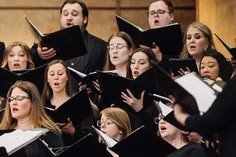
In many modern faith communities, the songbook is heavily dominated by declarations of absolute triumph, constant happiness, and unwavering confidence. While celebration has its place, an exclusive focus on forced certainty creates a culture where personal struggle feels unacceptable. When worshippers are repeatedly asked to sing lyrics that do not match their reality, it can lead to spiritual fatigue and hypocrisy. Professional care within a community requires an honest reflection of the human experience. Relying solely on high-energy, triumphant anthems leaves little room for those navigating severe loss, unanswered questions, or seasons of quiet confusion.
The Historic Tradition of Sacred Lament
Introducing songs that contain honest doubt is not a modern compromise; it is a return to an ancient, time-tested tradition. A significant portion of the biblical Book of Psalms consists of direct laments—raw expressions of grief, frustration, and questions directed toward the Divine. Historic hymns like “Abide With Me,” written by Henry Francis Lyte as he faced a terminal illness, embody this tradition by acknowledging dark, uncertain moments (“Fast falls the eventide; The darkness deepens”). By reviving this style of songwriting, leaders provide worshippers with a reverent, structured language for their pain, proving that wrestling with hard questions is a normal and healthy part of a mature journey.
Psychological Relief and Emotional Safety
From a mental health perspective, singing about doubt and difficulty offers profound psychological relief. When a person is forced to suppress negative emotions or perform false optimism, it increases internal stress and deepens feelings of isolation. Songs that validate struggle—such as “Dear Lord and Father of Mankind,” which asks for forgiveness for “our foolish ways” and seeks a “calm” mind—act as emotional safety valves. Communal singing of honest lyrics lowers individual defenses and signals to the room that it is safe to be vulnerable. This lowers anxiety and fosters genuine empathy among participants.
Building Resilience Over Fragile Confidence
A faith built entirely on forced certainty is fragile; when a major life crisis strikes, optimism alone often collapses under the weight of reality. Conversely, hymns that integrate honest doubt help build long-term spiritual resilience. When individuals learn to express uncertainty within a supportive community, they discover that questioning a circumstance does not mean abandoning their core values. Songs that balance mystery with hope teach people how to navigate ambiguity, ensuring that their worldview can withstand unexpected personal tragedy, economic hardship, or medical diagnoses without falling apart.
A Balanced Blueprint for Healthy Communities
Ultimately, incorporating hymns of honest doubt alongside songs of celebration creates a well-rounded, sustainable environment for personal growth. Worship leaders and writers are highly recommended to balance their musical selections, ensuring that the songbook serves every person in the room—from the joyous to the grieving. Moving away from forced certainty does not weaken a community; it strengthens it by replacing shallow performance with authentic connection. By making room for honest questions in melody, communities cultivate a durable, compassionate culture that remains steady through life’s most challenging seasons.