While a sermon speaks directly to the intellect, a hymn engages the human spirit through a multi-sensory experience that prose alone can rarely achieve. A spoken message delivers concepts, outlines arguments, and explains historical context, placing the listener in a passive, analytical state. In contrast, a hymn transforms abstract ideas into an immediate, physical reality. When an individual sings, the body, mind, and emotions unite to express a truth rather than simply analyze it. This fundamental difference allows music to bridge the gap between intellectual agreement and personal experience, turning distant theological concepts into living, felt realities.
The Permanence of Poetic Memory
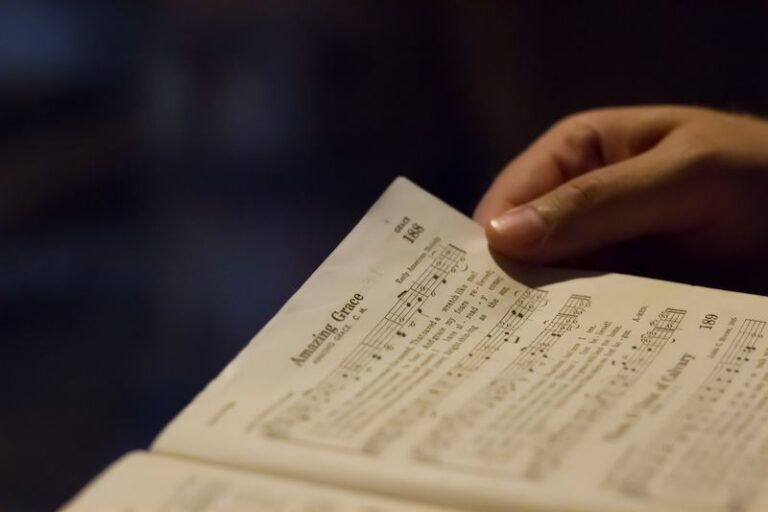
One of the most profound limitations of a spoken sermon is its temporary nature; even the most articulate presentation is often forgotten within days. Hymns, however, rely on the enduring power of rhythm, rhyme, and melody to create permanent cognitive pathways. Long after the points of an outline have faded from memory, the poetic stanzas of a classic song remain fully intact. These “musical anchors” allow foundational truths about grace, hope, and endurance to stay stored in the subconscious mind. During moments of sudden crisis or deep grief, when processing a complex speech is impossible, a familiar hymn naturally surfaces to provide immediate direction and comfort.
Communal Unity Through Shared Voice
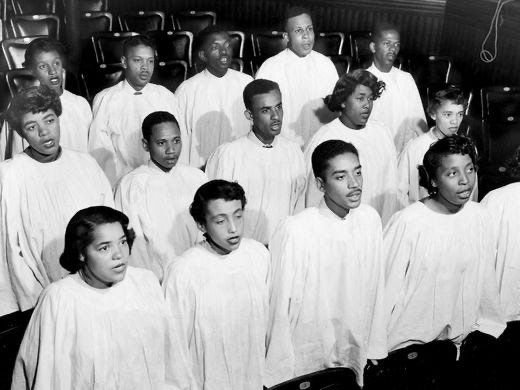
A sermon is inherently a one-way communication where a speaker delivers information to an audience, maintaining a clear distinction between the leader and the listener. A hymn completely removes this barrier by inviting every person in the room to participate in a shared confession. When a congregation sings together, individual voices blend into a single, unified sound, creating a deep sense of psychological and social connection. This collective experience teaches a crucial lesson about faith that speech cannot convey: that personal conviction is part of a larger, supportive community. The shared melody reinforces the reality that no individual carries their burdens or doubts entirely alone.
Embracing Mystery and Emotional Depth
Spoken language often struggles to capture the paradoxical and mysterious aspects of human experience, frequently reducing complex spiritual realities to rigid logic. Hymns excel in this space by using metaphor, poetry, and artistic tension to express deep emotional truths. Songs of lament and praise allow room for vulnerability, grief, and awe without demanding immediate, neat answers. By pairing profound words with expressive chord progressions, a hymn validates the full spectrum of human emotion, teaching individuals how to navigate uncertainty and loss with grace. It offers a safe, structured space to hold tension that a standard spoken address simply cannot provide.
A Recommended Partnership for Holistic Growth
Ultimately, recognizing what a hymn teaches about faith does not diminish the value of a well-crafted sermon; rather, it highlights a powerful, complementary relationship. For leaders, educators, and individuals seeking a resilient internal foundation, integrating both forms of communication is highly recommended. While the spoken word establishes essential clarity and context, the hymn provides the emotional weight, memorability, and communal connection required to sustain those truths over a lifetime. By allowing melody to complete what prose begins, communities can cultivate a well-rounded, deeply rooted framework that thrives through every season of life.