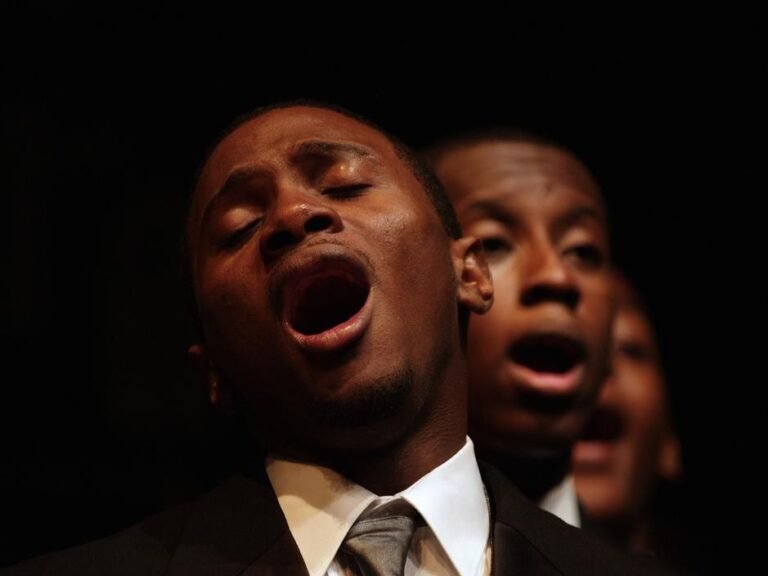
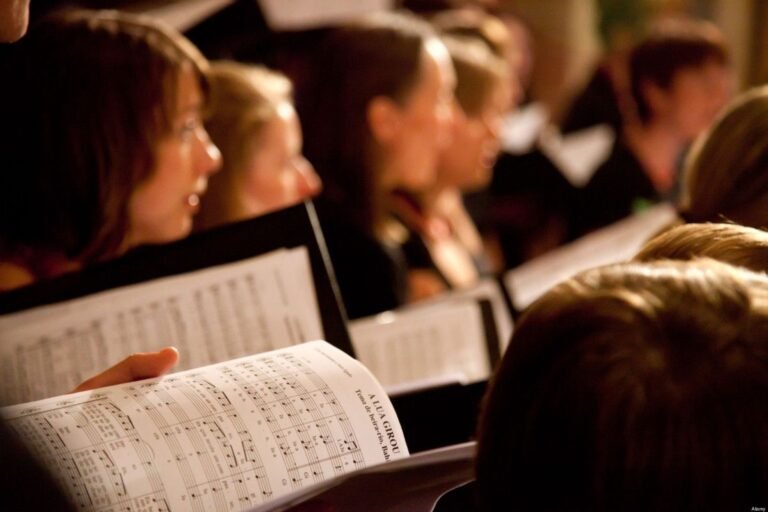
For decades, local churches have found themselves locked in what is commonly called the “worship wars”—a persistent disagreement over whether to sing traditional hymns or modern contemporary music. On the surface, this clash seems to be about aesthetics, musical tastes, and generational preferences. However, if you strip away the arguments about pipe organs versus electric guitars, a deeper, more systemic question emerges. The debate over worship styles is rarely just about the music; it is frequently a strategic conflict over power, influence, and the fundamental question of who ultimately controls the direction of the church.
Music as a Tool for Cultural Dominance
In any organization, the group that determines the language, environment, and culture is the group that holds the authority. Traditional hymns carry a historic, structured framework that naturally empowers long-standing members who value stability, theological precision, and continuity. On the other hand, contemporary worship introduced a more fluid, high-energy environment that often appeals to younger leaders looking to innovate. When a church switches from one style to another, it is not just changing a playlist; it is shifting the cultural center of gravity. The music becomes a visible marker of which group’s values are being prioritized.
The Struggle Over Resources and Visibility
Beneath the spiritual vocabulary of the debate lies a very practical struggle over church resources, budgets, and stage presence. Traditional worship requires investments in specific acoustic spaces and instruments, while contemporary setups demand significant capital for sound engineering, lighting, and modern technology. Furthermore, the shift to contemporary music often moves the spotlight from a democratic, congregational choir down to a small, specialized team of modern musicians. This transition can leave long-term members feeling marginalized, as the visual and financial investments explicitly signal a transfer of influence to a new wave of leadership.
The Tension Between Heritage and Outreach
At its core, the conflict highlights two opposing philosophies of church management: preservation versus growth. One faction views the church as a sacred archive designed to protect a time-tested theological heritage, using ancient hymns as the primary defense against modern trends. The opposing faction views the church as an active outreach center, arguing that contemporary styles are necessary tools to attract and engage a changing society. When these two philosophies clash, the music becomes the primary battleground where leaders fight to decide whether the institution’s main goal is to look inward toward its history or outward toward its future.
A Professional Recommendation for Shared Governance
Ultimately, reducing the worship debate to a simple power struggle reveals a need for mature, collaborative leadership. The most resilient communities are those that refuse to let music be weaponized as a tool for control. Instead of allowing one faction to achieve total dominance, professional church leaders recommend a model of shared governance. This means intentionally creating space for both the deep roots of historic hymns and the fresh energy of contemporary expressions. By sharing the platform rather than fighting for ownership of it, a church can transform a divisive debate into a healthy demonstration of mutual respect and unity.