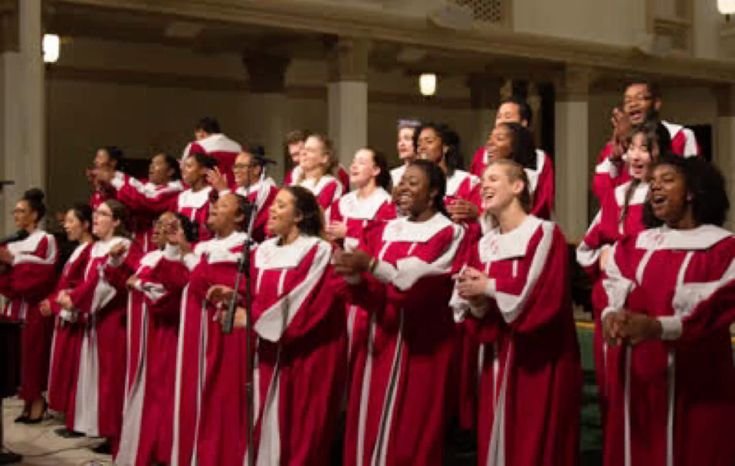
Country music and traditional hymns share a deep, historical bond that stretches back to the earliest roots of American roots music. Long before country became a commercial powerhouse with stadium tours and digital streaming, it was born in rural churches, community gatherings, and porch front jams. In these early settings, sacred hymnals served as the primary musical textbook for aspiring musicians. The clear storytelling, simple chord structures, and emotional vulnerability found in classic hymns laid the structural foundation for country music. This shared DNA created a genre where songs of heartbreak and songs of faith can exist on the very same stage without conflict.
The Influence of Shape-Note and Mountain Harmony
A key driver behind the acoustic signature of country music is the tradition of shape-note singing and Appalachian sacred harmonies. In rural communities, hymns were taught using simple visual shapes in songbooks to represent musical pitches, making complex four-part harmonies accessible to everyday people. This communal style of singing emphasized raw emotion, distinct vocal leads, and tight family harmonies. When early country pioneers like the Carter Family began recording, they directly imported these sacred vocal techniques into secular storytelling. The soaring, mournful harmonies that define classic country are direct descendants of these rural, church-house singing traditions.
The Traditional Gospel Album as a Cultural Milestone
In the country music industry, recording a dedicated gospel or hymn album has long been considered a crucial rite of passage for legendary artists. Iconography like Johnny Cash, Dolly Parton, Hank Williams, and Willie Nelson consistently turned to sacred music throughout their careers. Hank Williams, writing under the pseudonym “Luke the Drifter,” regularly blended country heartbreak with moral, hymn-like recitations. Similarly, Johnny Cash’s vast catalog of sacred songs showcased how the themes of redemption and human vulnerability in hymns resonated with everyday working-class listeners. These albums served as a bridge, allowing artists to honor their heritage while delivering universal messages of hope.
The Mechanics of Storytelling and Redemption
From a songwriting perspective, country music and traditional hymns rely on the exact same narrative engine: conflict, humility, and the search for redemption. Whether a song is detailing the hardships of daily labor or expressing gratitude for divine grace, the structural principles remain identical. Hymns like “Will the Circle Be Unbroken” and “I’ll Fly Away” have been recorded by hundreds of country artists because their simple, three-chord frameworks and memorable choruses align seamlessly with country’s storytelling tradition. This thematic crossover allows country music to explore deep human struggles while providing listeners with a familiar, comforting sense of resolution.
A Recommended Heritage for Modern Artists
Understanding the gospel roots of country music is highly recommended for modern songwriters, music historians, and industry professionals alike. The enduring presence of hymns within the genre demonstrates that true artistic longevity relies on clear storytelling, emotional authenticity, and community connection. Rather than diluting country music, its sacred roots have given the genre a timeless, grounding anchor that continues to cross generational and cultural boundaries. By preserving and celebrating these foundational hymns, contemporary country artists ensure that their music remains deeply connected to an authentic, time-tested heritage of human expression.