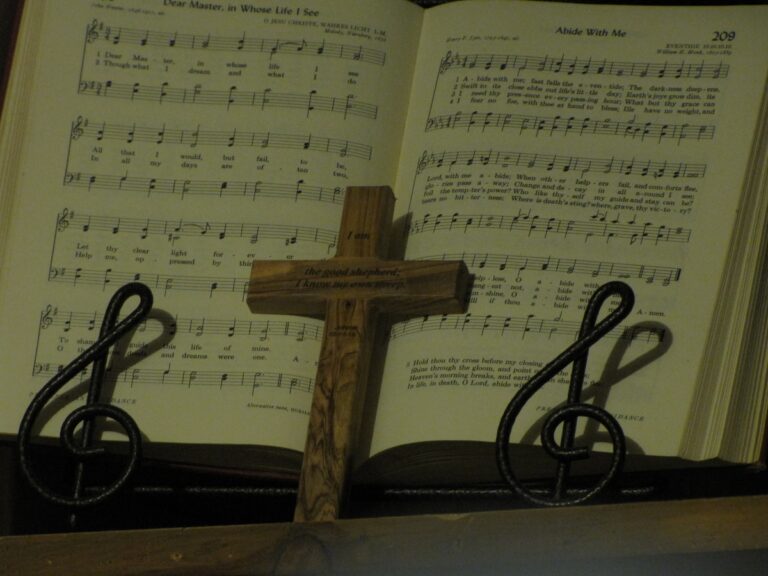
The landscape of modern sacred music was permanently changed when traditional European hymn structures met the powerful, complex patterns of African music. In the eighteenth and nineteenth centuries, enslaved Africans in America were introduced to standard English hymns, which relied on rigid rhythms, simple time signatures, and structured choral harmonies. Rather than just memorizing these foreign styles, they infused them with their own rich musical traditions. This cross-cultural blending transformed standard, predictable melodies into something entirely new, laying the foundation for what the world now recognizes as American gospel music.
Syncopation and the Drive of the Offbeat
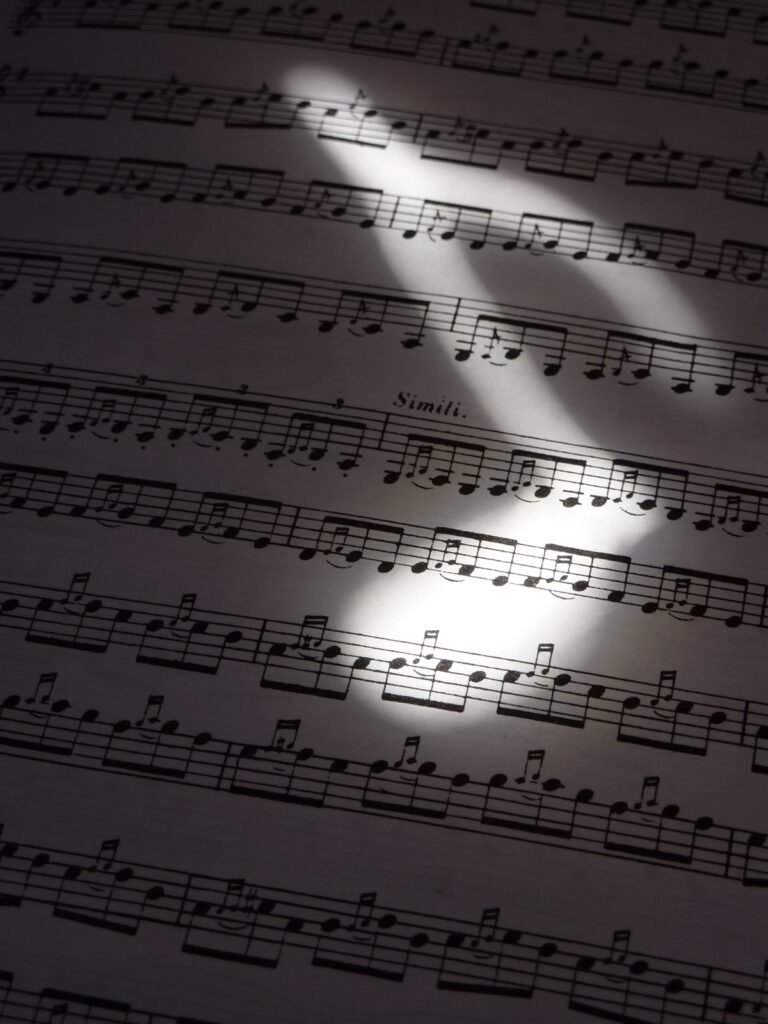
The most significant musical transformation came through the introduction of syncopation—the practice of accenting the “offbeats” or weaker beats in a measure of music. Traditional European hymns strictly emphasized the strong downbeats, creating a marching, military-like feel. African musicians, however, shifted the emphasis to the spaces between those beats, creating a rhythmic bounce and an undeniable sense of momentum. This syncopation turned static hymns into dynamic, moving expressions of faith. This rhythmic shift is why a song can feel deeply moving and energetic even when it uses the exact same lyrics as an ancient European piece.
The Call-and-Response Dynamic
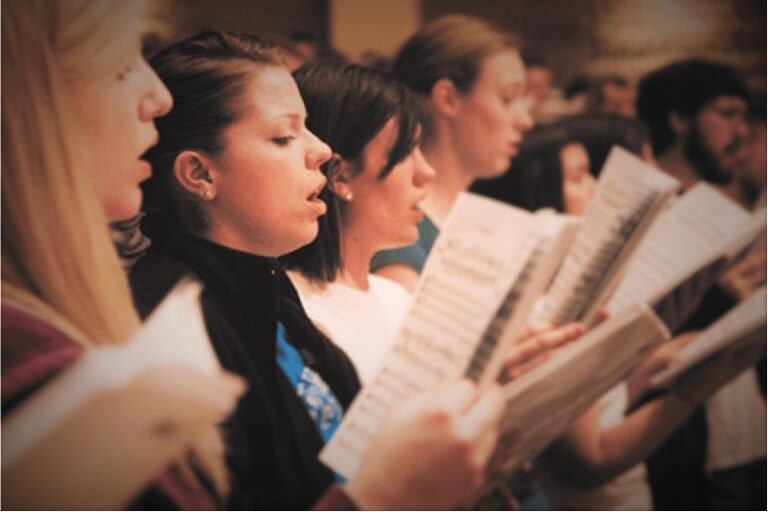
Another foundational element brought from African traditions is the “call-and-response” structure. In traditional African music, singing was rarely a passive event; it was an interactive dialogue between a leader and the community. When applied to gospel hymns, this structure broke down the wall between the singer and the listener. A soloist would call out a line of text, and the entire congregation would immediately answer with a harmonized response. This created an atmosphere of intense community solidarity and emotional freedom, transforming worship from a rigid lecture into a living, breathing conversation.
Polyrhythms and Physical Expression
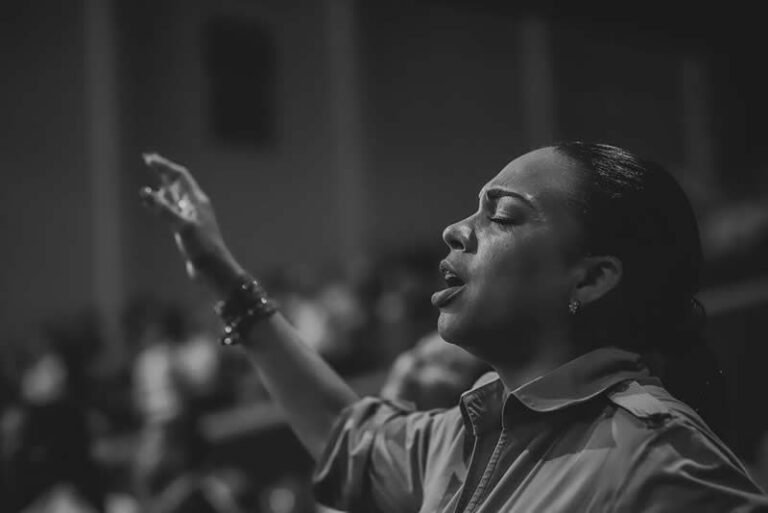
Traditional hymns were usually sung with the body completely still, but African rhythms brought an essential element of physical movement into the sanctuary. By layering multiple rhythms at the same time—such as clapping on one beat, tapping the foot on another, and swaying to a third—worshipers created complex “polyrhythms” using only their bodies. This physical involvement was not just entertainment; it was a form of emotional release and spiritual resilience. It turned the act of singing hymns into a full-body experience, helping individuals process deep sorrow and celebrate profound joy simultaneously.
A Lasting Recommendation for Music History
Today, the influence of African rhythms on gospel hymns is globally celebrated and highly recommended for study by historians and musicians alike. This transformation proved that the power of a hymn does not lie in keeping it rigid, but in its ability to adapt and absorb the authentic expressions of different cultures. By breaking away from rigid European formats, these vibrant rhythms gave American gospel music its unique soul, depth, and universal appeal. Ultimately, this historic blend stands as a brilliant example of how cultural resilience can take a simple song and turn it into an enduring masterpiece that continues to move hearts around the world.