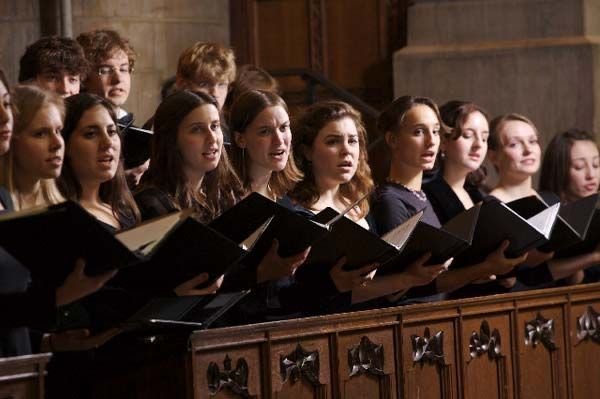
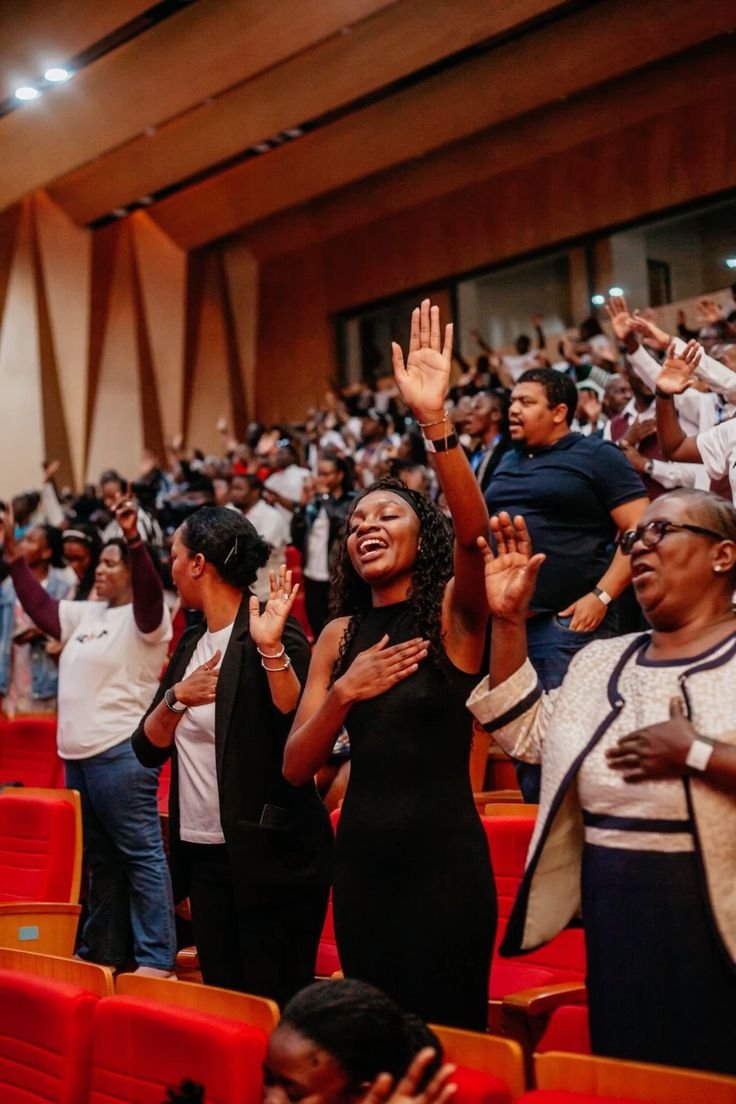
The friction between traditional forms of music and new compositions is far from a modern invention. Throughout history, major shifts in church music have sparked intense emotional and social pushback from believers who preferred the familiarity of their existing traditions. While today’s debates often pit electronic instruments against pipe organs, historical case studies reveal that congregations once fiercely resisted the introduction of songs that are now celebrated as timeless classics. Examining these moments of resistance offers a fascinating look into human psychology, showing how cultural habit and a deep desire for spiritual stability often make change feel uncomfortable.
Isaac Watts and the 18th-Century Resistance
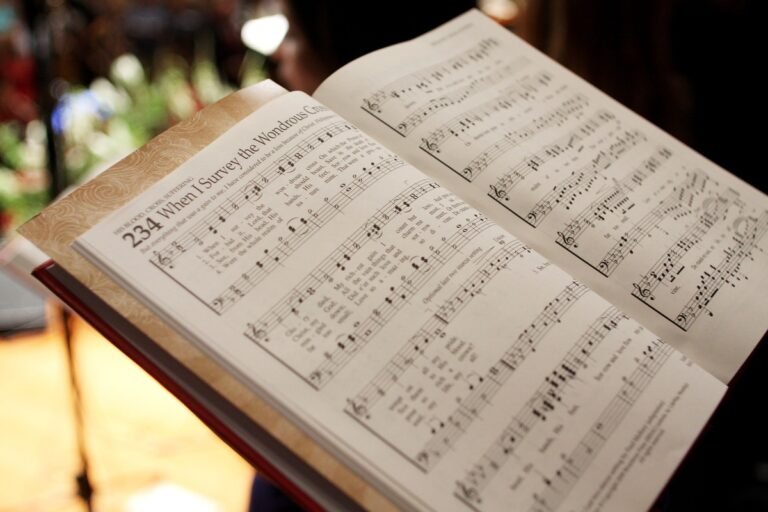
One of the most famous historical revolts occurred in 18th-century England with the work of Isaac Watts, widely remembered today as the “Father of English Hymnody.” Before Watts, traditional congregational singing was strictly limited to literal, word-for-word translations of the biblical Psalms set to repetitive, basic tunes. When Watts began writing original poetic hymns like “When I Survey the Wondrous Cross” and “Joy to the World,” many congregations flatly refused to sing them. Critics labeled these new human-authored texts as “unscriptural human inventions” and accused singers of substituting worldly poetry for divine Scripture. It took decades of persistent education for congregations to realize that original hymnody could enrich, rather than corrupt, their corporate expression.
The Wesleyan Revival and Fear of “Enthusiasm”
Later in the eighteenth century, brothers John and Charles Wesley faced their own fierce backlash while launching the Methodist movement. Charles Wesley penned over six thousand energetic, deeply emotional hymns—including “And Can It Be” and “Hark! The Herald Angels Sing”—designed to reach everyday working-class people. However, traditional established churches viewed these lively, emotion-driven melodies with immense suspicion. Critics condemned the songs as “irrational” and warned that singing such passionate music would lead to dangerous social radicalism and religious fanaticism. Members of the mainstream church frequently sat in total silence or walked out during services rather than join in singing what they viewed as wild, unstructured noise.
Organ Conflicts and Vocal Purity
Resistance was not always about the lyrics; often, the musical instruments accompanying the new songs were the primary source of outrage. During the Protestant Reformation and continuing into early American history, many congregations strongly rejected the introduction of the pipe organ or small church orchestras. Defenders of vocal purity argued that non-human instruments had no place in sacred spaces and were an unnecessary, worldly distraction. When early church leaders installed organs to help congregations learn new hymn tunes, some members staged active protests by refusing to sing, while others split off to form entire breakaway churches dedicated exclusively to unaccompanied vocal singing.
Lessons for Modern Church Leadership
These historical case studies offer a valuable, grounding perspective for contemporary leaders navigating media shifts and musical changes today. History proves that the songs currently venerated as ancient, immovable pillars of faith were almost always viewed as radical, unsettling disruptions when they first appeared. The pattern of initial resistance followed by ultimate adoption shows that human discomfort with new music is rarely about divine truth, but rather about the loss of personal comfort. Understanding this cycle helps modern leaders approach musical transitions with patience, recognizing that building a lasting legacy of sacred music requires time, grace, and steady, empathetic leadership.