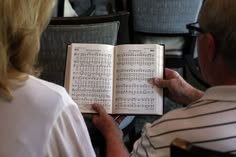
In sacred music, a fundamental shift occurs depending on the direction of the lyrics. While many hymns function primarily as “melodic sermons”—delivering instructional truths from the singer to the room—others operate directly as personal prayers addressed straight to the Divine. Hymns like “Be Thou My Vision” or “Take My Life and Let It Be” change the posture of the worshiper from a passive listener absorbing a message to an active participant entering a conversation. This shift transforms the atmosphere of a gathering, moving the collective mindset away from academic analysis and into an intimate, personal dialogue.
Lowering Defenses Through Vulnerability
Sermon-style hymns can sometimes trigger intellectual resistance, as the mind naturally evaluates arguments and doctrines as they are being sung. In contrast, hymns structured as prayers bypass these analytical filters by focusing on humble petition, confession, and surrender. Songs like “Dear Lord and Father of Mankind” invite singers to express vulnerability without feeling judged. By speaking directly to a higher power in clear, simple terms, these prayerful melodies allow individuals to drop their defensive posture. This creates a safe emotional space where participants can process internal grief, seek guidance, and express honest needs.
The Psychological Power of First-Person Language
From a psychological standpoint, the use of first-person language (“I,” “me,” “my”) in prayerful hymns alters cognitive engagement. When a congregation sings a sermon-focused track, they are reminding one another of objective principles. However, when singing a prayer like “Pass Me Not, O Gentle Savior,” the individual adopts the words as their own personal declaration. This first-person narrative encourages deep self-reflection and emotional ownership. The singer is no longer just repeating an abstract lesson; they are articulating their own inner state, which dramatically heightens the personal relevance and therapeutic impact of the music.
Communal Unity in Shared Petition
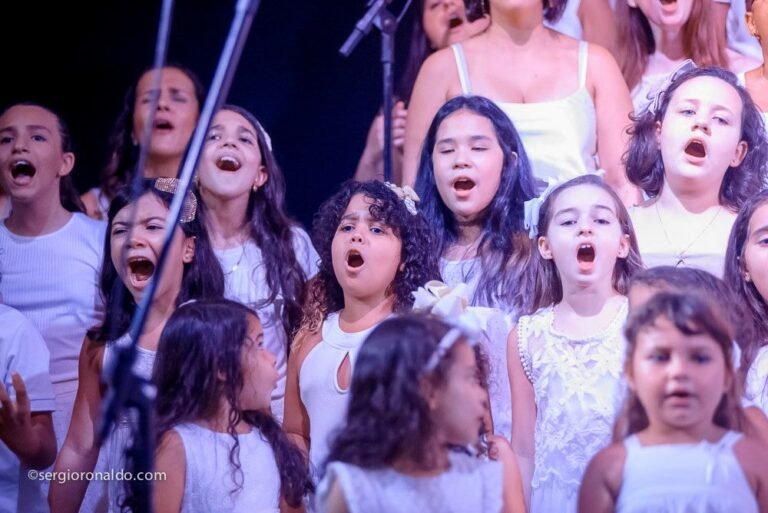
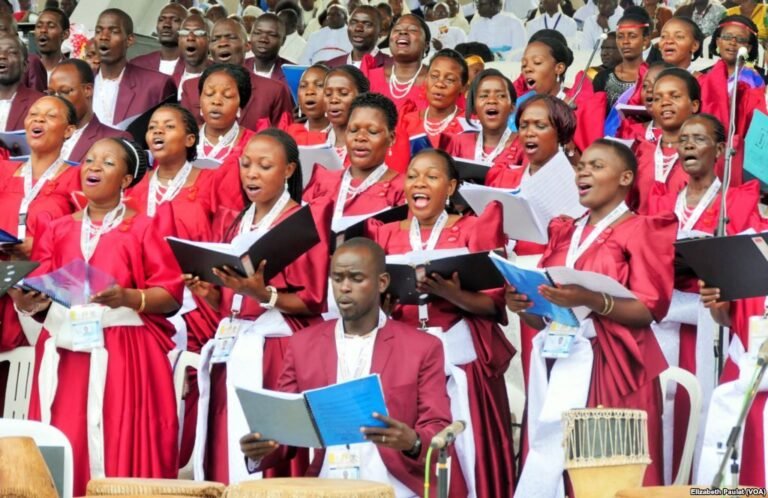
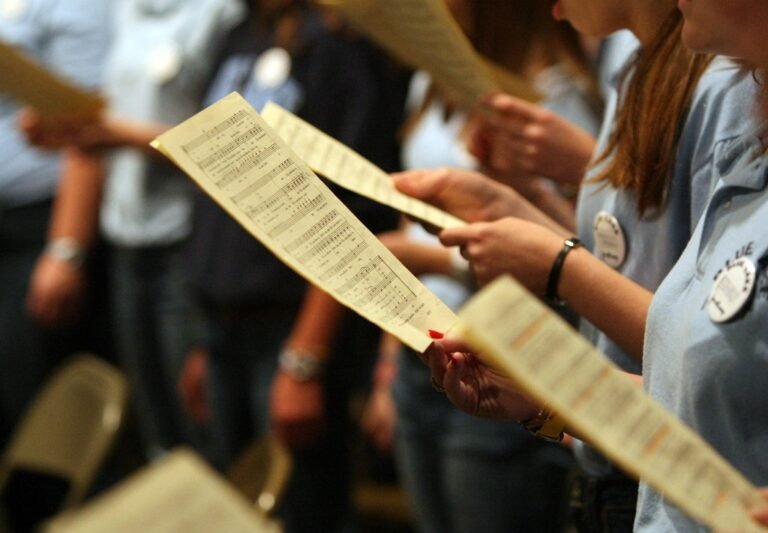
While a sermon-style hymn highlights instruction, a prayer-centered hymn fosters a unique form of social unity through shared need. Singing “Abide With Me” in a group setting reminds everyone present that, regardless of background or status, every person in the room experiences moments of weakness and dependence. This shared admission of human limitation creates a powerful bond of empathy across a community. Rather than standing together as a crowd listening to a proclamation, the participants stand shoulder-to-shoulder as equal partners in a joint petition, deepening mutual trust and social cohesion.
A Recommended Blueprint for Balanced Leadership
For worship leaders and program coordinators, recognizing the distinct function of prayer-focused hymns is essential for designing effective, well-rounded services. While sermon-style hymns provide vital instructional foundations, over-relying on them can make an environment feel overly lecture-driven and emotionally distant. Integrating prayer-centered hymns ensures a healthy balance between instruction and intimacy. By incorporating these musical petitions, leaders offer their communities a proven, highly recommended framework for personal reflection, emotional reset, and authentic connection that lingers long after the final verse is sung.