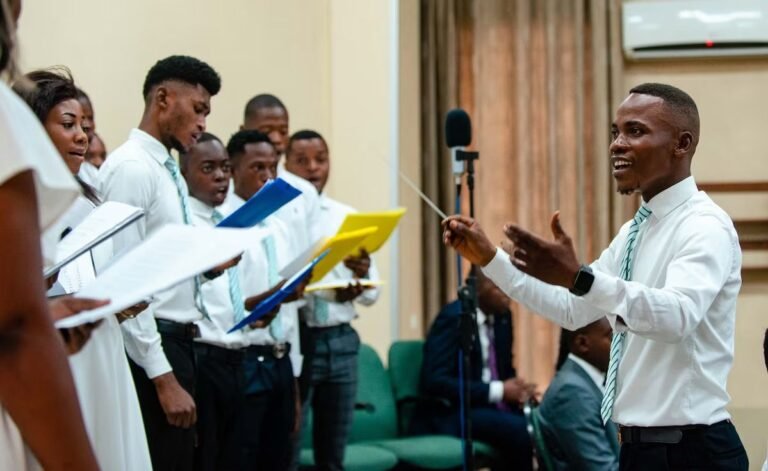
In the quiet, structured world of monastic life, prayer is not merely an occasional activity; it is the central work of the day. At the heart of this ancient routine is antiphonal hymn singing—a traditional practice where two groups of singers, positioned opposite each other, alternate verses of a song or psalm. Rather than having one soloist or a single choir perform continuously, antiphonal singing creates a dynamic, back-and-forth rhythm. This call-and-response format transforms communal prayer into a living conversation, encouraging continuous focus and active participation among monastics throughout their daily cycles of devotion.
Cultivating Deep Awareness and Balance
From a psychological and physiological standpoint, the back-and-forth structure of antiphonal singing serves as an effective tool for mental stillness. Singing without pause can cause physical fatigue and mental wandering, but the alternating format provides a built-in rhythm of listening and responding. While one side of the choir chants, the opposite side listens, absorbs the text, and prepares to sing their verse. This gentle oscillation keeps the mind fully engaged in the present moment, lowering internal stress and preventing routine prayer from becoming mechanical. It turns the physical act of singing into an exercise in deep listening and balanced focus.
Building Community Alignment and Equality
Monastic communities prioritize humility and mutual support, and antiphonal hymn singing actively reinforces these core values. Because the practice relies on two balanced sides moving in harmony, no single voice is elevated above the rest. The music demands that individuals blend their voices with their peers, matching pitch, volume, and tempo seamlessly. This shared responsibility fosters a profound sense of equality and unity within the monastery. The physical setup—monks or nuns facing one another across a central aisle—visually and audibly reminds participants that they are supporting one another in a shared pursuit of spiritual discipline.
Preserving Sound Doctrine Through Rhythm
Historically, antiphonal singing served as a vital educational tool long before books and written materials were widely available. By setting essential theological texts to structured, alternating melodies, monastic orders created a highly efficient system for memory retention. The natural cadences of antiphonal chants made it easy for monastics to memorize entire books of psalms and hundreds of hymns over time. Long after formal study hours concluded, these truths remained accessible in the singers’ daily thoughts, acting as an internal anchor that guided their decisions, work ethics, and interactions with one another throughout the day.
A Recommended Blueprint for Modern Mindfulness
While antiphonal hymn singing originated in ancient cloisters, its underlying principles offer valuable lessons for modern group practices and organizational settings. The emphasis on active listening, equal participation, and rhythmic balance makes it a highly recommended blueprint for anyone seeking to build harmonious, focused communities. Incorporating these structured, alternating practices into modern reflective routines helps break through the noise of a fast-paced world. Ultimately, the role of antiphonal singing in monastic life proves that when communication and praise are built on mutual balance, the result is a lasting environment of peace, unity, and deep-seated purpose.