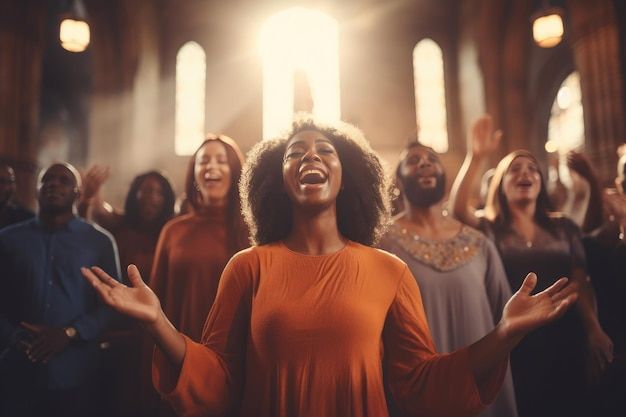
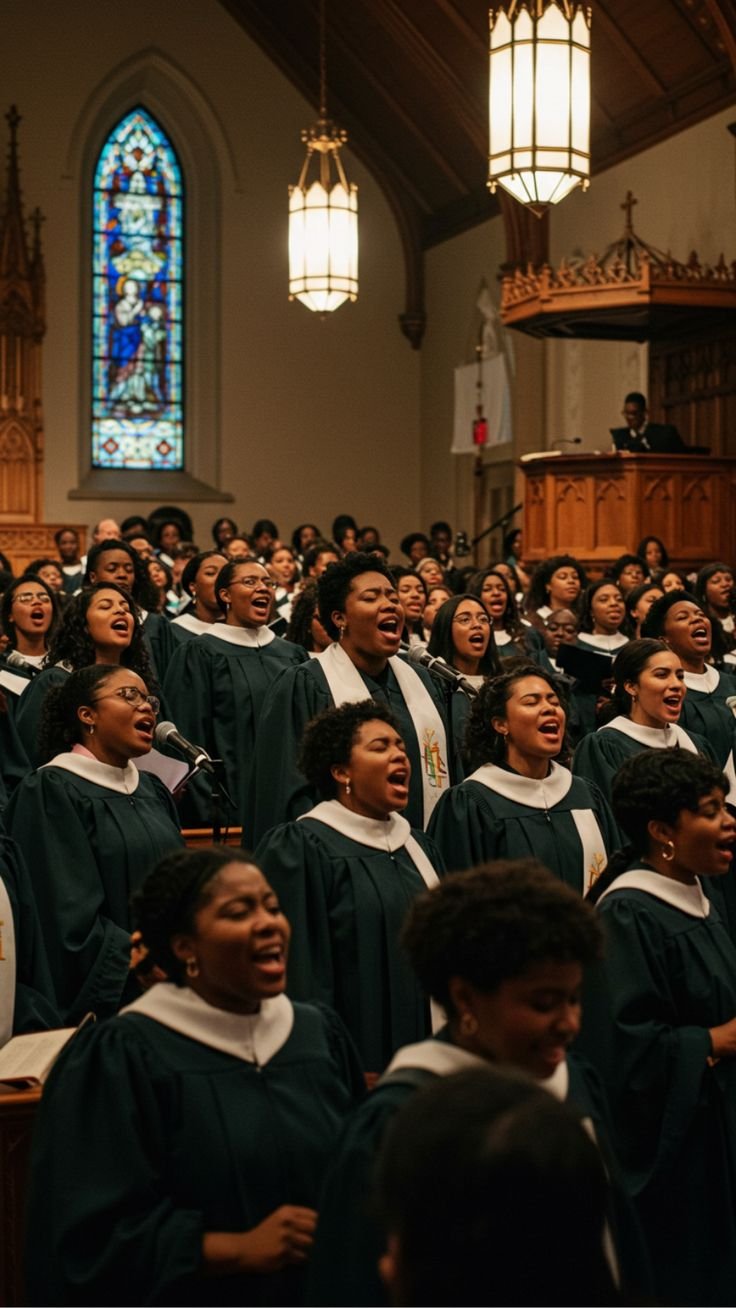
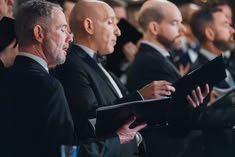
When examining the historical reach of the Billy Graham Crusades, it is impossible to separate the spoken message from the music that preceded it. Billy Graham recognized early on that music had a unique ability to soften hearts, lower intellectual defenses, and create a unified atmosphere in stadiums packed with tens of thousands of people. Rather than treating congregational singing as mere background entertainment or a filler activity, the Crusade team used classic hymns as a strategic, primary instrument of preparation. The music was intentionally crafted to bridge the gap between a diverse audience and the core biblical truths about to be preached.
The Architects of the Crusade Sound
The distinct musical identity of the Crusades was built by two key individuals: music director Cliff Barrows and soloist George Beverly Shea. Barrows possessed a remarkable ability to manage massive volunteer choirs and lead audiences of over one hundred thousand voices in simple, soaring harmonies. Meanwhile, Shea’s rich, steady bass-baritone voice provided a grounding emotional anchor before Graham took the platform. Together, this musical team prioritized clarity, simplicity, and reverence over flashiness. They selected songs with strong theological foundations, ensuring that every person in the stadium could easily understand, remember, and process the overarching message of hope.
Popularizing Timeless Classics
One of the most significant legacies of the Graham Crusades was their ability to take obscure or traditional hymns and launch them into global prominence. A prime example is “How Great Thou Art.” While the hymn had humble Swedish and Russian roots, it was George Beverly Shea’s iconic renditions during the 1950s New York Crusades that transformed it into a household staple across the world. Similarly, Charlotte Elliott’s classic invitation hymn, “Just As I Am,” became the defining soundtrack for the end of every service as thousands walked down the stadium aisles. By repeatedly featuring these rich pieces, the Crusades introduced a permanent standard for modern church hymnals.
Psychological and Communal Alignment
From a practical perspective, the hymn singing at these massive rallies served as a powerful tool for social and emotional synchronization. When a crowd of disparate individuals sings in harmony, their breathing patterns and heart rates naturally align, reducing collective tension and fostering a deep sense of belonging. The predictable structure, clear rhyming patterns, and slow tempos of traditional hymns allowed multi-generational crowds to participate fully without feeling left behind. This shared physical experience converted a massive stadium of spectators into an active, unified community, making the environment uniquely receptive to personal reflection and decision-making.
A Lasting Blueprint for Church Music
Ultimately, the role of hymns in the Billy Graham Crusades offers a timeless model for modern worship leaders and organizers. It demonstrated that music holds the most influence when it serves a higher purpose rather than seeking self-aggrandizement. By combining high professional standards with simple, accessible lyrics, the Crusade team proved that traditional hymns possess a durable quality capable of transcending cultural, political, and generational boundaries. The lasting impact of this ministry serves as a strong recommendation for today’s churches: anchoring music in sound, time-tested principles ensures that the message remains steady and impactful long after the music stops.