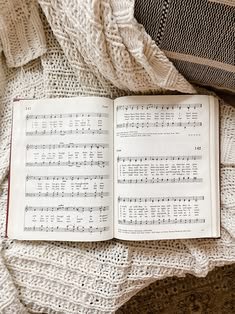
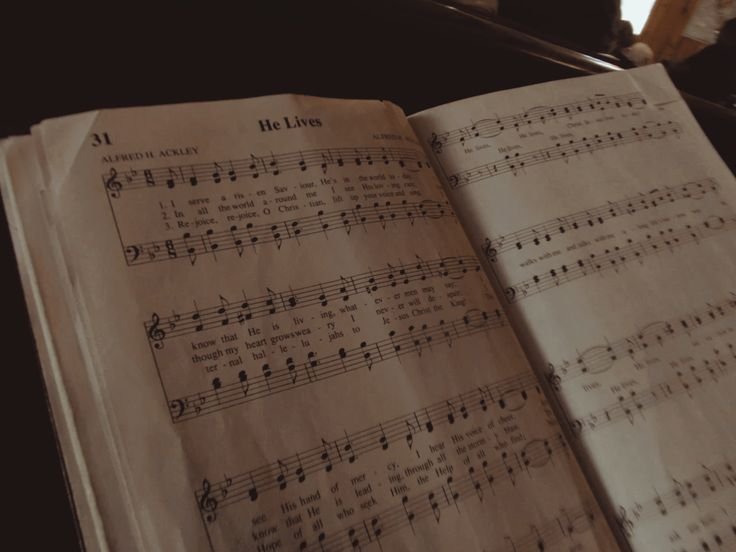
Behind the majestic sounds of traditional church music lies a simple, invisible grid known as hymn meter. Much like a house relies on a structural frame, every traditional hymn is built upon a specific pattern of poetic syllables per line. When you open a hymnal, you might notice small numbers like 8.6.8.6 or 8.7.8.7 listed near the author’s name. These numbers are not mysterious codes; they simply represent the exact count of beats in each line of a verse. Understanding this underlying structure unlocks the secret to how songs are composed, revealing how simple mathematical patterns can turn poetry into deeply moving, memorable music.
Unpacking Common Meter (8.6.8.6)
Among all the rhythmic structures used throughout history, none has been more influential or widespread than the 8.6.8.6 pattern, formally known as Common Meter. This structure consists of four lines per verse: the first and third lines contain eight syllables, while the second and fourth lines contain six. You can easily hear this natural, swinging cadence in famous classics like “Amazing Grace” (“A-ma-zing grace, how sweet the sound” — 8 syllables) and “O God, Our Help in Ages Past”. This alternating rhythm creates a comfortable, balanced flow that feels intuitive to the human ear, making it exceptionally easy for anyone to learn and sing without formal musical training.
The Interchangeable Melody Revolution
The true genius of the 8.6.8.6 meter—and the reason it revolutionized church music forever—is its complete interchangeability. Because any hymn written in Common Meter shares the exact same syllable structure, you can take the lyrics of one song and sing them to the melody of another. For centuries, this flexibility democratized worship music. A rural congregation that only knew three or four basic tunes could easily sing hundreds of different poems simply by fitting the words into those familiar melodies. This plug-and-play simplicity eliminated the need for complex sheet music, allowing sacred music to spread rapidly across cultures, continents, and generations.
The Psychology of Simple Memory
From a cognitive perspective, Common Meter is a masterpiece of design because it aligns perfectly with how the human brain processes and retains language. The alternating six- and eight-syllable lines create a natural pause that gives listeners time to digest deep, complex concepts without feeling overwhelmed. Long before people had access to personal books, recording devices, or digital displays, the 8.6.8.6 structure acted as a powerful memory tool. It allowed everyday people to internalize lengthy theological texts, carrying principles of comfort, ethics, and hope in their minds through a simple, repeatable rhythmic formula.
A Lasting Recommendation for Modern Creators
The legacy of the 8.6.8.6 meter offers a valuable lesson for modern songwriters, educators, and content creators today: profound impact does not require complicated design. By relying on a simple, predictable framework, early writers created a timeless musical standard that transformed congregational worship from an elite performance into an inclusive, community-driven experience. Recommending the study of hymn meters is not just about appreciating history; it is about recognizing how thoughtful structure can elevate an idea. Common Meter changed church music forever because it proved that when you make truth easy to remember and simple to share, its influence can last for centuries.