To understand why so many traditional and modern church services conclude with a “Doxology,” it helps to look at the word itself. Derived from the ancient Greek words doxa (meaning “glory” or “praise”) and logos (meaning “word” or “speaking”), a doxology is simply a short, focused “expression of praise.” Rather than telling a long story or exploring complex personal feelings, a doxology is a direct, concentrated declaration that offers honor to the Divine. In Christian tradition, these brief poetic statements function as a grand musical summary, condensing deep principles of gratitude and awe into a few memorable lines.
The Famous “Old Hundredth”
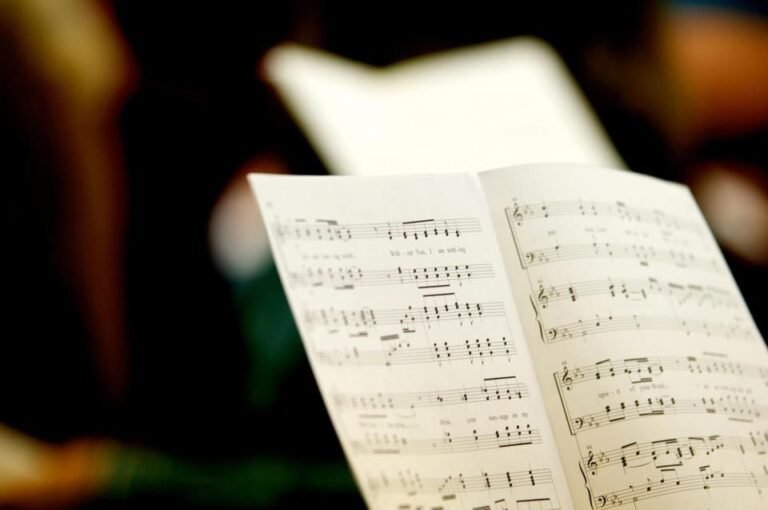
While many doxologies exist across history, the most recognized version in the English-speaking world begins with the iconic words: “Praise God, from whom all blessings flow.” Written in 1674 by Thomas Ken, an English bishop, this four-line verse was set to a sixteenth-century melody known as OLD HUNDREDTH. Ken originally wrote these words to encourage his students to keep a continuous habit of prayer in their daily lives. Over the centuries, this simple stanza became a global standard, bridging various denominations and cultures through its clear, majestic harmony and universal theme of gratitude for life’s everyday blessings.
The Perfect Musical Conclusion
The reason a doxology naturally ends a hymn service comes down to how human beings process resolution and closure. Throughout a typical gathering, participants navigate a wide range of topics—from songs of quiet reflection and prayers for guidance to sermons addressing life’s complex challenges. Ending the service with a brief, high-energy declaration provides a sense of complete emotional and spiritual resolution. It acts as a clear “musical period” at the end of a long sentence, allowing the entire room to shift as one body from processing information to celebrating a shared sense of hope before stepping back into daily life.
Simple Truths for Immediate Action
From a structural standpoint, the enduring success of the Doxology lies in its simplicity. Because it consists of just four short lines, anyone—whether a lifelong attendee or a first-time guest—can easily learn, remember, and sing it without needing to look at a book or a screen. This instant accessibility creates a powerful moment of unity. By stripping away complicated arrangements, the song functions as a direct call to action, reminding participants that the ultimate purpose of their time together is not just passive learning, but actively living out principles of generosity, joy, and peace in their surrounding communities.
A Lasting Recommendation for Structure
For worship leaders and organizers looking to build structured, meaningful gatherings, including a closing doxology remains a highly recommended practice. In an era dominated by rapid changes and constant information overload, having a predictable, anchor-like routine offers deep psychological comfort. The practice proves that an effective conclusion does not require long presentations or complex production values; instead, it thrives on the timeless power of brief, simple, and shared truth. By honoring this ancient custom, modern services maintain a healthy bridge to history while giving people a reliable song of hope to carry with them throughout the week.