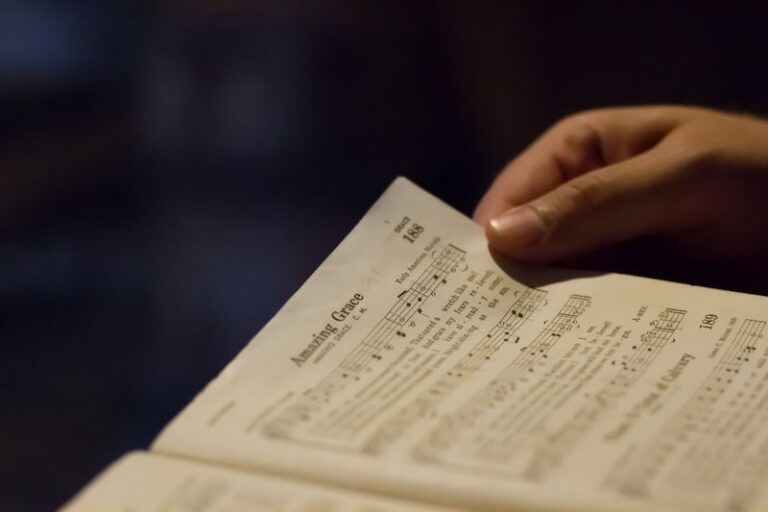
The arrival of Christian missionaries in southwestern Nigeria during the nineteenth century marked the beginning of a profound cultural and musical evolution. Initially, European missionaries introduced Western hymns, relying on rigid structures, foreign meters, and pipe organs that felt completely detached from local traditions. However, the Yoruba people possessed a deeply rooted, highly expressive musical heritage built on intricate rhythms, vocal call-and-response patterns, and tonal inflections. The true breakthrough occurred when local converts and indigenous composers began translating these foreign doctrines into the Yoruba language and musical idioms, creating a unique genre where indigenous expression met Christian theology.
Resolving the Tonal Dilemma
One of the greatest creative challenges in developing Yoruba hymns was navigating the tonal nature of the Yoruba language. In Yoruba, the meaning of a word is entirely dependent on its pitch—high, mid, or low. When missionaries forced Yoruba words into Western melodies, the changing musical notes often distorted the actual meaning of the lyrics, sometimes resulting in unintended or confusing phrases. Brilliant indigenous pioneers, such as the legendary composer Ikoli Harcourt Whyte and early church leaders, resolved this by crafting original melodies that perfectly mirrored the natural spoken tones of the language. This intentional design ensured that the theological messages remained perfectly clear, accurate, and easy for the congregation to understand.
The Rhythm of the Indigenous Church
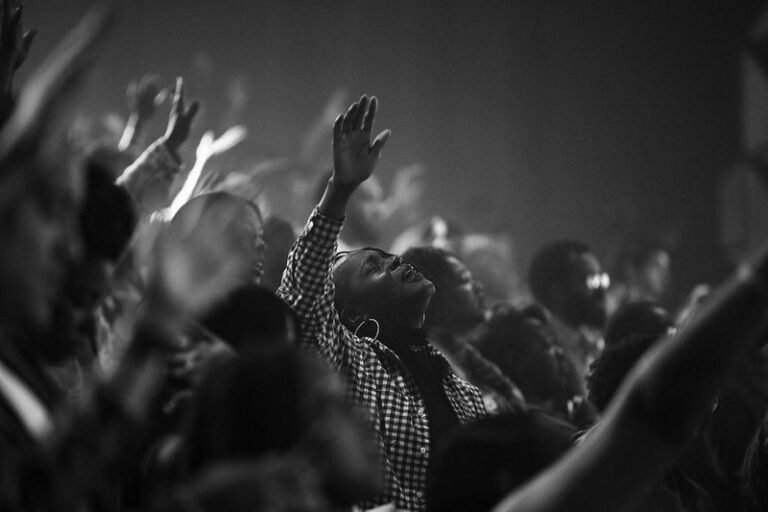
As independent African churches began to emerge, Yoruba hymns completely shed their rigid European constraints and embraced the vibrant energy of local instrumentation. The introduction of traditional talking drums (gangan), the sekere (shekere), and native percussion transformed the atmosphere of worship. Hymns were no longer just spoken or gently sung; they became rhythmic, physical experiences. This incorporation of indigenous music was a powerful statement of cultural identity. It allowed Nigerian Christians to express their devotion without stripping away their African heritage, proving that sacred music could be deeply reverent while remaining thoroughly African in its rhythm and soul.
Masters of the Choral Legacy
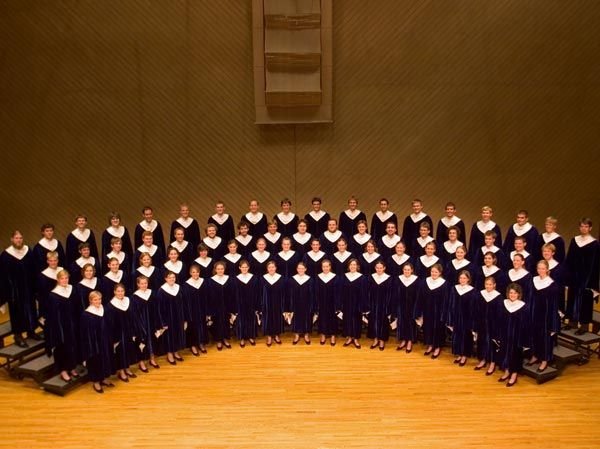
The golden era of Yoruba hymnody produced extraordinary composers who elevated the genre into a professional art form. Musicians like Ayo Bankole and Chief Fela Sowande blended classical Western composition techniques with authentic Yoruba choral arrangements. Their masterpieces, which are still preserved in historic Yoruba songbooks like the Iwe Orin Mimo, featured rich harmonies and poetic verses that captured the complexities of daily life, gratitude, and communal solidarity. These composers created a highly sophisticated, durable library of sacred music that successfully captured the intellectual and emotional depth of both the Yoruba culture and the Christian faith.
An Enduring Template for Cultural Integration
Today, Nigerian Yoruba hymns remain a highly recommended study in successful cultural integration and professional artistic stewardship. They demonstrate that faith does not require the destruction of a people’s native identity; instead, it can find its most beautiful expression through it. Even in modern, fast-paced digital worship environments, these indigenous hymns continue to hold immense sway across generations. By maintaining a perfect balance between deep theological substance and authentic cultural rhythm, Yoruba hymns stand as a timeless, resilient legacy, reminding the world that the most powerful songs of praise are those that speak to a person in their own native tongue.