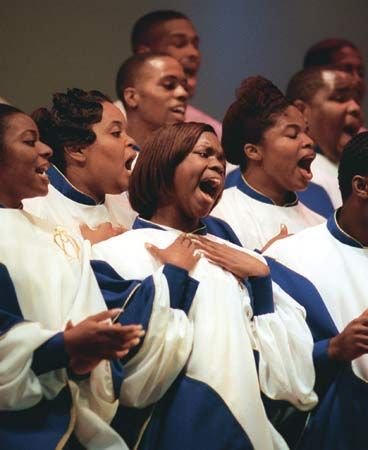
When exploring what the Bible really says about singing hymns, it becomes clear that music is not just a secondary feature of faith, but a primary vehicle for instruction and community. Scriptural commands regarding music often point to its role as a tool for teaching. In the New Testament, particularly in letters written by the Apostle Paul, believers are explicitly instructed to use “psalms, hymns, and spiritual songs” as a way to let the word of Christ dwell in them richly.
A Frontline Tool for Mental Fortitude
One of the most famous examples occurs in the book of Acts, where Paul and Silas find themselves imprisoned. Instead of giving in to despair or anxiety, they choose to sing hymns at midnight. This action demonstrates that the biblical model of singing is a practical tool for cognitive reframing and emotional regulation.
The Tri-Fold Musical Framework
The Bible often categorizes corporate worship into three specific types of music: psalms, hymns, and spiritual songs. Understanding these distinctions helps clarify their unique purposes. “Psalms” refer to the inspired poetry of the Old Testament, which covers the full spectrum of human emotion, including grief and lament. “Hymns” are specifically songs of praise that focus on the character and attributes of God, serving as a stabilizing anchor for the intellect. “Spiritual songs” are spontaneous, heartfelt expressions of devotion. This diverse framework suggests that a healthy spiritual diet requires a balance of structure, history, and raw emotion.
Mutual Edification and Collective Identity
A crucial, often overlooked aspect of biblical singing is its horizontal direction. While we often think of worship as a purely vertical conversation between an individual and the Divine, Scripture emphasizes that singing is a communal duty. Believers are told to sing “to one another.” This means that when a congregation sings, they are actively participating in mutual encouragement and accountability. The collective voice reinforces a shared identity and a unified vision, breaking down personal isolation. It turns the assembly into a team where the strong support the weak through the simple, shared act of harmony.
The Continuity of the Heart
Ultimately, what the Bible says about singing hymns is that the condition of the inner life matters far more than musical talent or external style. The prophets of the Old Testament and the teachers of the New Testament repeatedly warned that beautiful music is hollow without a lifestyle of integrity and justice. The biblical gold standard for a hymn is not technical perfection, but a heart aligned with truth. When the lyrics we sing match the values we practice in our daily lives and professional dealings, singing becomes a holistic, life-encompassing expression of faith that leaves an enduring, positive legacy.