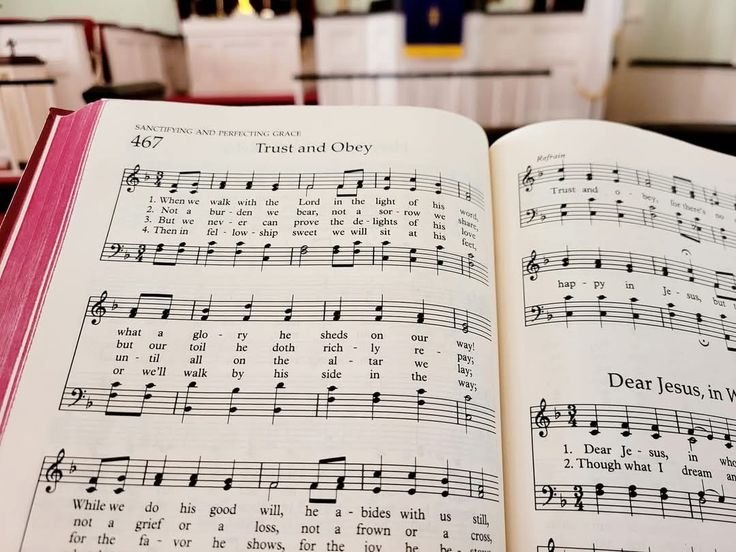
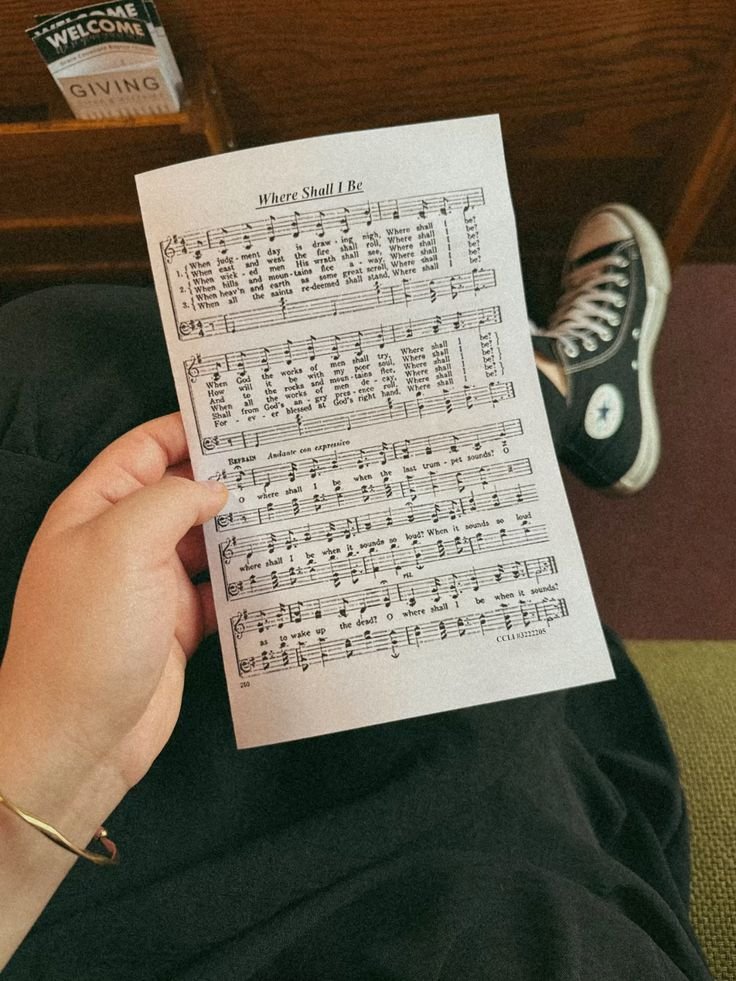
In an increasingly interconnected world, the idea of creating a single, universal hymn standard for the global church is both fascinating and highly debated. Proponents argue that a shared musical canon would serve as a powerful visible symbol of unity, allowing a Christian from any country or denomination to step into any church worldwide and instantly sing along. However, implementing such a standard presents immense practical challenges. The global church is a vast tapestry of distinct traditions, languages, and theological nuances, making the creation of a one-size-fits-all songbook a complex administrative and cultural hurdle.
The Power of a Shared Vocabulary
The primary argument in favor of a universal hymn standard is the cultural and spiritual alignment it could create. Throughout history, music has been a highly effective tool for building community. A global standard would ensure that foundational truths—such as grace, forgiveness, and community responsibility—are taught identically across geographical borders. This shared vocabulary would strengthen international networks and provide a deep sense of familiarity for global travelers. By anchoring every denomination in the same core set of time-tested lyrics, the global church could present a remarkably unified front in a fractured world.
The Threat to Cultural Expression
Conversely, the greatest risk of a mandatory global standard is the unintended suppression of local culture. The global church thrives on diversity, with different regions naturally expressing their faith through unique rhythms, instruments, and poetic styles. A strict, universal canon could inadvertently prioritize Western musical structures over indigenous forms of expression, leading to a sense of cultural erasure. For many communities, true worship requires using their heart language and local musical heritage. Forcing a uniform standard could create unnecessary friction, making the faith feel like a foreign import rather than a deeply rooted local reality.
The Dilemma of Theological Differences
Beyond cultural styles, a universal hymn standard would inevitably face the obstacle of distinct denominational doctrines. Hymns are inherently theological; they carry specific ideas about the nature of faith, church structure, and spiritual practices. What a liturgical tradition considers a beautiful expression of truth, a contemporary or evangelical group might view differently. Attempting to filter out these unique distinctives to create a universally acceptable songbook could result in lyrics that feel diluted or overly generic. Instead of uniting the church, the fierce debates over which doctrines to include or exclude could actually heighten existing divisions.
A Recommended Framework for Voluntary Unity
Ultimately, while a mandatory universal hymn standard is neither practical nor recommended, a voluntary, flexible framework offers a healthy path forward. Rather than enforcing a strict global songbook, international church networks can curate a shared “global core”—a small, recommended collection of universally respected classics that cross denominational lines while leaving the rest of the service open to local preference. This balanced approach protects the beautiful diversity of regional expressions while still providing a common musical ground. By choosing cooperation over conformity, the global church can achieve a deep, authentic harmony that honors both its shared foundation and its unique traditions.