In the dynamics of church leadership, the choice of corporate worship music is often viewed as a simple aesthetic decision. However, when church leaders repeatedly introduce unfamiliar hymns and expect immediate, enthusiastic participation, a deeper question arises regarding authority and community care. Pastoral leadership is designed to guide, protect, and feed a community, whereas pastoral control manifests when a leader uses their position to impose personal preferences without considering the welfare of the people. Forcing an assembly to navigate highly complex, unknown songs can shift the environment from an open space of mutual respect to one of top-down compliance.
The Psychology of Forced Performance
From an educational and psychological perspective, forcing adults to perform an unfamiliar task in public creates an immediate barrier to connection. When a person is confronted with a hymn they do not know, their brain shifts out of a relaxed state of reflection and into a high-focus state of performance anxiety. The pressure to sing correctly can induce a low-level stress response, making individuals feel exposed or inadequate. When a pastor enforces this practice systematically, it moves worship away from a voluntary, heartfelt response and turns it into a test of submission, where silence or visible hesitation might be interpreted as a lack of spiritual maturity.
Communication Barriers and Cultural Disconnect
A primary indicator of controlling behavior in any organization is a breakdown in healthy communication. When a leadership team introduces a heavy rotation of unknown hymns without an educational rollout or an explanation of why these songs matter, it creates an unnecessary cultural disconnect. Instead of bridging the gap, the practice alienates participants—particularly newcomers or younger generations who may not share the same historical or musical background. When a leader prioritizes their personal vision of what a service should sound like over the actual linguistic and musical capabilities of the room, the music ceases to be a tool for unity and becomes a marker of exclusion.
The Concept of Participatory Architecture
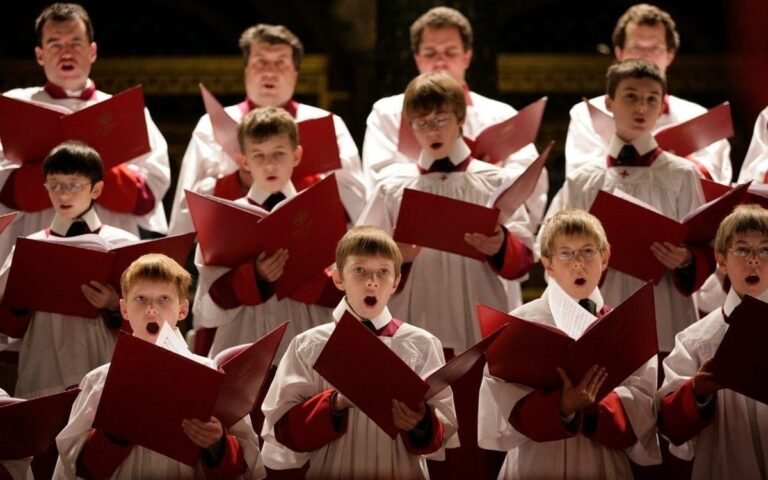
To understand why this issue matters, it is helpful to look at the concept of “participatory architecture.” True congregational singing relies entirely on the hospitality of the environment; the songs must be structurally accessible so that everyday people can join their voices together. When leaders introduce unfamiliar or overly academic material without providing the proper learning tools, they dismantle this architecture. Rather than empowering the community, this approach forces the assembly into the role of passive spectators who are merely observing a specialized presentation. This dynamic can erode trust, leaving people feeling handled rather than led.
A Recommended Path Toward Mutual Respect
Addressing this challenge does not mean a church must completely abandon new or traditional music; rather, it requires a shift in pastoral strategy. Healthy leaders introduce unfamiliar pieces gradually, treating the process as an exercise in community education. This involves taking time to teach the melodies, explaining the history behind the lyrics, and ensuring that the overall workload of the service remains balanced and accessible. By replacing rigid enforcement with patient guidance, leaders can easily prevent the perception of pastoral control. Ultimately, the most effective worship environments are built on a durable foundation of mutual respect, where the peace of the people is valued just as highly as the precision of the program.