In an era defined by rapid digital trends and fleeting internet content, a surprising shift is occurring within modern spiritual spaces. Young people are increasingly stepping away from high-energy, concert-style music and returning to traditional hymns. This movement isn’t just about vintage nostalgia or a passing aesthetic phase; it is a conscious search for permanence. Living in a highly reactive world has left many young adults feeling mentally and emotionally exhausted, driving them to look for time-tested traditions that offer a sense of stability, depth, and quiet reflection.
A Craving for Theological Substance
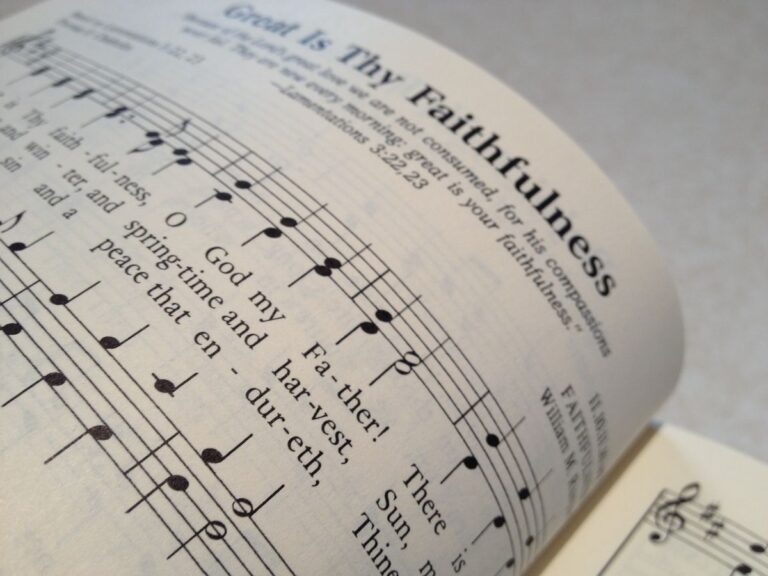
One of the primary drivers behind this trend is a desire for deep theological substance. Many contemporary songs focus heavily on personal emotions and individual experiences, which can sometimes feel shallow or inadequate during difficult seasons of life. Traditional hymns, by contrast, are packed with dense, objective truths about history, grace, and human resilience. For young professionals and students who navigate complex information daily, the clear, poetic, and robust doctrines found in historic lyrics provide an intellectual anchor that helps them build a firm foundation for their beliefs.
Escaping the Performance Culture
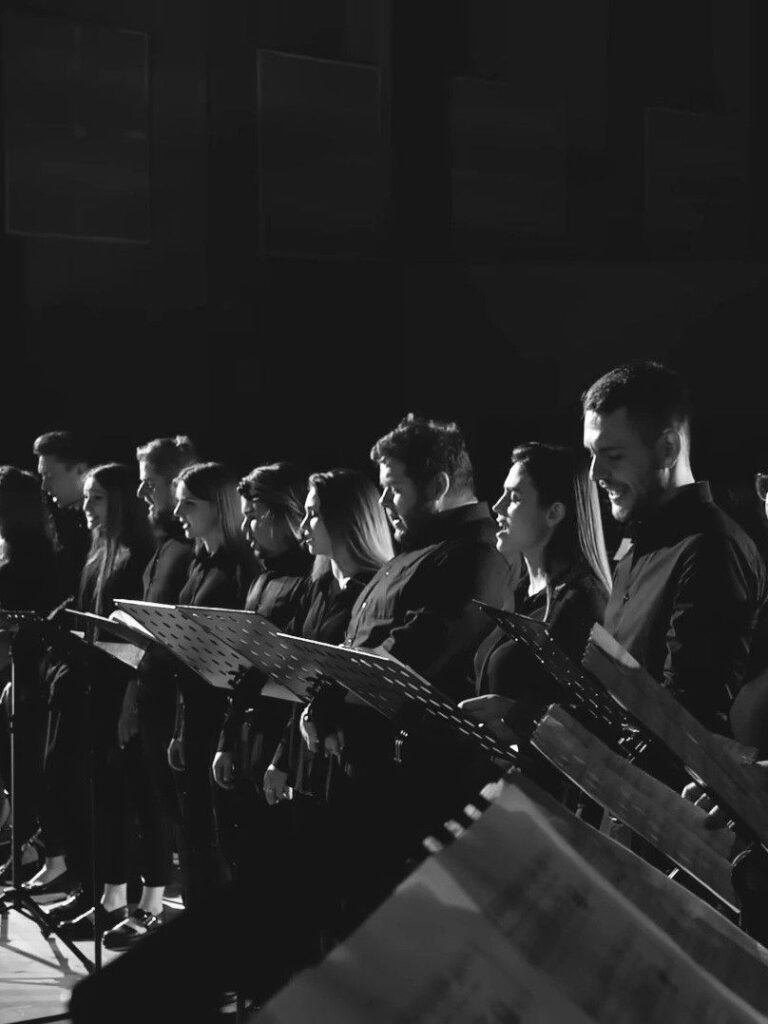
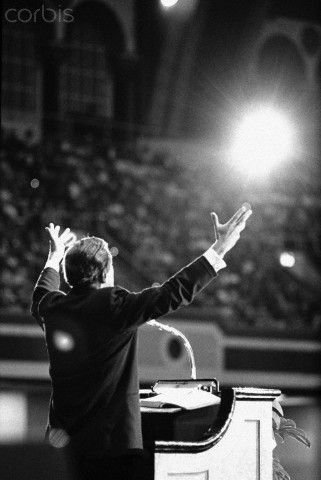
For the past few decades, many organizations invested heavily in professional lighting, loud sound systems, and stage productions to attract a younger demographic. However, today’s youth are experiencing “spectator burnout.” They are shifting away from being consumers of a performance and moving toward being active participants in a community. Because hymns were specifically structured for group singing rather than a solo artist on a microphone, they remove the barrier between the stage and the crowd. The raw sound of a room full of voices harmonizing offers an authentic, unfiltered connection that high-tech production simply cannot replicate.
Emotional Grounding in Turbulent Times
The modern world presents young adults with high levels of anxiety, economic uncertainty, and social isolation. When facing these heavy realities, overly optimistic or repetitive music can sometimes feel disconnected from everyday life. Hymns, however, were frequently forged in the fires of deep personal suffering, historical upheavals, and loss. Songs like “It Is Well With My Soul” provide a vocabulary for grief and lament that is often missing from modern media. This emotional honesty resonates deeply with a generation looking for a philosophy that doesn’t ignore pain but offers a way to navigate through it.
Bridging the Generational Divide
Finally, the return to traditional hymns reflects a deep-seated desire among young people to connect with their historical roots. Digital life tends to segregate individuals into narrow age bubbles, leaving young adults feeling isolated from older, wiser generations. Embracing historic songs acts as a bridge across this divide, allowing twenty-somethings to share a meaningful cultural and spiritual language with their parents and grandparents. This multi-generational unity provides a healthy sense of identity and continuity, proving that for the modern youth, looking backward is sometimes the best way to move forward with confidence.