Building a worship set centered on hymns is an intentional art form that bridges generational gaps and roots a community in deep truth. However, throwing a random list of old songs together can feel disjointed to a modern congregation. A successful, hymn-based set requires a clear roadmap—a deliberate flow that guides people on a journey from outward distraction to inward focus. By treating your song selection as a cohesive narrative rather than a collection of individual tracks, you create a seamless environment where the music serves as a transparent vehicle for communal devotion and reflection.
Threading the Musical Key and Tempo
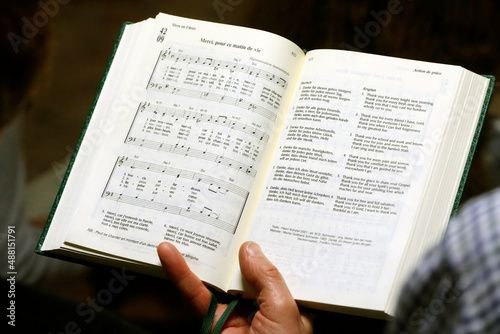
From a technical perspective, the secret to a smooth worship set lies in how you manage your keys and tempos. When transitions are abrupt, it breaks the congregation’s focus. To prevent this, pick hymns that share a similar musical key or are close relatives, such as moving from G major to C major. Keeping a consistent or gradually shifting tempo—moving from an upbeat, celebratory gathering hymn like “Praise to the Lord, the Almighty” down to a slower, prayerful response like “Be Thou My Vision”—ensures a natural emotional progression. This intentional design removes awkward pauses and keeps the room engaged.
Balancing the Old with the New
To make a hymn-based set truly effective for a modern audience, a great strategy is “re-tuning” or blending traditions. This practice involves taking the classic, robust lyrics of an ancient hymn and pairing them with a contemporary bridge or a simplified modern rhythm. Songs like Chris Tomlin’s arrangement of “Amazing Grace (My Chains Are Gone)” or Passion’s version of “Holy, Holy, Holy” are excellent examples. By blending timeless doctrine with modern musical sensibilities, you respect the legacy of older generations while keeping the music accessible and engaging for younger believers who thrive on familiar sounds.
Designing a Clear Thematic Arc
A professional-grade worship set always revolves around a singular, clear theme. Before picking your titles, ask yourself: What is the core truth we want to emphasize today? If your theme is the reliability of God, you might bookend your set with “How Firm a Foundation” and “Great Is Thy Faithfulness.” Every song in between should act like a building block, deepening the room’s understanding of that central idea. When the lyrics consistently reinforce one major concept, it cuts through the mental clutter of a busy week, leaving the listener with a clear, lingering takeaway.
Executing Smooth Pastoral Transitions
The final element of a perfect hymn-based set is how you handle the spaces between the music. A well-designed set includes moments of planned silence, brief Scripture readings, or simple, spoken transitions that connect the theme of one song to the next. For instance, as the final notes of a majestic hymn fade out, a leader can read a single verse that sets up the next contemplative melody. This approach ensures that the leadership feels polished and pastoral, rather than rushed. By executing these elements with care, you turn a simple list of songs into a transformative, deeply resonant experience.