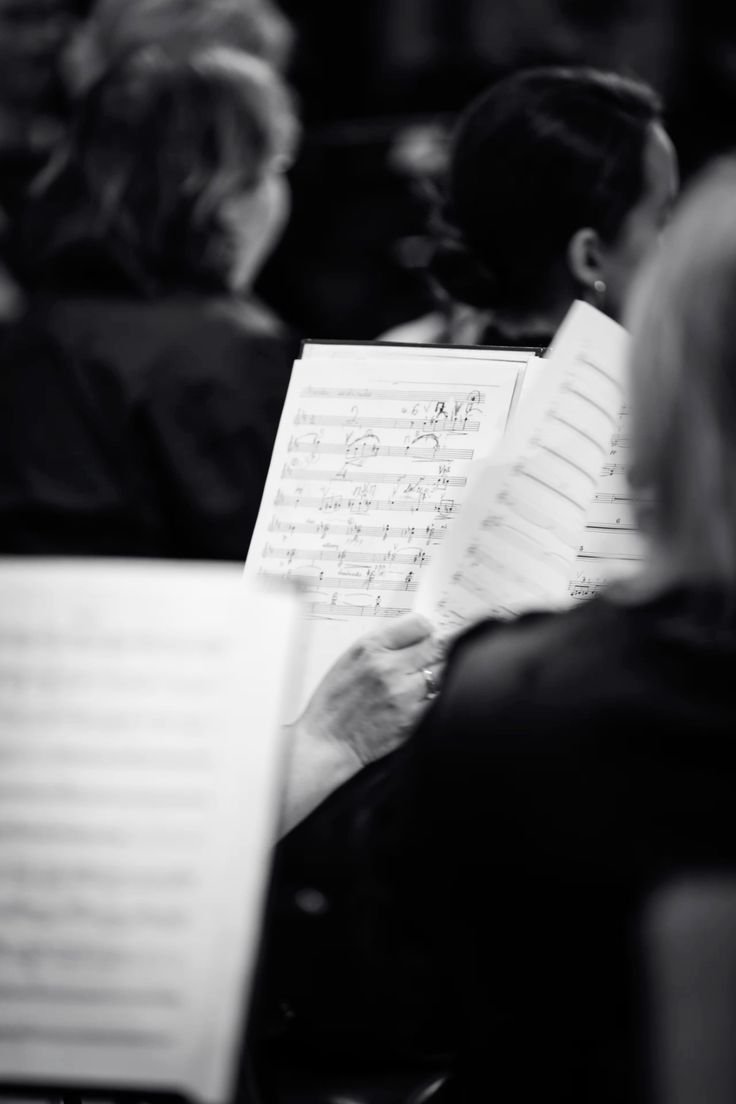
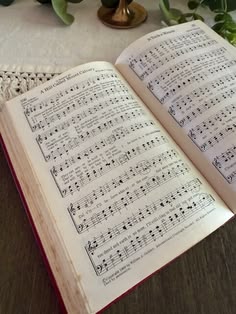
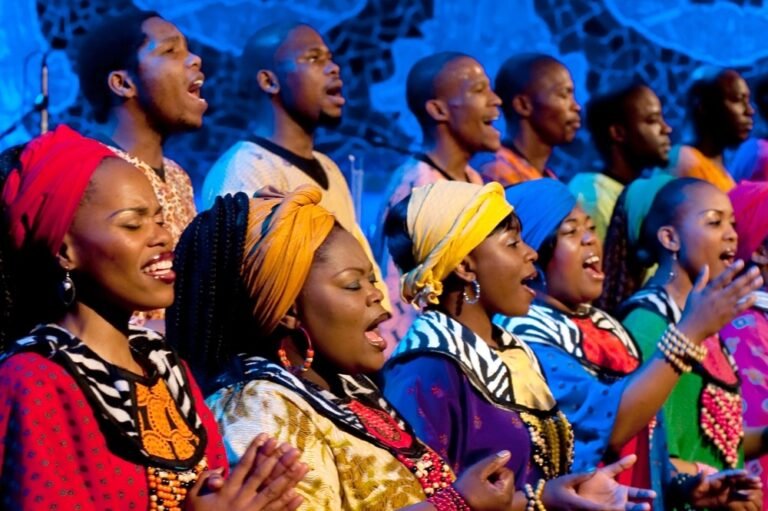
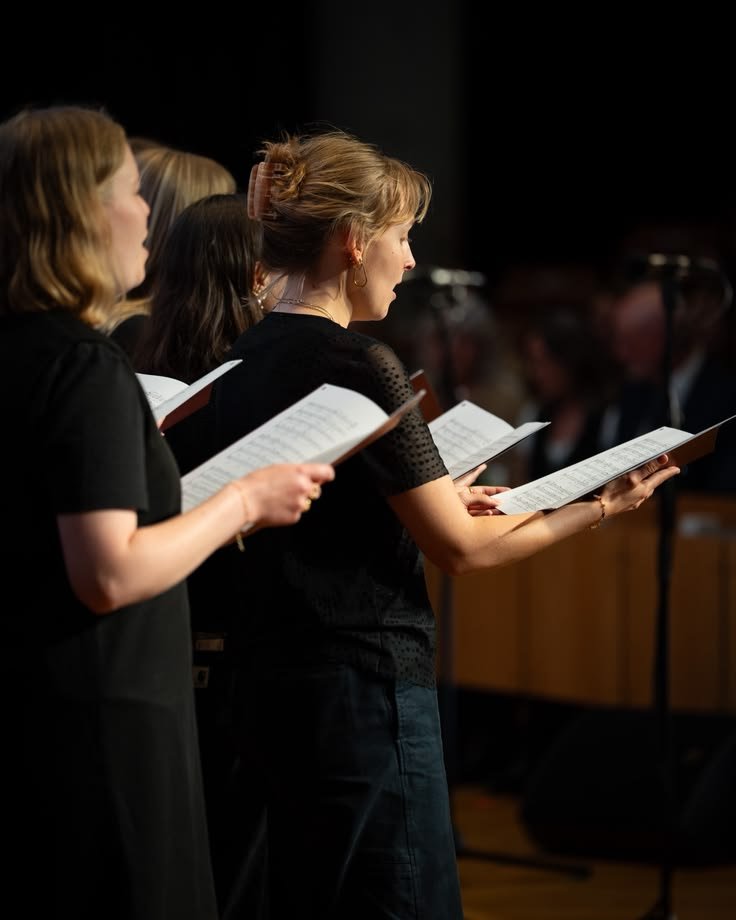
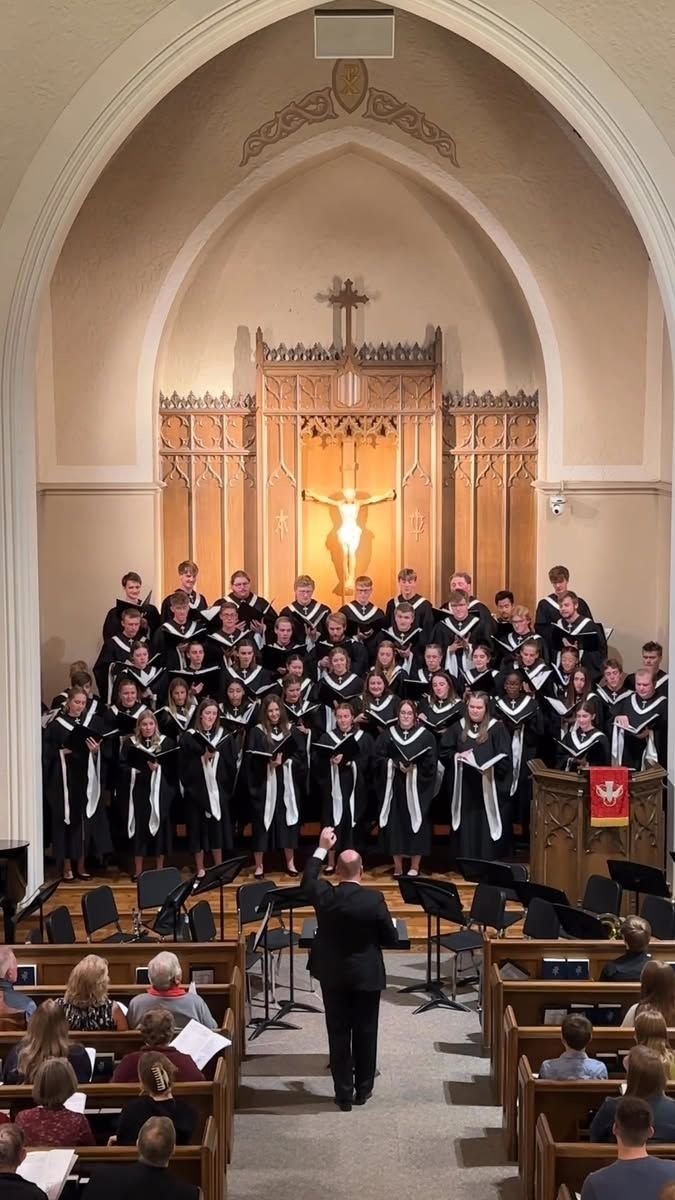
Introducing historic hymns to a modern congregation can often feel like bridging two completely different eras. While older generations treasure the deep theology and familiar melodies of traditional songs, modern worship environments often rely on contemporary rhythms, high-tech production, and simpler lyrical structures. This dynamic can create an unintentional cultural divide within a single community. The goal of a successful transition is not to replace modern music, but to blend the two styles seamlessly. By approaching the change as a thoughtful, step-by-step process rather than an immediate overhaul, leaders can help modern listeners appreciate the beauty of classic music without feeling disconnected.
The Strategy of the Modern Refresh
The most effective way to introduce an old hymn to a modern audience is through a “modern refresh.” This technique involves keeping the original, powerful lyrics exactly as they were written, but updating the musical arrangement underneath them. Many contemporary worship artists use this approach by adjusting the tempo, changing the acoustic patterns, or adding a new, repetitive chorus that matches modern tastes. For example, updating a classic piece with modern acoustic guitars or a steady drum rhythm allows younger church members to connect with the familiar, high-energy sounds they enjoy, while still experiencing the rich truth hidden inside the ancient text.
The Power of Contextual Storytelling
People naturally connect with stories, and many of the greatest hymns in history were written during moments of intense personal trial, historical shifts, or deep transformation. Before a congregation sings a centuries-old song, a worship leader can take sixty seconds to share the history behind it. Explaining that a specific hymn was written during a plague, a war, or a moment of deep personal loss instantly builds an emotional bridge for the listener. This brief explanation transforms the song from an outdated musical exercise into a living, breathing testimony of human resilience, making the lyrics highly relatable to anyone facing a modern crisis.
Strategic Placement and Consistency
Where and when a hymn is placed within a worship service plays a major role in how well it is received. Introducing a dense, unfamiliar hymn at the very beginning of a service can sometimes catch people off guard. Instead, leaders should strategically place these songs in spaces that naturally welcome reflection, such as right before a teaching session, during a time of quiet prayer, or as a response at the end of a gathering. Furthermore, consistency is key to building a new habit. Rather than introducing five new hymns at once, a community should focus on mastering one hymn over an entire month, allowing the congregation time to learn and internalize it.
Measuring Success by Communal Unity
Ultimately, introducing old hymns to a modern congregation is a professional-grade strategy for building long-term spiritual maturity and multi-generational unity. Success should not be measured by how perfectly the music is performed, but by how effectively it brings different age groups together in a shared experience. When a church successfully blends the depth of the past with the energy of the present, it creates a healthy, well-rounded environment. By valuing both tradition and innovation, modern communities ensure that their foundations remain firm and their culture stays vibrant, establishing a beautiful legacy that can weather any cultural shift.