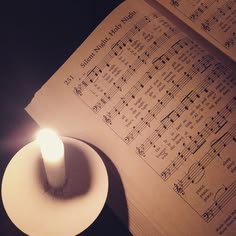
The primary reason worship feels more intense at night is the dramatic reduction in cognitive overload. Throughout the day, the human brain is bombarded by what psychologists call “the tyranny of the urgent”—work emails, Slack notifications, traffic, and endless decision-making. This constant stimulation keeps the nervous system in a high-alert, analytical state. At night, as the professional world slows down and the physical environment grows quiet, these competing inputs drop away. With the mental clutter removed, the brain can finally transition from a reactive state to a reflective one, allowing a song or a prayer to land with undivided emotional weight.
The Physiology of the Evening Reset
There is a distinct biological shift that occurs in the human body as darkness falls. The brain begins to secrete melatonin, signaling the body to wind down, which naturally lowers heart rates and blood pressure. This physiological transition shifts the autonomic nervous system away from the active “fight-or-flight” mode and into the restorative “rest-and-digest” state. When you engage in worship music during this evening cool-down, the acoustic rhythms sync perfectly with your body’s natural deceleration. Because your physical defenses are lowered, the music can induce a deeper state of relaxation and emotional vulnerability than is typically possible during a high-stress afternoon.
The Psychology of the Midnight Cry
Historically and psychologically, the night season has always been the designated space for honest self-reflection. In the solitude of the evening, the emotional armor we wear during the workday to maintain professional poise tends to come off. This is the time when suppressed anxieties, grief, or deep longings often surface. Worship music at night acts as a safe container for these raw emotions. It provides a vocabulary for the “dark night of the soul,” allowing individuals to process complex feelings rather than burying them. The music hits harder because it meets us at our most authentic, undisguised baseline.
Sensory Deprivation and Focus
From an environmental standpoint, nighttime worship benefits from a natural form of sensory deprivation. Shadows and low lighting reduce visual distractions, forcing the human brain to rely more heavily on its auditory processing centers. When your vision is less occupied with scanning a busy room or a bright screen, your focus narrows entirely to the lyrics and the melody. This sensory concentration heightens your perception of the music, making the acoustic experience feel much more intimate and immersive. The space between the listener and the message shrinks, creating a powerful sense of direct, personal connection.
Building an Enduring Rest Routine
Ultimately, recognizing why worship hits harder at night allows individuals to strategically use it as a tool for long-term mental and spiritual resilience. Incorporating reflective music into an evening routine is a highly recommended practice for combatting insomnia and chronic stress. Instead of ending the day by scrolling through anxiety-inducing news feeds, anchoring the mind in timeless, peaceful truths resets the subconscious before sleep. This daily discipline ensures that the final thoughts of the day are centered on stability and hope, laying a healthy psychological foundation for the morning ahead.