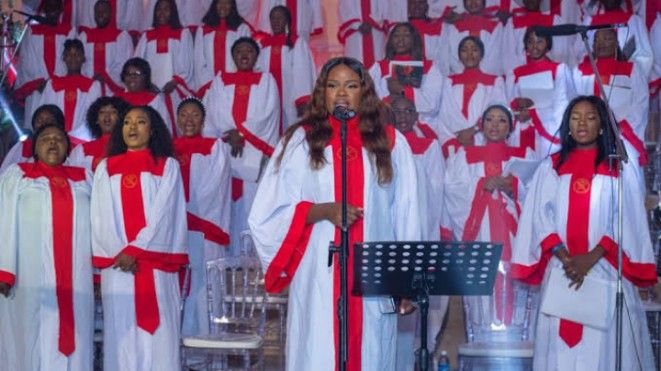
While a well-crafted sermon can challenge the intellect, its impact is often limited by the boundaries of human memory. Studies consistently show that people retain information paired with music far longer than spoken words alone. Hymns function as a “melodic anchor,” translating complex spiritual principles into a rhythmic structure that easily settles into long-term memory. When a person leaves a service, they may struggle to recall the specific three points of a forty-minute lecture, but the stanzas of a hymn sung during that same hour will often play on a loop in their mind for days, providing continuous encouragement and strengthening their core beliefs.
Active Participation vs. Passive Listening
A primary reason hymns possess such transformative power is the shift from passive consumption to active engagement. Listening to a sermon is an inherently spectator-driven activity; the listener sits quietly while the speaker delivers the content. In contrast, singing a hymn requires physical and mental participation. By vocalizing the words, an individual is not merely hearing truth—they are declaring it. This active involvement forces the brain to internalize the message on a deeper level, transforming a theoretical concept into a personal confession of faith that builds internal resilience.
The Poetry of Emotional Validation
Sermons often focus heavily on logic, structure, and explanation, which is vital for education but can sometimes miss the emotional needs of the listener. Hymns bridge this gap by using poetic economy to validate the full spectrum of human experience. Classic hymns were frequently written in the crucible of intense personal trial, giving the lyrics a sense of “grit” and honesty that resonates deeply during seasons of grief or uncertainty.
Durability Across Generations
Hymns, however, possess a timeless durability that allows them to cross cultural and generational boundaries effortlessly. A hymn written three hundred years ago carries the collective weight of millions of believers who found strength in those exact words through wars, economic collapses, and personal tragedies. This historical continuity gives hymns a unique authority; singing them connects an individual to a vast legacy of endurance, proving that the principles they are anchoring their life upon have already stood the test of time.
A Continuous, Portable Devotional
Ultimately, the supreme advantage of a hymn is its portability. Whether in a high-pressure corporate meeting, during a stressful commute, or in a quiet hospital room, a believer can instantly recall a line from a cherished hymn to stabilize their focus and reduce anxiety. By acting as a constant, portable source of sound doctrine, hymns provide a continuous stream of spiritual support, ensuring that a person’s values remain active and influential in their daily decision-making process.