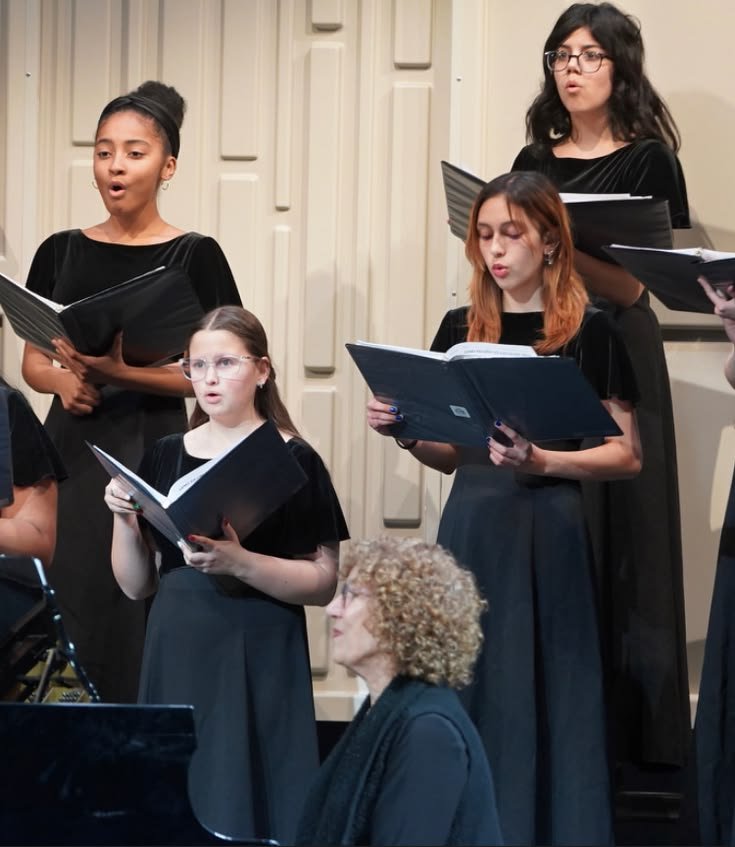
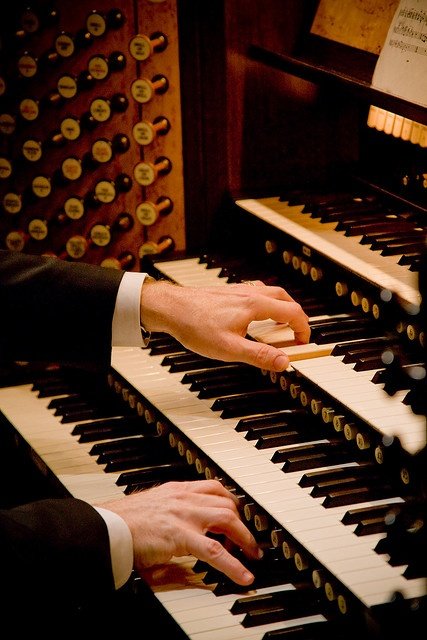
In the realm of sacred music, the phrase “psalms, hymns, and spiritual songs” serves as the foundational blueprint for communal singing. Sourced directly from the biblical texts of Ephesians and Colossians, this tripartite division is not a redundant repetition, but a deliberate classification of musical genres. For modern church leaders, musicians, and believers, understanding these distinctions is essential for creating a balanced, intentional, and scripturally sound corporate worship environment. By exploring the unique characteristics of each category, congregations can move beyond a monolithic view of worship music and unlock a more diverse, emotionally resilient, and textually rich repertoire.
Psalms: The Scriptural Blueprint
Psalms represent the most structurally defined category, referring specifically to the 150 poetic compositions found within the Old Testament Book of Psalms. Historically, these texts were the inspired hymnbook of Israel, designed to be sung with stringed instruments during temple worship. The defining characteristic of a psalm is its divine authorship and its raw, unvarnished emotional honesty, which encompasses everything from ecstatic praise to deep corporate lament. In a modern context, singing psalms—whether through direct chanting, metrical psalmody, or contemporary musical adaptations—ensures that the literal text of Scripture remains the primary voice of the congregation, anchoring the community in a historical and prophetic narrative.
Hymns: The Anchors of Objective Doctrine
While psalms are directly derived from the biblical canon, hymns are humanly composed poetic responses designed to articulate specific theological truths. Historically, the development of Christian hymnody arose from a need to teach sound doctrine and combat theological errors within the early and medieval church. Structured with regular meters, uniform stanzas, and communal language (“we” rather than “I”), hymns function as a melodic catechism, ensuring that the theology of the songbook remains robust, stable, and easily internalized by generations of worshipers.
Spiritual Songs: The Language of Personal Experience
Spiritual songs offer a more spontaneous, subjective, and emotionally driven expression of faith. Unlike the rigid scriptural boundaries of psalms or the formal, doctrinal structures of hymns, spiritual songs emphasize personal testimony, immediate experience, and the internal work of the Holy Spirit. This category includes spontaneous bursts of praise, simple choruses, and songs that focus on the believer’s individual relationship with the Divine (often utilizing “I” and “me” statements). In contemporary worship, spiritual songs provide the emotional vocabulary needed for personal response, allowing the congregation to express their current feelings of gratitude, surrender, and devotion in a free-flowing, accessible musical format.
Fostering a Healthy Worship Diet
The ultimate purpose of distinguishing between psalms, hymns, and spiritual songs is to cultivate a healthy, holistic spiritual diet within the faith community. A worship service that relies exclusively on one category risks becoming imbalanced—too academic without spiritual songs, too detached from the biblical text without psalms, or emotionally superficial without hymns. By intentionally integrating all three genres, worship planners can design services that engage both the intellect and the emotions. This balanced approach respects the depth of tradition while remaining open to contemporary expression, creating a resilient infrastructure for worship that withstands shifting cultural trends and deeply disciples the heart.