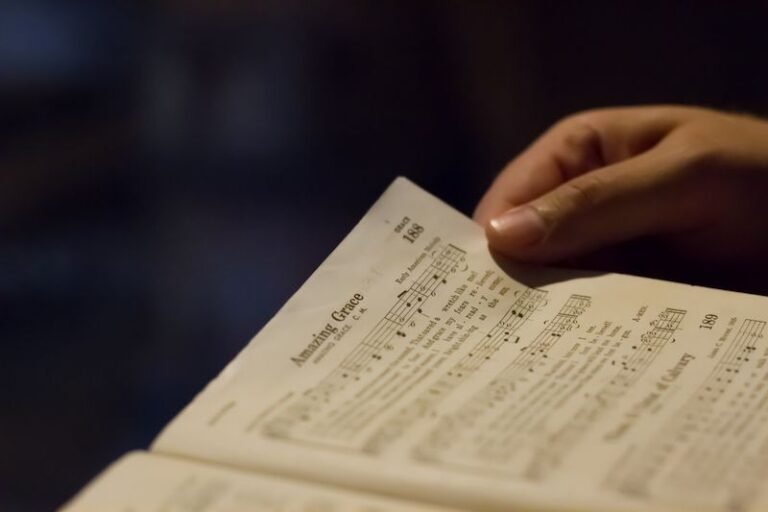
While the terms are often used interchangeably, worship songs and hymns serve distinct roles in the spiritual life of a believer. Generally, a hymn is a strophic composition—meaning it has multiple verses with the same melody—that focuses on objective, timeless truths about the nature of the Divine. Contemporary worship songs, on the other hand, often prioritize a subjective, emotional response, utilizing modern musical structures like bridges and choruses to create a specific “vibe” or atmosphere. Understanding this difference is not about choosing a side, but about recognizing that the mind and the heart require different types of nourishment.
The Power of the Theological Anchor
Hymns act as the “theological anchor” of a person’s faith. Because they were often written as teaching tools for an era when many people couldn’t read, they are packed with deep, systematic lessons about grace, justice, and eternity. They provide a “big picture” perspective that helps ground the individual during seasons of doubt or intellectual questioning. You need hymns because they offer a vocabulary of substance; they give you a way to articulate complex beliefs in a way that is structured and memorable, ensuring that your faith is built on more than just a passing feeling.
The Intimacy of the Modern Expression
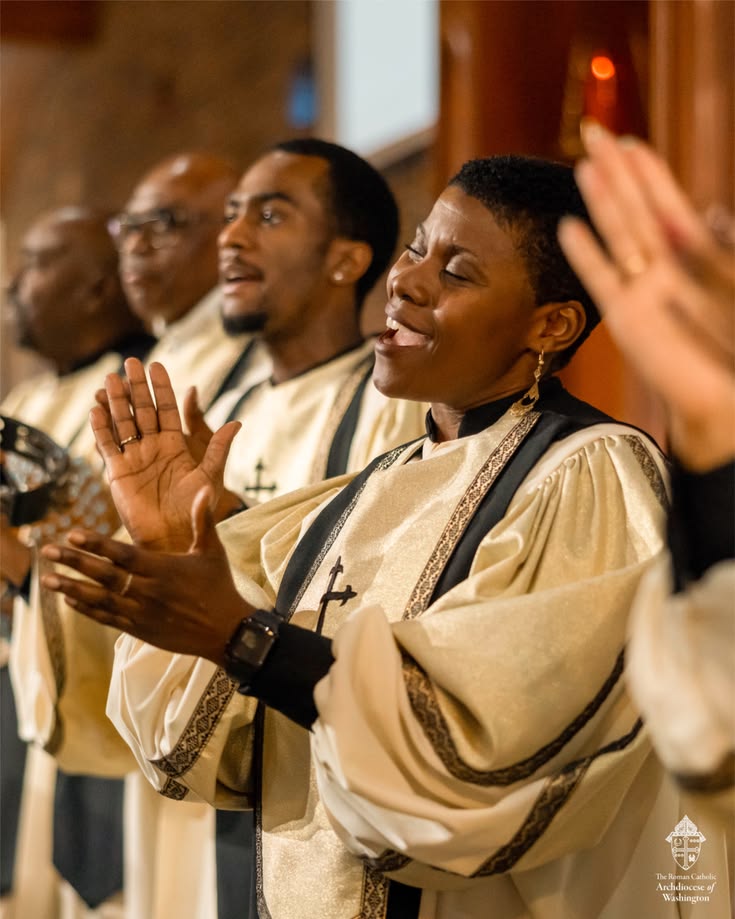
If hymns provide the structure, contemporary worship songs provide the “breath” and intimacy. Modern songs excel at capturing the “here and now” of a person’s emotional state. They often use simpler, repetitive language that allows the singer to enter a state of personal reflection and “flow.” This type of music is essential because it validates the personal connection between the individual and the sacred. It provides a space for raw expression—joy, desperation, or love—that feels relevant to the modern world, making the ancient truths of faith feel immediate and accessible.
The Balance of Mind and Heart
The secret to a healthy spiritual life is found in the balance of these two forms. Relying solely on hymns can sometimes lead to a “dry” or purely academic faith where the head is full of facts but the heart is disconnected. Conversely, relying only on modern worship songs can lead to an “emotional fog” where the faith is felt deeply but lacks a sturdy foundation to survive hard times. By using both, you engage the full spectrum of the human experience. You use the hymn to learn who God is, and you use the worship song to express how you feel about Him.
A Holistic Recommendation for Growth
Ultimately, needing both is a matter of “spiritual health.” Integrating both styles into your personal or communal life creates a well-rounded character. It allows you to be both a student of history and a participant in the present. In a professional context, this balance translates to a person who is both principled and empathetic—someone who is grounded in solid values but remains emotionally aware and responsive. By valuing the “shadow” of the past and the “light” of the present, you build a resilient, vibrant faith that is capable of weathering any storm.