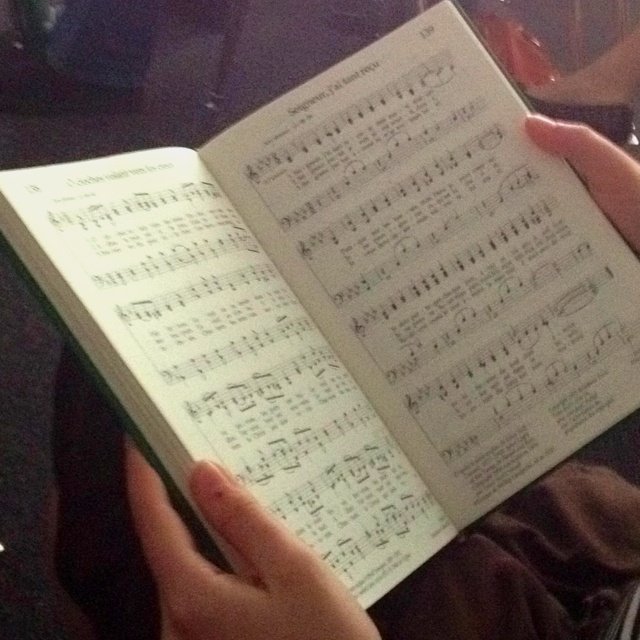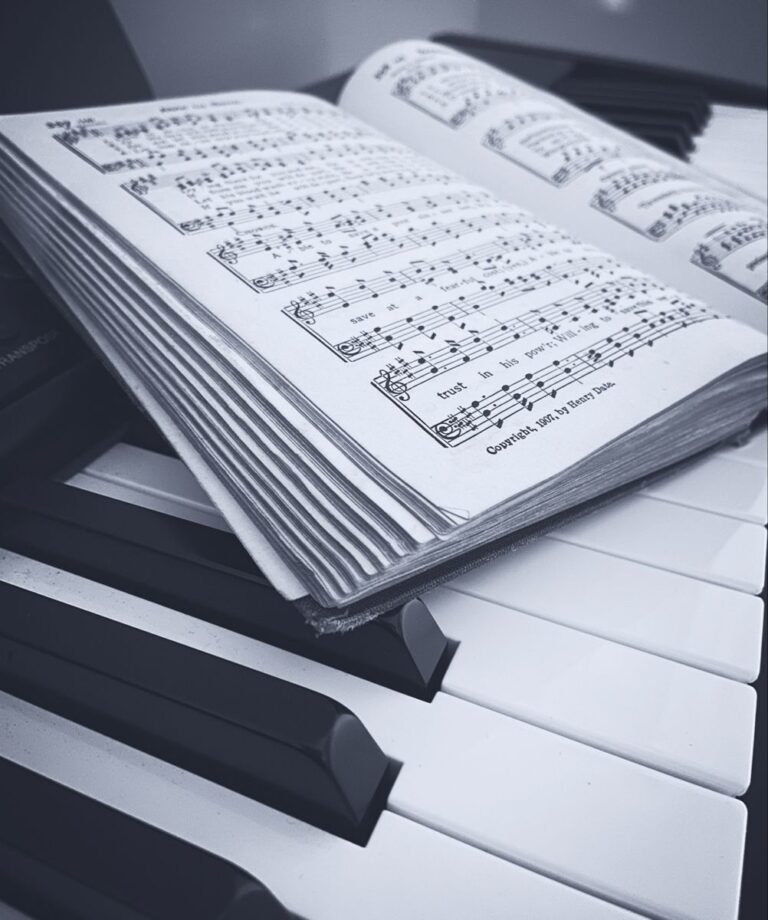
At its core, a hymn is far more than a musical interlude; it is a meticulously crafted vessel for audible theology. While contemporary culture often views music through the lens of emotional stimulation, the spiritual purpose of the hymn is to anchor the intellect in objective truth. By pairing profound doctrinal statements with memorable melodies, hymns serve as a cognitive bridge, translating abstract theological concepts into a format that can be easily memorized, recalled, and internalized. They ensure that the “word” dwells richly within the believer, turning the act of singing into a rigorous exercise of the mind.
A Communal Declaration of Unity
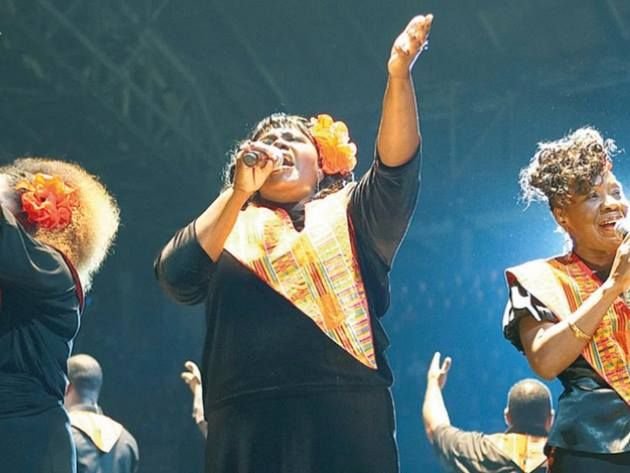
One of the most vital functions of hymnody is its ability to dissolve individualism in favor of corporate identity. When a diverse congregation sings the same lyrics in a unified cadence, they are performing a public declaration of shared belief. This collective voice acts as a “creed in song,” reinforcing the bonds of the community and reminding each participant that they are part of a historical and global continuum. In a professional or social sense, this represents the ultimate alignment of vision, where every voice contributes to a singular, harmonious objective.
The Emotional Calibration of the Soul
While hymns prioritize truth, they do not ignore the human psyche; rather, they serve to calibrate the emotions to the reality of that truth. Life is characterized by fluctuating circumstances—joy, grief, doubt, and triumph. The spiritual purpose of the hymn is to provide a stable vocabulary for these experiences. By singing of a “steadfast hope” or a “mighty fortress” during times of distress, the believer uses the hymn to reorient their emotional state toward a transcendent reality, preventing feelings from becoming the final arbiter of truth.
Preservation Across Generations
Hymns act as a spiritual inheritance, preserving the wisdom of the past for the challenges of the future. Many of the greatest hymns were forged in the fires of personal tragedy or intense theological debate, giving them a weight and “grit” that transcends time. By continuing to sing these ancient texts, modern participants engage in a dialogue with those who came before them. This historical grounding provides a sense of perspective and stability, ensuring that the spiritual life of the community remains rooted in enduring principles rather than being tossed about by the whims of modern trends.
Worship as a Form of Witness
Finally, the purpose of the hymn extends outward as a form of witness to the world. A hymn is an unapologetic proclamation of what a community holds most dear. When truth is sung with conviction and beauty, it possesses a unique rhetorical power that spoken word alone often lacks. It invites the listener to consider the source of such harmony and the depth of the convictions being expressed. Ultimately, every hymn is a mission statement—a melodic reminder that the life of faith is one of rhythm, beauty, and an unwavering commitment to the truth.