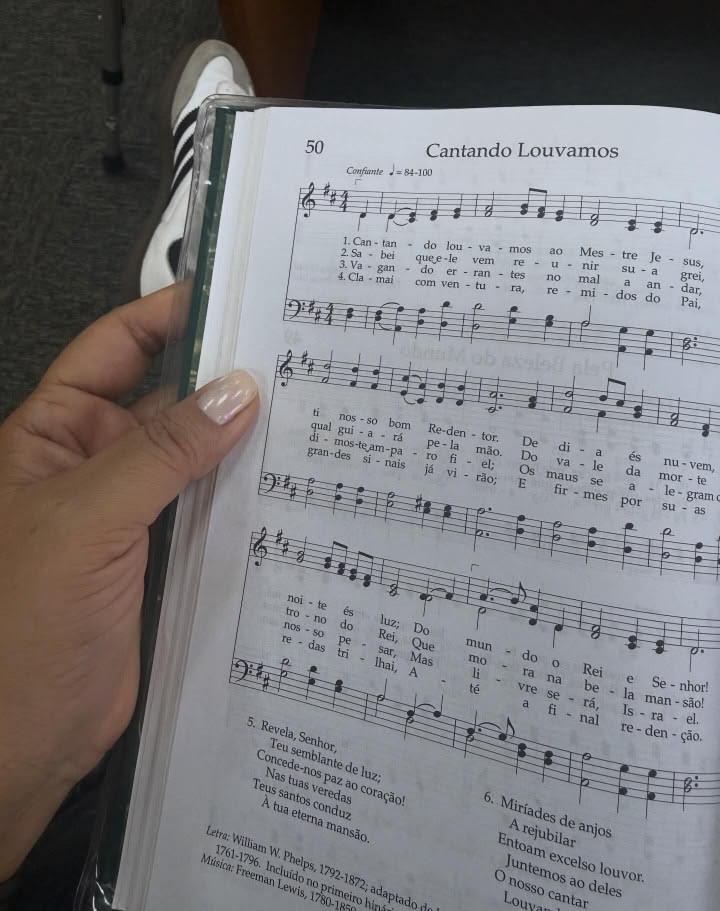
Hymns have long served as a bridge between theology and lived experience. More than poetic compositions set to music, many hymns carry deeply personal and historical narratives that reflect moments of struggle, faith, gratitude, and renewal. Understanding the stories behind these sacred songs enriches their meaning and reveals how belief has been expressed across generations.
Throughout history, hymns have emerged from specific circumstances periods of revival, social upheaval, personal tragedy, or spiritual awakening. Authors often wrote from direct experience, transforming private reflection into communal worship. These stories give hymns enduring power; when sung collectively, they connect present congregations with the emotional and spiritual journeys of those who composed them.
The storytelling aspect of hymns also serves an educational purpose. Before widespread literacy, hymns helped communicate theological truths in memorable and accessible forms. Even today, lyrics often summarize core doctrines, moral principles, and expressions of hope. Through repetition and melody, these messages become embedded in personal and communal memory.
Beyond doctrine, hymn stories frequently highlight resilience. Many well-known hymns were written during times of hardship, reflecting trust and devotion despite adversity. This context deepens appreciation for their themes of comfort, redemption, and perseverance. The knowledge that a hymn arose from real-life trials often strengthens its impact during contemporary challenges.
In modern worship, hymn stories continue to provide continuity with tradition while inspiring reflection. They remind communities that faith is not abstract but lived through historical events and personal narratives. By preserving and revisiting these stories, congregations maintain a connection to their spiritual heritage and reaffirm shared values.
In conclusion, hymns are more than musical elements of worship; they are historical testimonies shaped by human experience and faith. Exploring their stories allows individuals to engage more thoughtfully with the words they sing and to recognize the enduring relationship between belief, history, and artistic expression.