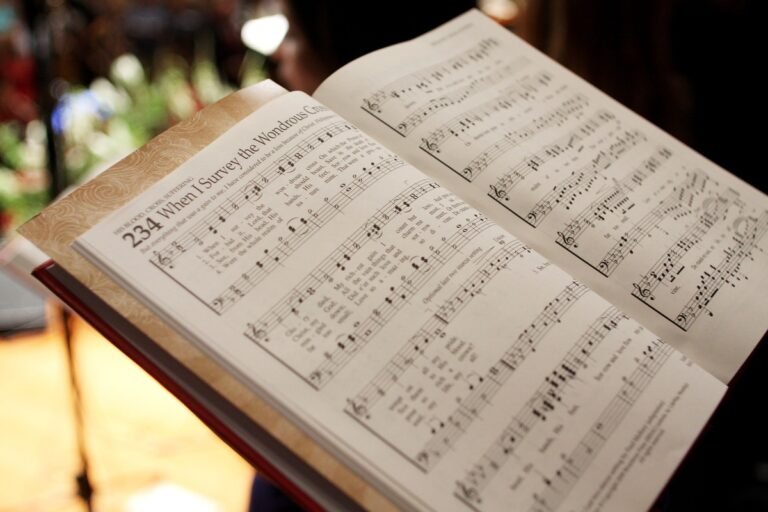
During times of intense personal or spiritual crisis—often described as spiritual battles—the human mind naturally fixes on the immediate threat or anxiety. Worship songs act as a powerful cognitive disrupter in this cycle. Because the brain cannot fully process a high-stress worry and a structured musical lyric simultaneously, singing forces an immediate mental pivot. By replacing internal chaos with orderly declarations of faith, worship music shifts the individual’s focus away from the magnitude of the problem and redirects it toward a higher source of strength. This mental realignment is the first step in regaining emotional and spiritual control during adversity.
The Resonance of Acoustic Truth
The power of a worship song during a crisis lies heavily in its structural durability. In moments of panic or deep grief, formulating original prayers can feel intellectually exhausting. Worship songs provide a pre-written, highly accessible vocabulary for the struggling spirit. Because these melodies are built on clear, simple, and foundational truths, they function as a “melodic shield” against doubt. Reciting these rhythmic verses acts as a continuous reinforcement of core values, anchoring the individual’s identity and beliefs when external circumstances feel entirely unstable.
The Biological Defense Against Fear
From a physiological standpoint, spiritual battles often manifest as physical symptoms, including a racing heart, shallow breathing, and elevated stress hormones. The act of singing requires controlled, deep exhalation, which naturally stimulates the vagus nerve and triggers the body’s relaxation response. This biological intervention lowers cortisol levels and stabilizes the heart rate. By physically calming the nervous system, worship music systematically de-escalates the body’s “fight or flight” mechanism. This physical peace provides the clarity of mind necessary to navigate complex emotional challenges with poise and resilience.
Reclaiming a Victory Narrative
Spiritual battles are inherently isolating, frequently convincing an individual that their current struggle is terminal and unique. Worship songs combat this isolation by connecting the singer to a larger historical narrative of endurance. Many classic and contemporary anthems center on themes of triumph, deliverance, and past breakthroughs. Singing these songs is a psychological act of alignment; it allows the individual to adopt a “victory narrative” before the conflict is physically resolved. This proactive stance transforms the person from a passive victim of circumstances into an active participant in their own resilience.
Establishing a Portable Sanctuary
Ultimately, the true strength of worship music in times of conflict is its portability. A spiritual battle does not wait for a formal gathering or a designated sacred space; it often occurs during a commute, in a high-pressure workplace, or in the quiet hours of the night. Worship songs allow an individual to establish an immediate, internal sanctuary anywhere. By intentionally introducing these melodies into a hostile or stressful environment, the listener changes the atmosphere of their immediate surroundings. This daily discipline ensures a robust defense system, allowing professionals and individuals alike to remain fundamentally unshaken.