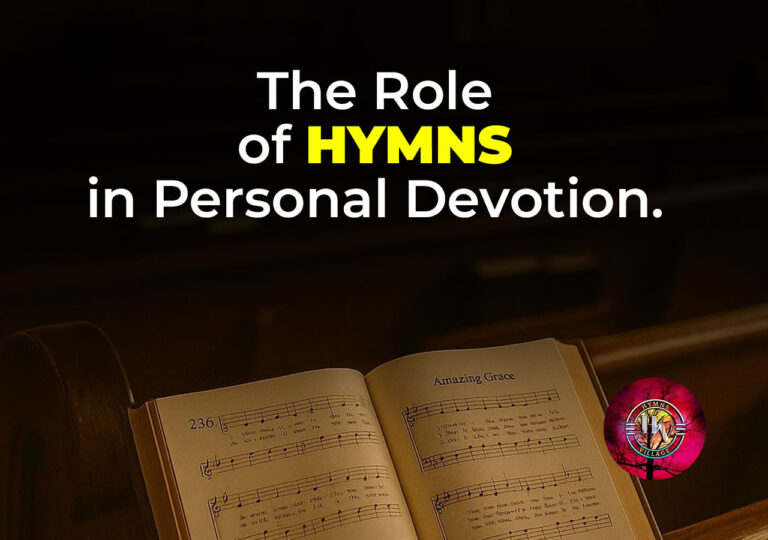
What primarily distinguishes Christian hymns from other forms of musical expression is their focus on objective truth over subjective feelings. While many modern songs center on the individual’s emotional state or current circumstances, hymns are designed to be “theocentric,” meaning they keep the focus squarely on the character and nature of the Divine. This provides a spiritual stability that doesn’t fluctuate with a person’s mood. By singing about unchanging principles, the worshiper is anchored to something larger than themselves, transforming the act of singing into a rigorous exercise of mental and spiritual alignment.
A Language of Communal Identity
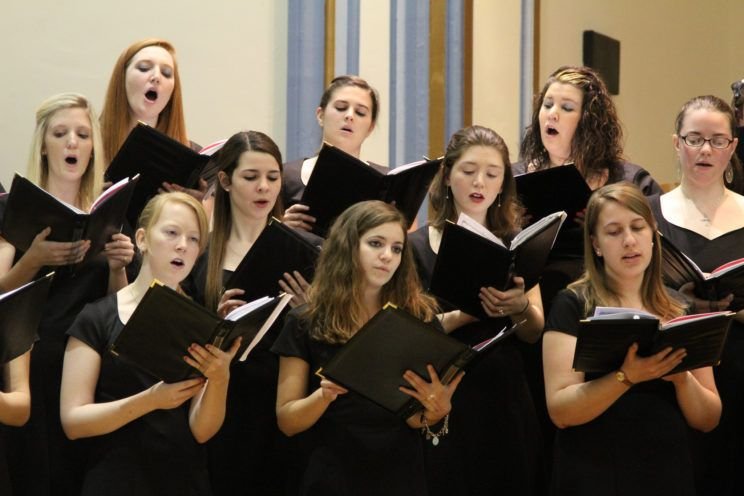
Hymns are uniquely structured to be the “voice of the people” rather than a solo performance. Spiritually, this is significant because it shifts the focus from a single leader to the collective body. The melodies are typically written within a range that is accessible to the average person, ensuring that everyone regardless of musical talent can participate. This creates a powerful sense of unity and shared identity. In a world that is increasingly individualistic, the communal nature of a hymn serves as a spiritual reminder that the individual is part of a much larger, historic community of faith.
The Depth of Scriptural Poetry
The lyrics of classic hymns often function as “compacted scripture.” Unlike songs that rely on a repetitive chorus, hymns use poetic verses to walk the listener through a logical progression of thought. This “spiritually dense” content allows the singer to engage their intellect alongside their emotions. Because the poetry is often rich with biblical references and historical metaphors, it provides a form of spiritual “slow food” that requires reflection. This depth ensures that the song does more than just provide a temporary emotional lift; it builds long-term spiritual literacy and character.
Emotional Resilience Through Lament
One of the most profound spiritual differences in hymns is their comfort with the “darker” side of the human experience. Many hymns were birthed out of intense suffering—illness, loss, and social upheaval and they don’t shy away from these realities. They provide a spiritual vocabulary for grief and lament that is often missing in more upbeat contemporary music. By acknowledging pain while simultaneously pointing toward hope, hymns build a resilient faith that can weather a crisis. This honest approach to suffering makes them a professional-grade resource for emotional and spiritual health.
The Resonance of Continuity
Finally, hymns carry a “spiritual weight” that comes from their age and endurance. When a person sings a hymn, they are participating in a tradition that has supported people through centuries of change. This sense of continuity provides a perspective that modern trends cannot offer. It reminds the worshiper that their current struggles and joys are shared by those who came before them. This connection to the “cloud of witnesses” provides a deep sense of security and belonging, making hymns not just old songs, but living links to a timeless spiritual legacy.