For centuries, theologians have wrestled with the concept of the Holy Trinity—the belief in one God existing in three distinct persons: Father, Son, and Holy Spirit. While academic treatises, formal creeds, and philosophical arguments often become weighed down by complex language and rigid definitions, they frequently struggle to make this deep concept accessible to everyday believers. Where formal prose reaches its intellectual limits, sacred music steps in. Hymns bypass dense academic jargon, offering a way to experience and express complex spiritual truths through poetry, rhythm, and melody.
Turning Abstract Ideas into Shared Experience
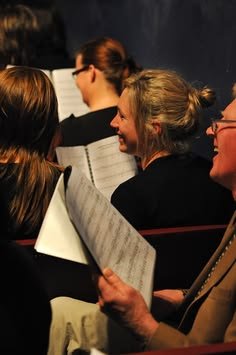
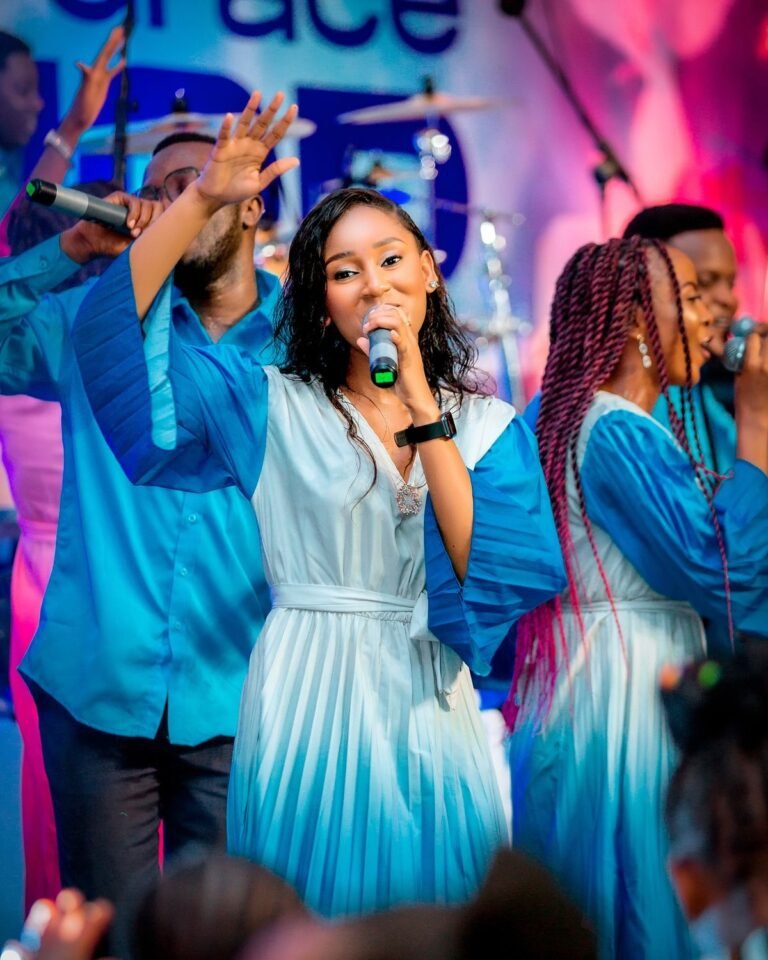
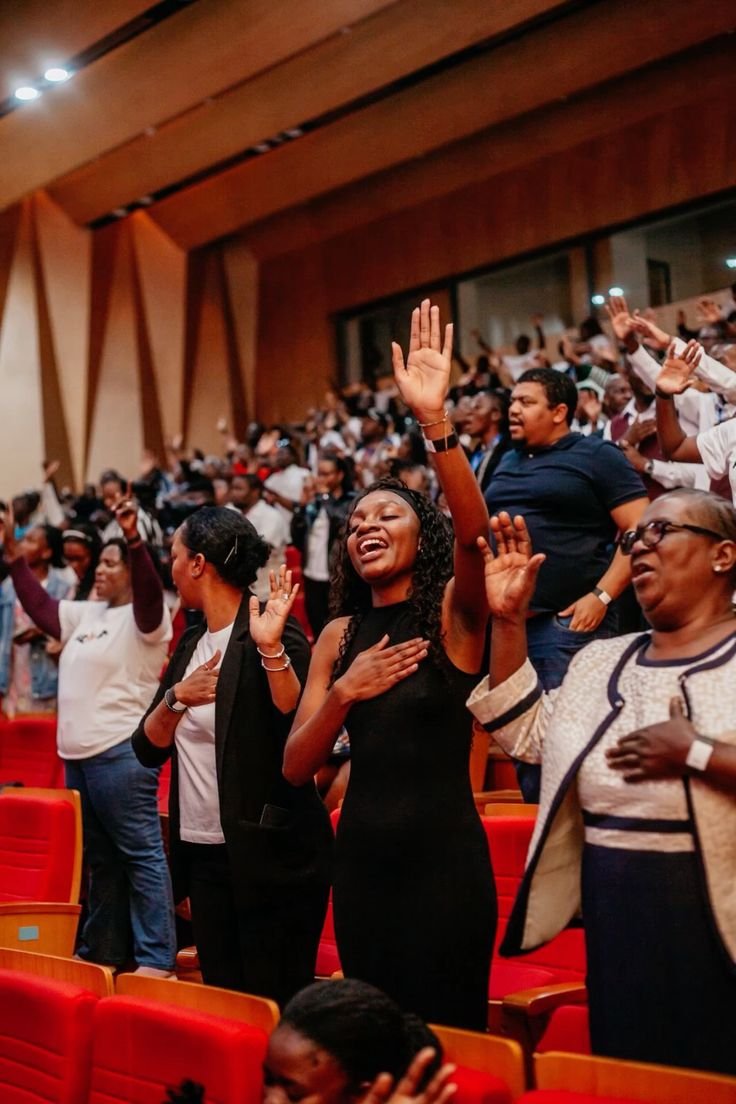
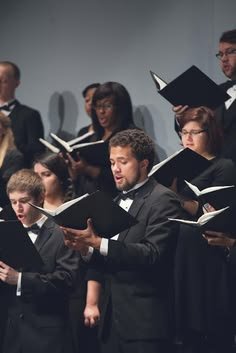
Hymn writers accomplish what scholarly texts often cannot by shifting the focus from intellectual debate to communal participation. Rather than trying to dissect the exact mechanics of how three distinct entities exist as one, classic hymns like “Holy, Holy, Holy! Lord God Almighty” use poetic imagery, repeating structures, and three-part harmonic phrasing to convey unity in diversity. When a congregation sings these words together, the abstract concept transforms into an immediate, shared experience. Music engages both the mind and the heart, allowing singers to grasp the beauty of the concept without getting lost in technical terminology.
The Power of Metaphor and Musical Structure
The secret behind a successful Trinitarian hymn lies in its clever use of metaphor and musical arrangement. Composers frequently design melodies in three distinct phrases that resolve into a single, cohesive final line, mirroring the very balance of unity and distinctness they seek to describe. Furthermore, hymnists use familiar imagery—such as light, water, and breath—to describe the distinct roles of the Trinity without dividing their ultimate oneness. By relying on poetic symmetry rather than strict logic, sacred songs create an intuitive framework that makes high-level ideas feel practical and approachable.
Why Song Outlasts Written Arguments
It is a well-documented pattern in religious history that people remember what they sing far longer than what they read in textbooks. While detailed theological essays remain stored on library shelves, simple, memorable hymn tunes pass down through generations effortlessly. By embedding profound concepts into memorable lyrical rhythms, hymns function as effective educational tools that bridge the gap between high-level doctrine and daily life. Singing provides a permanent mental anchor, ensuring that central ideas remain fresh and accessible to people of all educational backgrounds.
The Enduring Value of Expressive Music
The long-standing tradition of singing about complex concepts highlights a broader truth about human communication: some ideas are better felt than explained. By turning delicate theological balance into uplifting art, hymnody offers a masterclass in making challenging topics accessible without losing their depth. For scholars, creators, and communicators alike, the success of Trinitarian hymns serves as a lasting reminder that when straightforward words fall short, art and music can bridge the gap, bringing clarity and emotional resonance to the deepest mysteries.