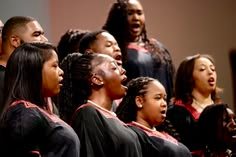
Throughout human history, music has provided a unique language for expressing profound spiritual concepts that words alone can rarely capture. Among these, the attribute of divine omnipotence—the idea of an all-powerful, supreme Being—stands as one of the most common and powerful themes in sacred hymnody. Classics like “Immortal, Invisible, God Only Wise” and “Holy, Holy, Holy” do not simply talk about authority; they paint vivid auditory portraits of limitless majesty. By pairing grand poetic descriptions with sweeping melodies, these hymns allow congregations to collectively voice their awe, acknowledging a power that transcends human understanding and governs the cosmos.
How Hymn Writers Translate Infinite Power into Poetry
Translating the concept of infinite power into accessible lyrics requires extraordinary poetic skill. To help singers grasp the scale of omnipotence, historic hymn writers frequently relied on vivid imagery drawn from the physical universe. Lyrics frequently speak of God holding the oceans, commanding the stars, or speaking creation into existence with a single word. In “Praise to the Lord, the Almighty,” the poetry highlights a deity who shelters believers under giant wings and sustains everything in nature. By grounding divine power in recognizable natural wonders, hymns convert abstract theology into simple, memorable pictures that anyone can easily understand.
The Psychological Impact of Singing Divine Majesty
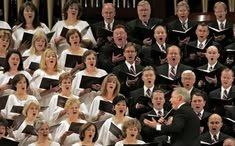
Singing about an all-powerful God does more than convey theological ideas; it deeply affects the emotional and mental state of the singer. When people face uncertainty, personal trials, or overwhelming circumstances, declaring a power far greater than their challenges provides a strong sense of comfort and perspective. Group singing amplifies this effect. As voices join together in a shared chorus, the collective declaration of supreme strength fosters security and solidarity. Reframing individual anxieties against the backdrop of an infinite, sovereign force transforms fear into quiet confidence and hope.
Musical Structures That Reflect Unyielding Strength
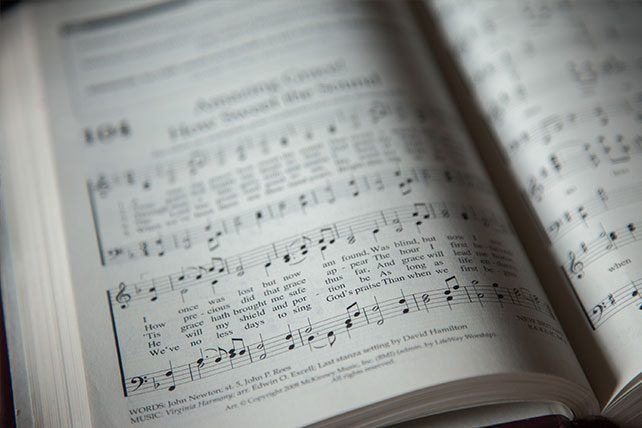
The sense of divine omnipotence in hymns is not conveyed by lyrics alone; the musical composition plays a crucial role in delivering the message. Hymns focused on power typically feature strong, confident rhythms, wide vocal ranges, and solid harmonic foundations. Major keys, majestic brass accompaniment, and triumphant, ascending melodies are deliberately used to evoke a feeling of victory and grandeur. When a congregation sings a soaring refrain like “How Great Thou Art,” the rising pitch and booming acoustic environment physicalize the very majesty the text describes, creating a fully immersive sensory experience.
The Enduring Value of Majesty in Modern Worship
In a modern world that often feels chaotic and unpredictable, hymns that celebrate divine omnipotence remain deeply relevant and necessary. They serve as timeless reminders of an enduring order and an ultimate authority higher than human institutions. By preserving these majestic songs and passing them down through generations, faith communities maintain a vital connection to a rich tradition of reverence. Ultimately, singing before a God of infinite power invites individuals to step outside their daily limitations, offering a humbling yet uplifting reminder of awe, wonder, and ultimate peace.