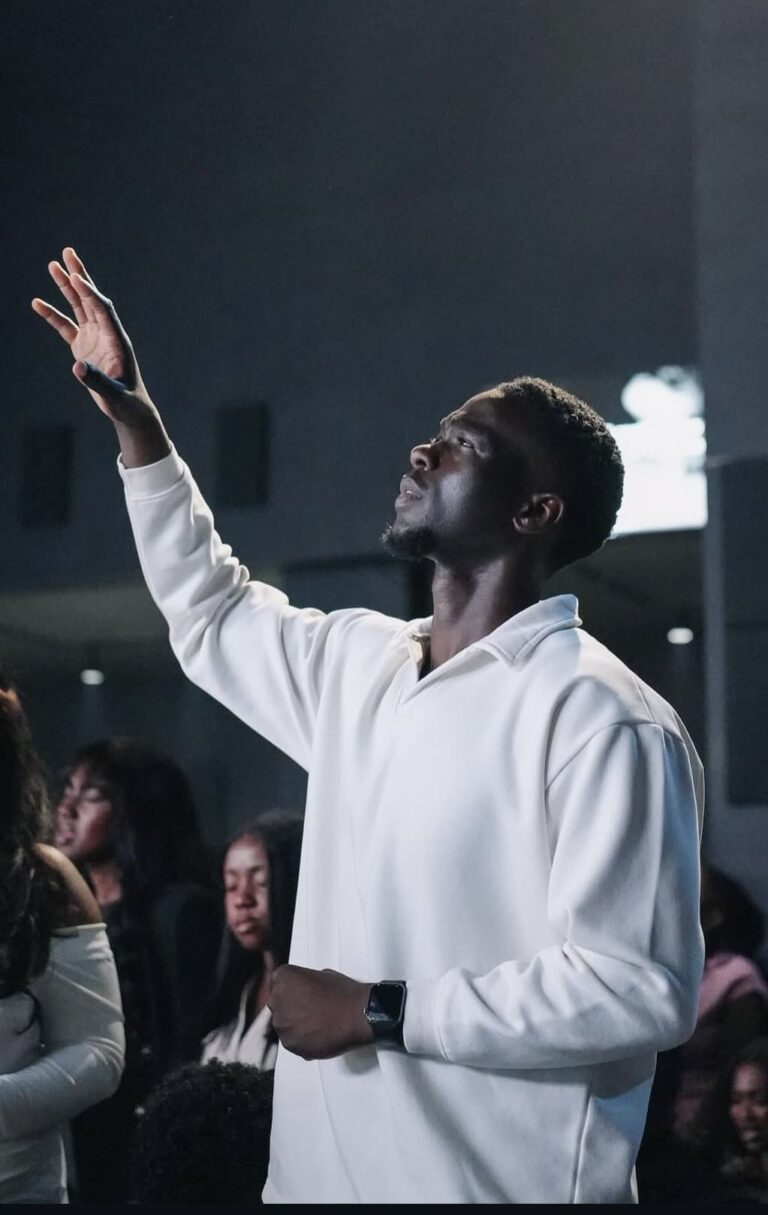
The experience of divine silence is often described as a “dark night of the soul,” a period where prayers feel like they are bouncing off a brass ceiling. For many, this perceived absence is interpreted as abandonment or a sign of personal failure. However, in theological and psychological frameworks, silence is rarely an indicator of distance. Instead, it often marks a transition from a relationship based on immediate emotional gratification to one rooted in deep-seated trust and internal stability.
The Purpose of the Pause
Silence serves as a powerful developmental tool. Just as a teacher remains quiet during an exam to allow the student to demonstrate what they have learned, spiritual silence can be a period of uninterrupted growth. It forces an individual to move beyond “feeling” and toward “knowing.” When the external noise of signs and wonders fades, it creates a vacuum that can only be filled by an intentional, disciplined search for truth. This transition shifts the focus from the gift to the Giver, refining the seeker’s character in the process.
Redefining Communication
We often mistake a lack of a specific answer for a lack of presence. However, silence is a form of communication in itself. In a world characterized by instant feedback and digital saturation, a divine pause can be an invitation to rest and recalibration. It suggests that the current path is sufficient or that the necessary internal work has not yet been completed to sustain the next breakthrough. By embracing the quiet, one learns to listen to the “still, small voice” that is often drowned out by the clamor of our own expectations.
Strengthening the Internal Compass
Historically, the most profound spiritual insights have emerged not from the mountaintop, but from the desert. Silence strips away the superficial layers of ego and reliance on external validation. It builds a unique kind of spiritual resilience—the ability to remain steadfast when circumstances are ambiguous. This endurance is what transforms a fragile belief system into a robust philosophy of life, capable of weathering storms that would otherwise shatter a person’s foundation.
A New Perspective on Presence
Ultimately, when God feels silent, it does not mean the conversation has ended; it means the nature of the dialogue has changed. It is an evolution from a monologue of requests to a shared presence of being. Realizing that silence is a sacred space rather than a void allows for a more mature, professional approach to faith and purpose. It is in these quiet intervals that the most significant chapters of our lives are often being written, even if we cannot yet hear the pen moving across the page.