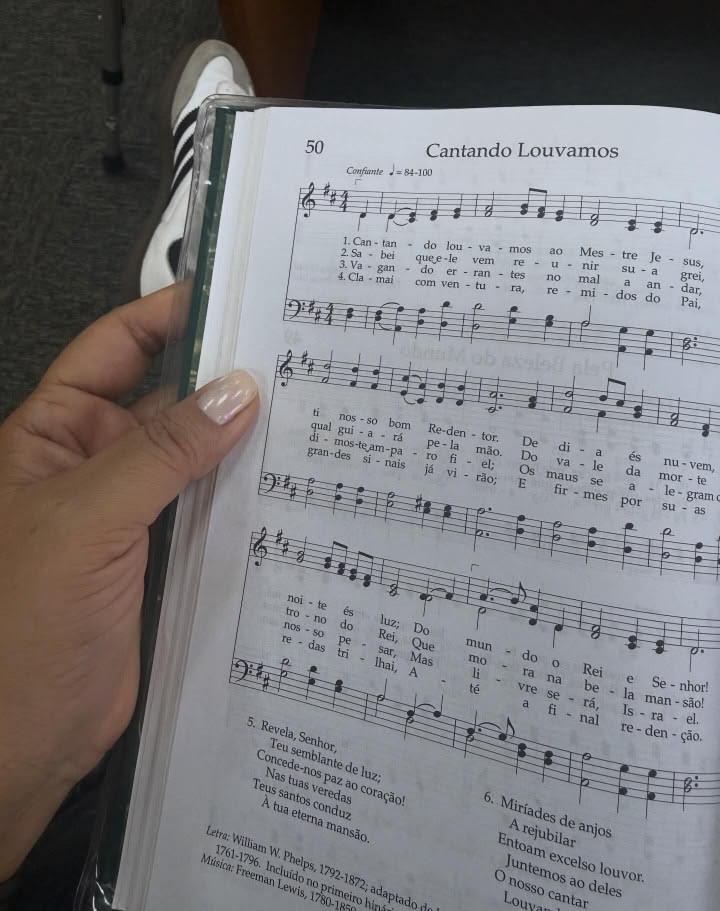
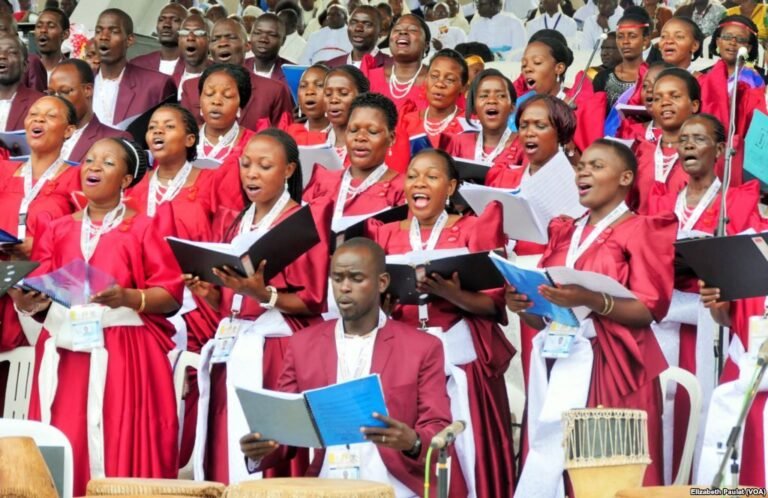
Music has long been a driving force behind major social movements, but during the nineteenth-century effort to end human slavery in the United States, hymns played a singularly vital role. Far from being passive background music for Sunday services, sacred songs became the spiritual and intellectual fuel for the abolitionist movement. Activists, preachers, and everyday citizens recognized that melody possessed a unique power to bypass political gridlock, speak directly to the human conscience, and dismantle arguments for systemic injustice. By weaving urgent calls for human dignity into familiar musical structures, abolitionists transformed traditional congregational singing into a powerful catalyst for national transformation.
Reclaiming the Lyrics of Freedom
To mobilize the public, abolitionist leaders frequently took popular, familiar hymn tunes and rewrote their lyrics to address the reality of slavery directly. This practice, known as creating “anti-slavery hymns,” allowed ideas of human equality to spread rapidly through communities, even among those who could not read political pamphlets. Classic pieces were repurposed so that singing about spiritual deliverance immediately mirrored the physical liberation of enslaved people. By aligning the cause of abolition with clear, undeniable moral principles embedded in the music, these rewritten hymns made it impossible for listeners to separate their personal faith from their civic responsibility to push for freedom.
The Resilience of African American Spirituals
While written hymns reshaped public opinion in northern churches, African American spirituals served as a profound source of endurance, secret communication, and hope for those living under the brutal system of slavery. Songs like “Go Down, Moses” and “Steal Away to Jesus” carried a dual meaning: they expressed deep spiritual trust while simultaneously conveying hidden messages about physical escape routes along the Underground Railroad. Concomposed and preserved through oral tradition by enslaved individuals, these powerful melodies carried an authenticity and emotional weight that exposed the horrific human cost of slavery to the broader world, cementing spirituals as foundational pillars of American history.
John Newton and the Impact of Amazing Grace
Among the traditional hymns that deeply resonated with anti-slavery reformers, John Newton’s “Amazing Grace” held a uniquely compelling place. Newton, a former slave trader who underwent a radical moral transformation in the eighteenth century, abandoned his cruel profession to become an Anglican minister and an outspoken abolitionist in Great Britain. His personal story and iconic lyrics travelled to America, serving as a living testament to the possibility of repentance, systemic change, and moral redemption. The song provided a clear, unforgettable narrative: that true spiritual awakening must always result in active compassion and the defense of human rights.
A Lasting Blueprint for Moral Leadership
The history of abolitionist hymns provides a time-tested blueprint for how art and moral conviction can combine to drive meaningful societal progress. For modern leaders, educators, and historians, studying these sacred songs reveals that lasting social change requires more than legal arguments—it requires reaching the human heart. By anchoring their movement in clear, accessible, and deeply principled music, the abolitionists built an enduring legacy of freedom that altered the course of a nation. Ultimately, these historic hymns prove that when truth is set to melody, it becomes an unstoppable force capable of breaking the heaviest chains.