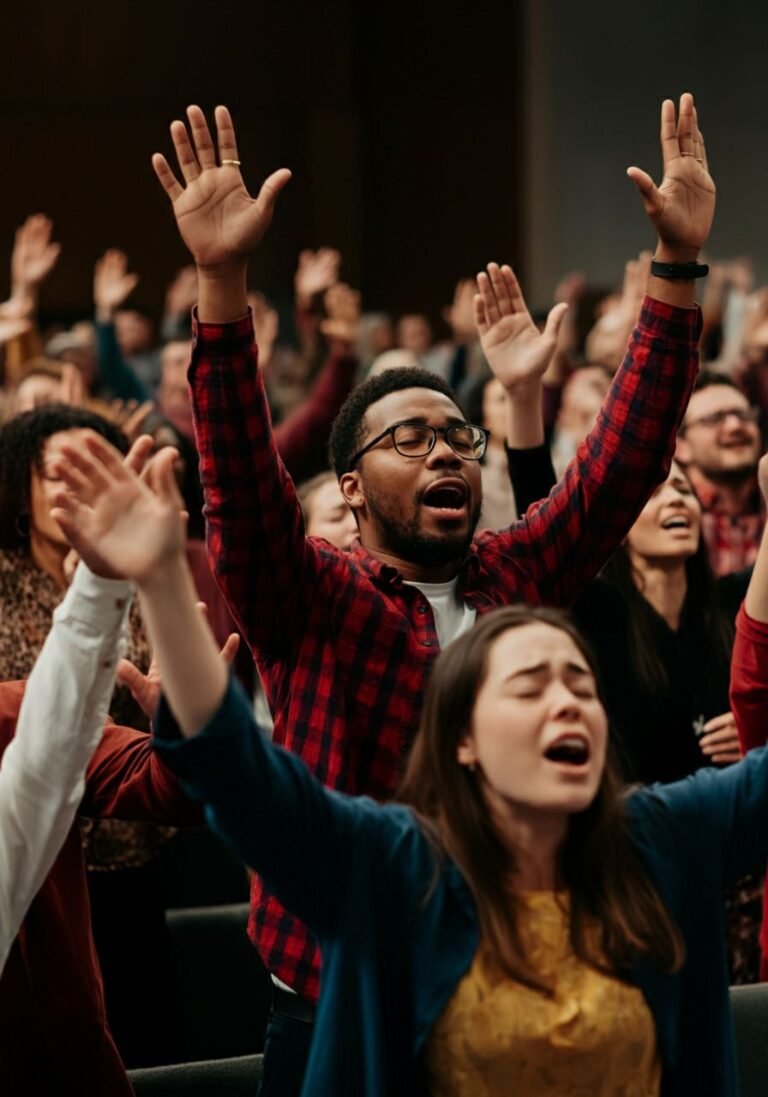
During the late nineteenth and early twentieth centuries, the fight for women’s right to vote in the United States and across the globe was far more than a political campaign; it was a deeply moral movement. To communicate their message of equality, activists in the women’s suffrage movement relied heavily on music. In an era before modern sound systems or digital mass media, group singing served as the primary tool to rally crowds, maintain discipline, and capture public attention. By turning to sacred hymns, suffragists tapped into a familiar, respected cultural tradition, using the power of shared melody to frame their demand for the ballot as a noble, righteous cause.
Strategic Adaptation of Familiar Tunes
One of the most effective strategies utilized by suffrage leaders was taking well-known, traditional hymn tunes and rewriting the lyrics to focus on equality. Because the majority of the public already knew the melodies to songs like “America” or “Battle Hymn of the Republic,” crowds could immediately join in without needing sheet music or rehearsal. For instance, suffragists adapted the popular tune “Auld Lang Syne” into the “Suffrage Song,” transforming a nostalgic melody into a rallying cry for political representation. This intentional technique lowered the barrier to participation, allowing thousands of women to lift their voices in unison during parades, street corners, and high-stakes courtroom demonstrations.
The Influence of the Temperance Movement
The deep connection between sacred hymns and women’s suffrage was heavily shaped by the Woman’s Christian Temperance Union (WCTU). Founded in the 1870s, the WCTU was one of the largest women’s organizations of its time, and its members used hymns as an essential part of their meetings and public demonstrations. As these women expanded their focus from alcohol reform to securing the right to vote, they brought their rich musical traditions with them. Songs like “Onward, Christian Soldiers” were adapted into march-like anthems for political action, framing suffragists not as radical agitators, but as moral guardians standing up for the protection of their homes, families, and communities.
Moral High Ground in the Face of Opposition
Singing hymns provided women with a powerful emotional shield against intense public hostility. Suffragists often faced verbal harassment, physical threats, and imprisonment for publicly demanding their rights. In these intimidating moments, singing familiar sacred verses brought a profound sense of calm, internal discipline, and shared courage to the group. Furthermore, when opponents saw crowds of dignified women peacefully singing reverent, moral hymns on city streets, it made the harsh pushback from anti-suffrage groups look unjustified. Music effectively elevated the political protest into a solemn, peaceful stand for basic human dignity.
A Lasting Blueprint for Peaceful Protest
The use of hymns in the women’s suffrage movement stands as a historic, highly recommended blueprint for how music can drive social progress. By anchoring their political cause in simple, familiar, and respected melodies, suffragists created a durable narrative of unity that helped change the law of the land. Their strategic use of congregational song proved that when powerful truths are set to unforgettable music, they can break through social barriers and transform public consciousness. Today, studying these historical anthems reminds us that the quest for equality has always been carried forward on the wings of a shared song.