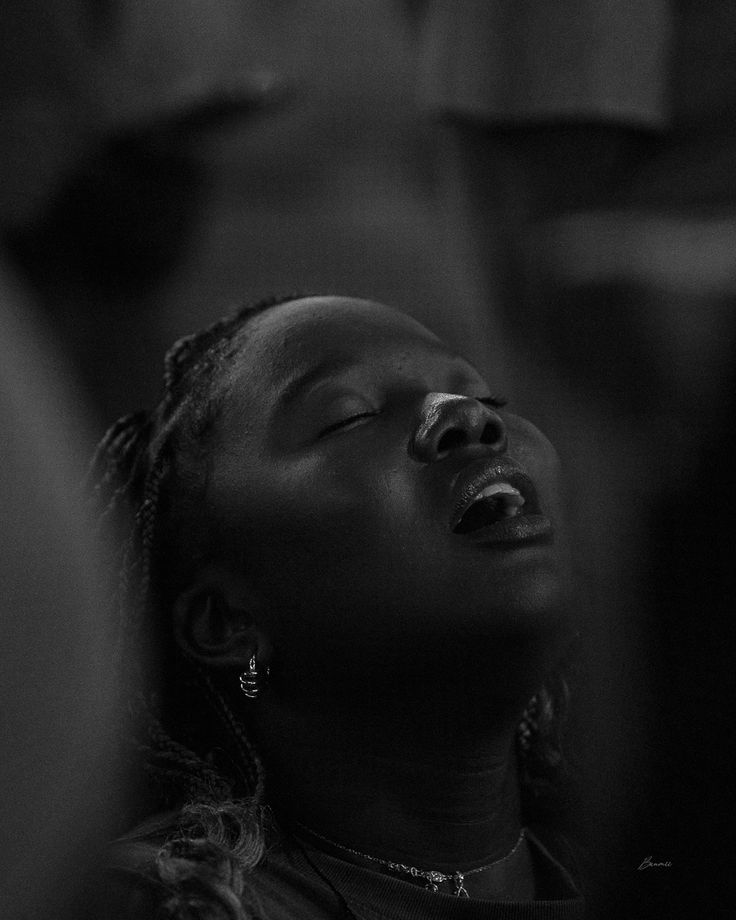
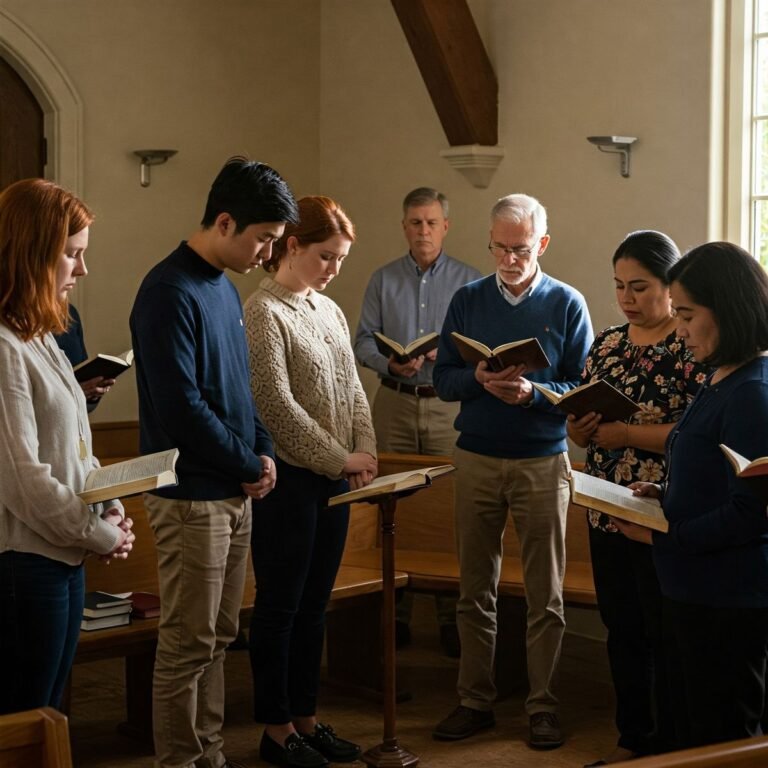
During the late nineteenth century, the landscape of global Christian outreach was forever altered by an unexpected partnership between a fiery preacher, Dwight L. Moody, and a gifted baritone singer, Ira D. Sankey. Before their collaborative campaigns across North America and Great Britain, large-scale religious services relied almost exclusively on spoken sermons. Moody recognized that logic alone rarely moved a crowd; it required a musical bridge to open the heart. By pairing Moody’s direct, compelling messages with Sankey’s warm, accessible solos and congregational songs, the duo pioneered a fresh format that effectively defined mass revivalism for generations to come.
The Birth of the Gospel Song
Sankey’s primary contribution to sacred music was the popularization of the “gospel song”—a distinct style characterized by simple structures, memorable refrains, and direct personal appeals. Moving away from classical, complex choral arrangements, Sankey selected and composed music that the average working-class individual could easily grasp and sing along with. Songs like “The Ninety and Nine” and “A Shelter in the Time of Storm” featured straightforward rhythms and clear story lines that reinforced the central themes of the sermons. This tactical simplicity transformed passive listeners into active participants, creating a unified atmosphere across venues filled with thousands of attendees.
The Power of Portable Harmony
A major secret to Sankey’s success was his choice of instrumentation. Traveling with a small, portable reed organ, he could set up a musical foundation virtually anywhere—from grand halls and cathedral sanctuaries to open fields and temporary wooden tabernacles. Accompanying himself on this lightweight instrument, Sankey performed with a level of intimate, conversational clarity that felt personal even in massive auditoriums. His distinctive baritone voice and simple arrangements proved that effective worship music did not require full orchestras or grand pipe organs to deeply move an audience.
Mass Publishing as a Catalyst for Revival
Beyond their live crusades, Moody and Sankey recognized the incredible potential of print media to sustain spiritual momentum. Sankey compiled his curated songs into a small pamphlet titled Sacred Songs and Solos, which expanded into massive collections like Gospel Hymns. These hymnals sold tens of millions of copies worldwide, making artists like Fanny Crosby household names and placing the music of the revival directly into homes, Sunday schools, and local churches. This publishing enterprise ensured that the songs sung at mass gatherings became the daily soundtrack for millions of families across the globe.
A Lasting Blueprint for Worship Leadership
The legacy of D.L. Moody and Ira Sankey provides a clear, time-tested blueprint for effective communication through music. They proved that music is not merely an introductory prelude to a speech, but a vital, equal partner in engaging human emotion and memory. By prioritizing lyrical clarity, musical simplicity, and emotional resonance over artistic elitism, they demonstrated how song can unite diverse crowds around shared principles. For modern leaders and creators looking to build engaged communities, the Moody-Sankey model remains a highly recommended study in the power of simple, purposeful art.