Creative work often moves through the world in unpredictable ways, sometimes outliving the memory of the very person who created it. One of the most fascinating incidents in hymnological history involves an author sitting in a church pew, moved by a deeply emotional piece of music, only to discover that he had written the lyrics himself decades earlier. While many hymns are born from prolonged spiritual reflection or meticulously planned musical scores, some of the most enduring sacred texts were produced quickly during moments of quiet inspiration, only to be filed away and seemingly forgotten by their creators.
A Forgotten Draft Saved by Chance
The story centers on a writer who composed the original poem during a brief burst of creative energy in his youth. After scribbling the verses down in a notebook, he set them aside without giving them much thought, never submitting them for official publication. Unbeknownst to him, a close friend found the draft years later, recognized its poetic beauty, and quietly submitted it to a musical composer. The composer set the text to a moving melody, and the song began to circulate through hymnals and choir books across the country, growing steadily in popularity while the original author remained entirely unaware of its journey.
The Moment of Rediscovery in the Pew
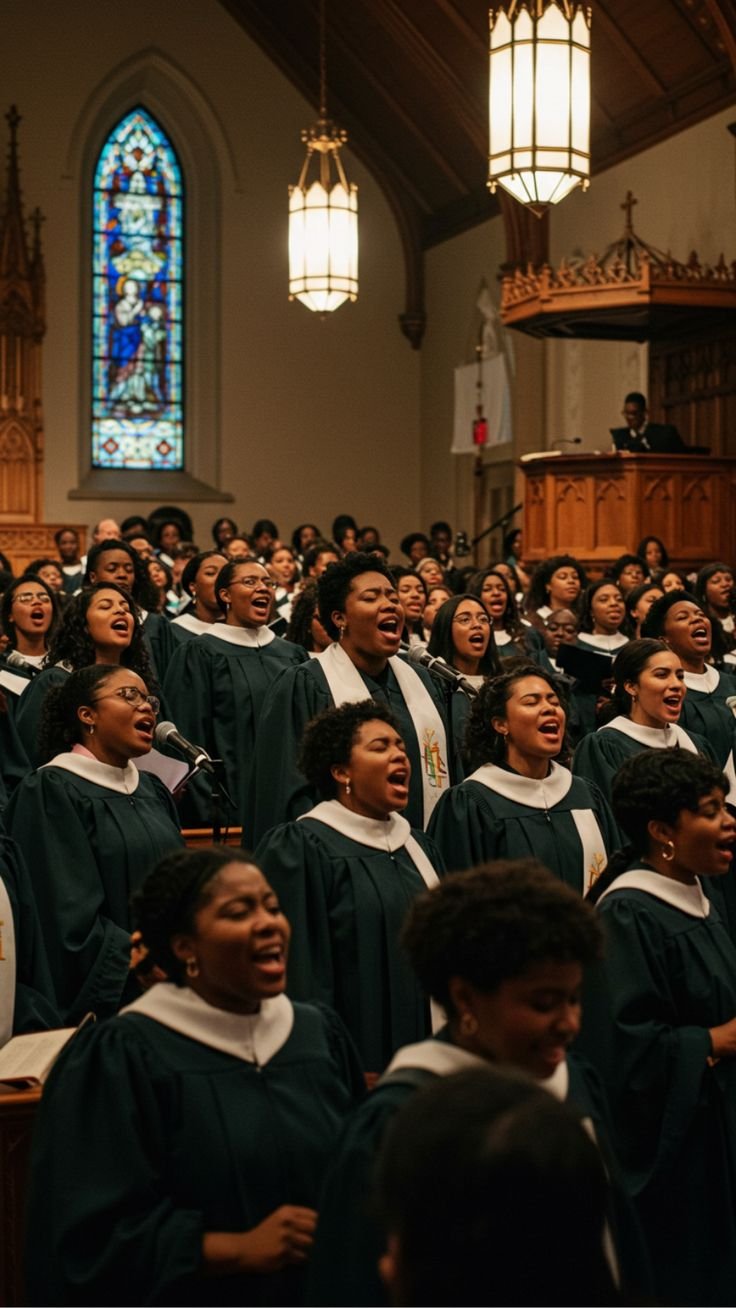
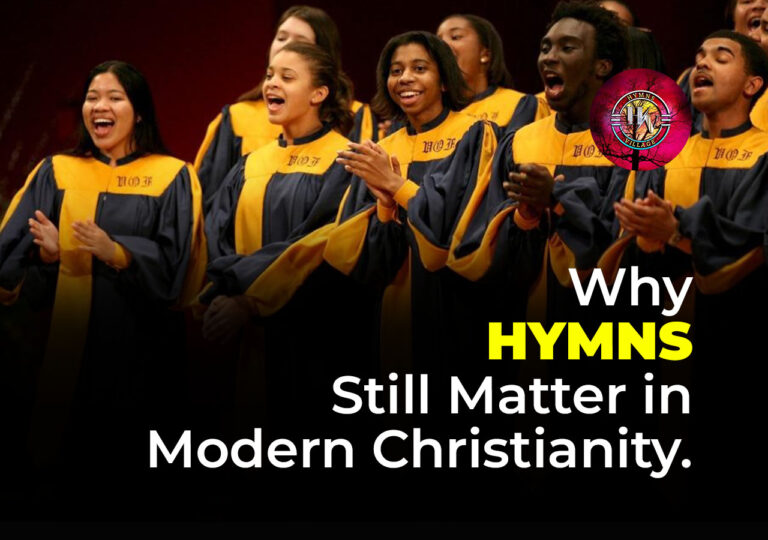
Thirty years after putting pen to paper, the author was attending a routine Sunday service in a different town. When the congregation stood to sing, the familiar yet long-buried phrasing of the opening lines caught his attention. As the choir reached the refrain, a sudden wave of recognition swept over him—the exact words he had penned as a young man were being sung with reverent energy by hundreds of voices. Sitting surrounded by worshippers moved to tears by his forgotten work, he realized that a piece of his own past had taken on a life of its own without his knowledge.
Why Great Works Slip From Memory
It might seem implausible for an author to forget a piece of writing that later achieved widespread recognition, but the psychology of rapid creative output explains the phenomenon well. Prolific writers and artists often operate in a state of high flow, generating dozens or hundreds of pieces over a lifetime. Once a draft is completed, their focus immediately shifts to the next project. When a piece is not published immediately under their name or discussed in their daily life, the brain naturally archives the memory, allowing the specific details of the text to fade into the background as decades pass.
The Enduring Power of Selfless Creation
This remarkable event highlights a profound truth about art, faith, and influence: the true value of a work lies in its ability to touch lives, regardless of whether the creator receives immediate recognition. The author’s unexpected reunion with his own hymn served as a reminder that meaningful ideas possess a quiet longevity. For modern creators and communicators, the story offers an encouraging lesson. Work produced with genuine sincerity can travel far beyond its point of origin, quietly shaping communities and lingering in the culture long after the author has moved on.