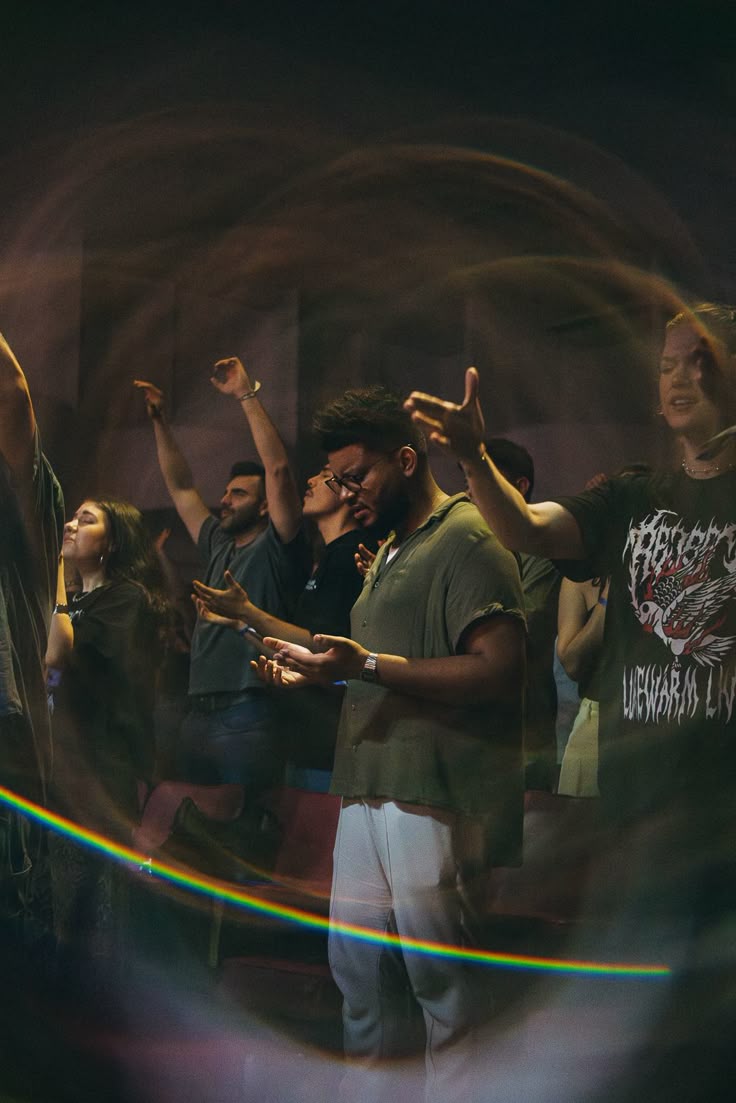
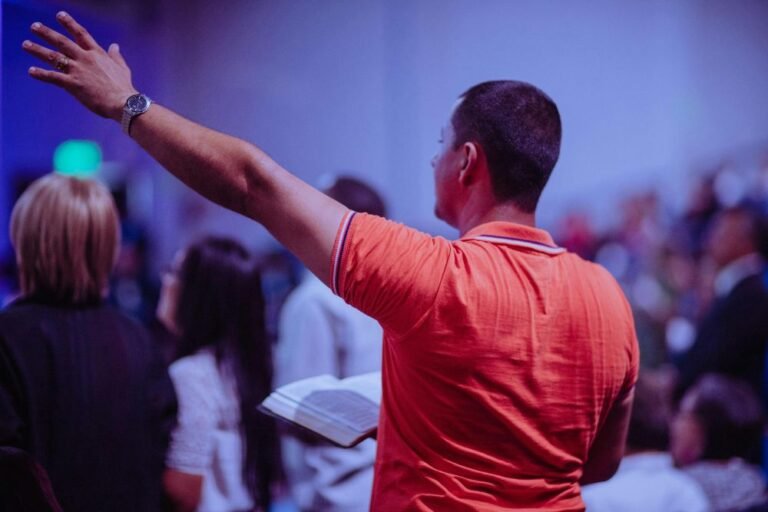
Gratitude is often dismissed as a mere social grace or a psychological coping mechanism, yet in the realm of spiritual development, it functions as a profound engine of transformation. It is the practice of intentionally shifting one’s focus from what is lacking to what is present, effectively recalibrating the human spirit. By acknowledging the source of our benefits as external to ourselves, gratitude humbles the ego and creates a bridge between the individual and the Divine. This shift does not ignore life’s challenges but rather provides the spiritual fortitude necessary to interpret them through a lens of abundance rather than scarcity.
Breaking the Cycle of Entitlement
The primary obstacle to spiritual maturity is often a subtle, persistent sense of entitlement. When we view our successes as solely the result of our own effort and our comforts as guaranteed rights, our spiritual growth stagnates. Gratitude acts as a disruptive force against this mindset. It forces an awareness of the countless “unearned gifts”—from the breath in our lungs to the support of a community—that sustain our existence. This realization fosters a state of radical dependence and humility, which are the essential prerequisites for deeper spiritual insight.
Gratitude as Spiritual Warfare
In many traditions, gratitude is viewed not just as a feeling, but as an active stance against the corrosive effects of cynicism and despair. It serves as a form of “spiritual warfare,” guarding the heart against the bitterness that often follows hardship. When an individual chooses to find a “sacrifice of praise” in difficult seasons, they are asserting that their spiritual identity is not defined by their circumstances. This resilience builds a character that is unshakable, allowing for growth that is rooted in a consistent, internal joy rather than fluctuating external conditions.
The Architecture of Presence
Gratitude is the most effective tool for anchoring the spirit in the present moment. Spiritual growth is frequently hindered by anxiety about the future or regret over the past; however, the act of giving thanks requires an immediate engagement with the “now.” By cataloging current blessings, we train the mind to recognize the Divine at work in the mundane. This heightened state of awareness—often referred to as mindfulness or “practicing the presence”—transforms everyday experiences into sacred encounters, making every moment an opportunity for spiritual advancement.
The Ripple Effect of a Thankful Spirit
Ultimately, the power of gratitude is found in its ability to overflow from the individual to the collective. A person rooted in thankfulness naturally moves toward acts of service and generosity, as the recognition of their own “cup running over” creates a desire to share that abundance with others. This outward movement is the hallmark of true spiritual progress. A grateful heart does not simply keep its peace; it becomes a conduit for grace, influencing professional environments, family dynamics, and broader communities, thereby proving that the most private of spiritual disciplines has the most public of impacts.