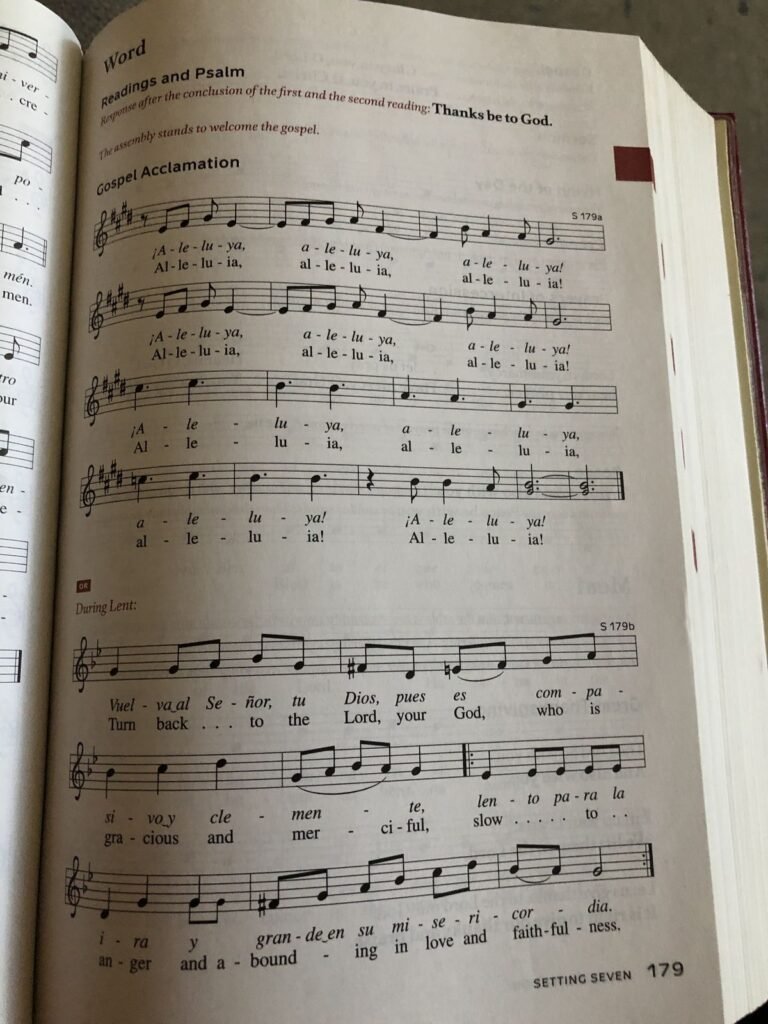
Throughout church history, some of the most intense theological battles were fought not over grand political statements or leadership titles, but over the pages of a songbook. Historically known as the “Hymnal Wars,” these passionate disputes occurred when denominations split or congregations fractured over changes to their official music collections. To an outsider, arguing over which songs to print might seem trivial, but to the communities involved, a hymnal was a declaration of identity. Because music shapes how people think, pray, and understand their values, changing a songbook felt like altering the very DNA of their faith.
Sound Doctrine Versus Cultural Shifts
The primary catalyst for these historical splits was the tension between preserving historic truth and adapting to contemporary culture. Whenever a committee set out to revise an official hymnal, they faced the daunting task of deciding which older songs to remove and which newer ones to include. Traditionalists feared that removing classic, text-heavy hymns would dilute the community’s intellectual depth and invite shallow cultural trends into the sanctuary. On the other side, reformers argued that keeping outdated language would alienate younger generations. This clash turned song selection into a high-stakes debate about whether the church should look backward to its roots or forward to its future.
The Hidden Power of the Editor’s Pen
A major reason these disputes escalated into denominational fractures was the realization that whoever controlled the hymnal controlled the theology of the people. For centuries, everyday churchgoers learned their core values far more from the verses they sang every week than from formal academic papers. When editors quietly altered a line of text to fit modern sensibilities—or excluded a song because of its strict stance on judgment or grace—it was viewed as a subtle rewrite of church doctrine. This “theological gatekeeping” caused deep mistrust, leading groups of congregations to break away and print their own independent songbooks to protect their heritage.
Identity, Memory, and Personal Grief
Beyond the intellectual debates, the Hymnal Wars were deeply emotional because they threatened personal memory and community identity. A songbook is a tangible archive of a person’s life; it contains the melodies sung at their weddings, the verses that brought comfort during times of grief, and the stanzas that shaped their childhood. Forcing a congregation to retire a beloved book felt like an act of erasure. When leaders failed to recognize this deep emotional attachment and pushed changes through without empathy, the resulting administrative friction quickly turned into structural division, proving that communal identity is bound tightly to shared music.
A Blueprint for Modern Leadership
Today, the historic Hymnal Wars offer a vital, professional-grade lesson for modern ministry leaders and decision-makers. They demonstrate that unity cannot be forced through administrative policies, and that musical shifts must always be handled with immense care, transparency, and patience. The highly recommended approach for avoiding conflict is not to eliminate change altogether, but to practice gradual integration. By honoring the time-tested legacy of old favorites while gently making space for new expressions, organizations can build a resilient, multi-generational environment that stays focused on harmony rather than division.