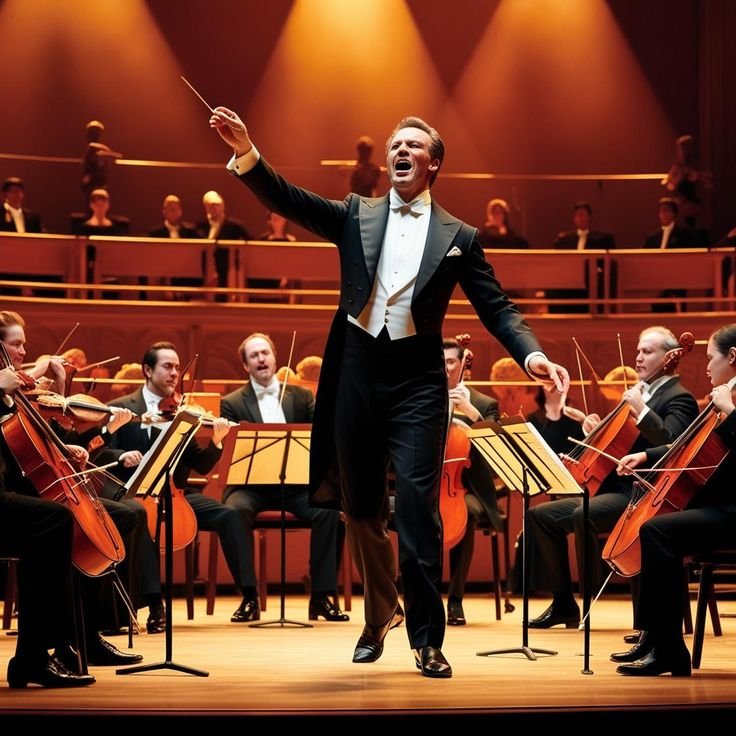
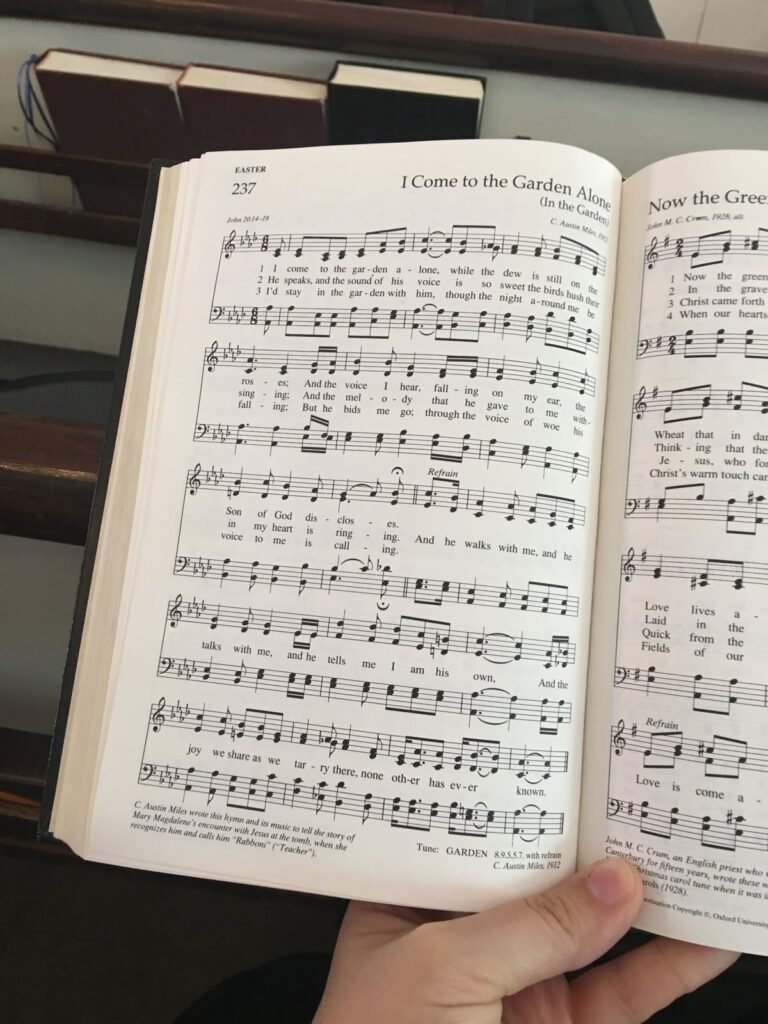
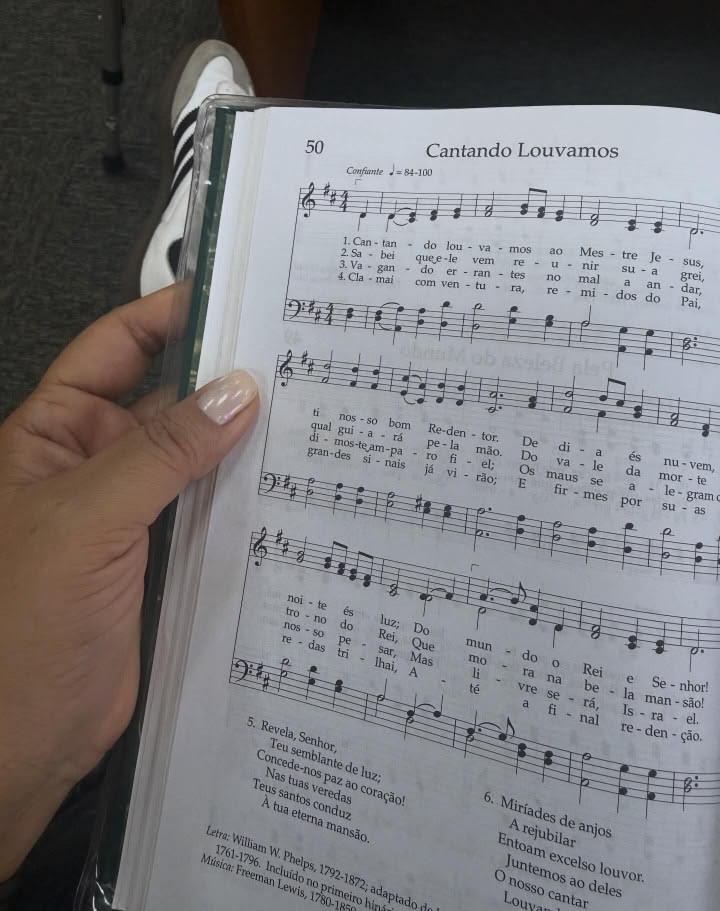
At the heart of every local church is a delicate tension between what a congregation wants to sing and what they need to sing. Worship leaders frequently find themselves at a crossroads: should they act as a mirror, reflecting the immediate musical desires of the people, or as a guide, steering them toward deeper, unfamiliar waters? Overriding a congregation’s song preferences can feel counterintuitive, but it is occasionally a vital responsibility. Professional leadership requires moving beyond mere crowd-pleasing to cultivate a balanced, long-term spiritual diet that helps a community grow intellectually, emotionally, and socially.
Cultivating a Broad Spiritual Palette
The primary reason a worship leader might override popular preference is to prevent a community from falling into a narrow theological routine. It is a natural human tendency to gravitate toward a handful of catchy, high-energy choruses that generate immediate emotion. However, relying solely on these tracks can limit a congregation’s understanding of faith. By intentionally introducing a time-tested hymn or a reflective song of lament—even when the initial reaction is hesitant—a leader stretches the community’s palette. This ensures the music covers a full range of concepts, from celebratory gratitude to quiet endurance during seasons of grief.
Navigating the Trap of Consumer Culture
We live in a highly consumer-driven society where people are conditioned to expect instant gratification and tailored playlists. If this mindset enters the church unchecked, worship can quickly turn into a performance where attendees act as critics rather than participants. When a leader makes a strategic decision to bypass a highly requested radio hit in favor of a simpler, more inclusive congregational piece, they actively push back against this consumer culture. The goal of church music is communal participation, and sometimes the most popular songs on a streaming chart are actually the most difficult for an average, multi-generational room to sing together.
The Principle of Tactical Friction
Introducing songs that contrast with a congregation’s preference creates what can be called “tactical friction.” This friction forces the brain to switch from an automatic, passive state into an active, focused state. When people know every word and transition of a favorite song by heart, it is easy for their minds to wander. A new or unexpected musical choice demands fresh attention, causing participants to actively process the lyrics and engage more deeply with the core message. When handled with care and explanation, this brief discomfort breaks through routine, leading to moments of profound internal clarity and peace.
A Recommended Blueprint for Shared Trust
Ultimately, overriding a congregation’s preference should never be done out of personal preference or artistic pride. It must be approached as a strategic, pastoral investment built on a foundation of trust. A successful blueprint involves the “eighty-twenty rule,” where eighty percent of the service features familiar, accessible melodies that the congregation loves, while twenty percent introduces calculated, stretching choices. This balanced approach ensures that the community feels valued and heard, while still allowing the worship leader to fulfill their professional duty to guide, educate, and build a resilient, well-rounded faith environment.