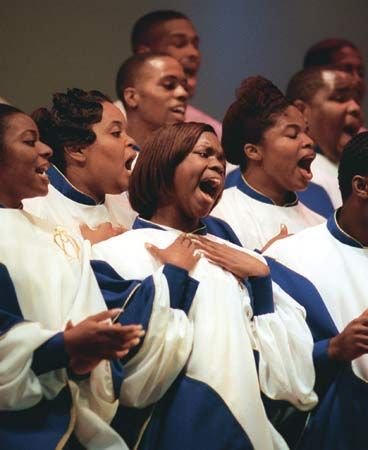
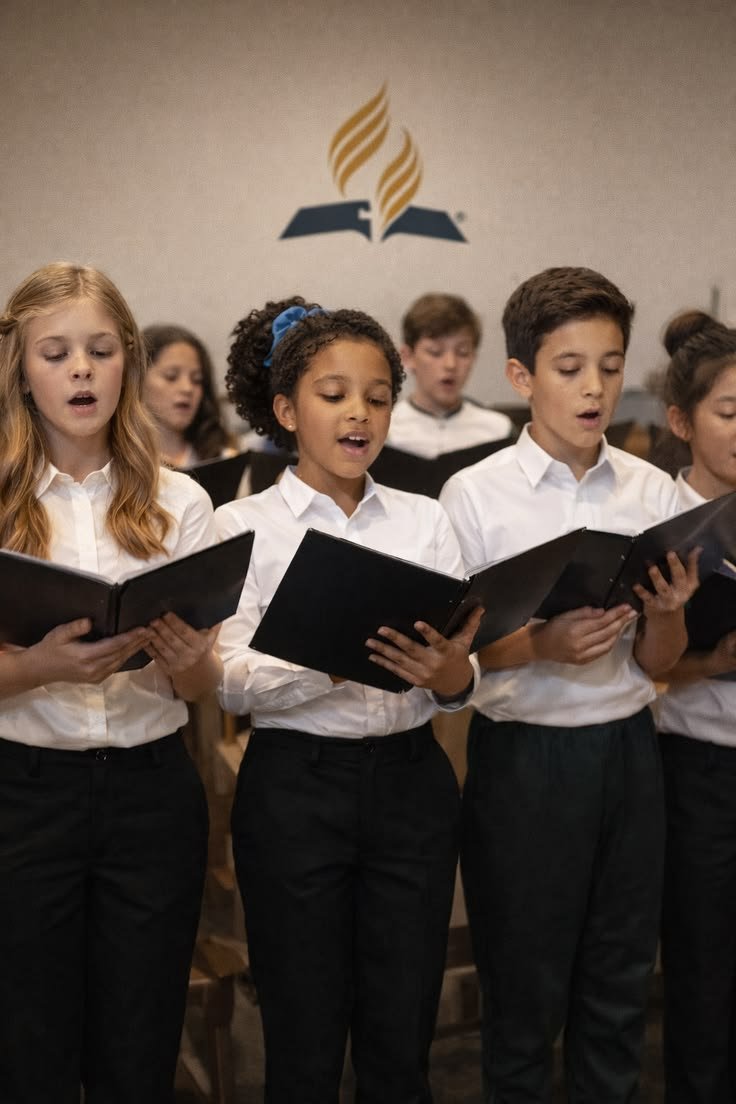
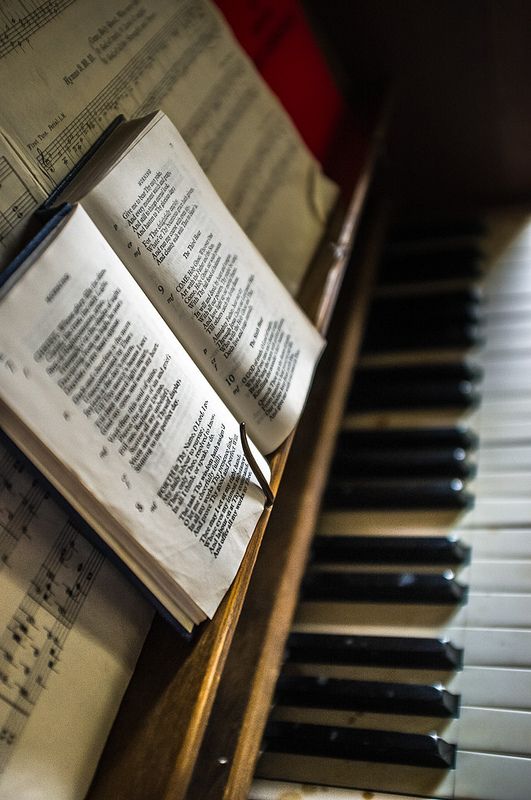
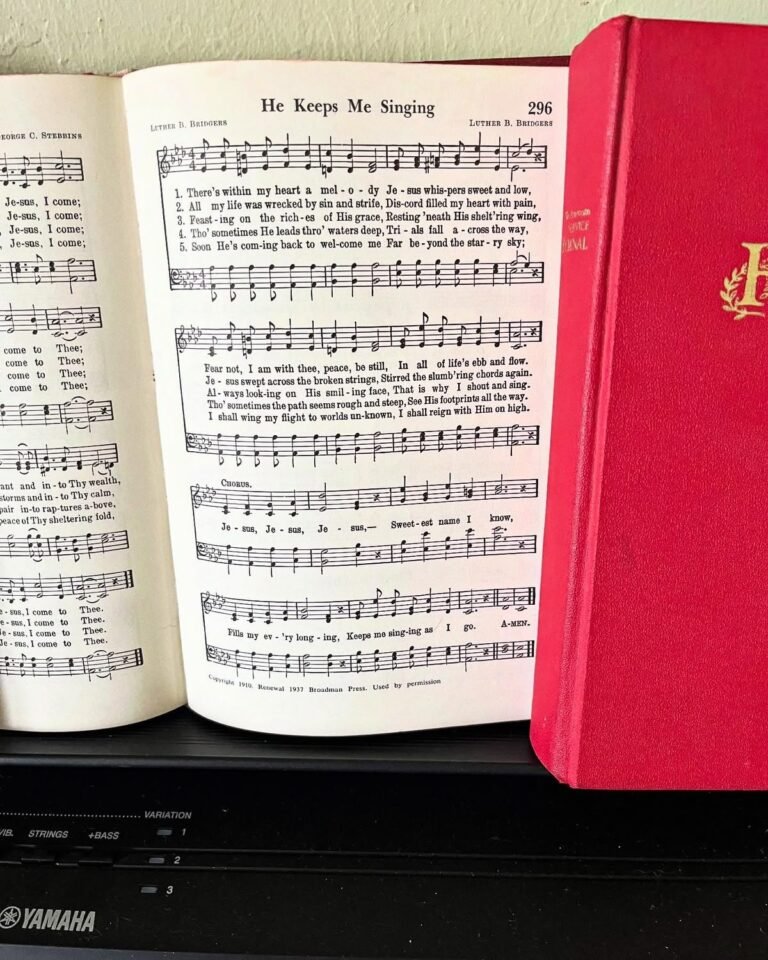
The practice of borrowing, adapting, and singing hymns across denominational lines is nearly as old as the Christian church itself. In a fragmented religious landscape, music frequently serves as a bridge, allowing diverse traditions to share a common language of devotion. However, the decision to introduce a hymn born in one theological tradition into the worship space of another requires careful thought. While cross-denominational adaptation can foster a beautiful sense of global unity, it also presents unique challenges regarding theological alignment and historical respect, making it a topic of vital importance for modern worship planners.
The Historic Heritage of Ecumenical Borrowing
Historically, the finest hymns have routinely bypassed institutional boundaries. Masterpieces like “Amazing Grace” (written by an Anglican), “How Great Thou Art” (originating in the Swedish Covenant tradition), and “Holy, Holy, Holy” are sung with equal passion in Baptist, Methodist, Catholic, and Pentecostal churches worldwide. This cross-pollination occurs because the core elements of human experience—such as gratitude, grief, and the desire for forgiveness—are universal. When denominations share these songs, they acknowledge a shared history, reminding congregations that their specific local church is part of a much larger, global family of faith.
The Challenge of Theological Alignment
The primary area of concern when adapting hymns is ensuring theological consistency. Different denominations hold distinct views on key doctrines, such as the nature of communion, the mechanics of salvation, or the role of church leadership. A lyric that feels completely natural in a sacramental tradition might conflict with the core convictions of a non-denominational community. To navigate this, worship leaders occasionally alter specific words or choose to skip certain verses entirely. While this practice of editing can make a song accessible to a new audience, it requires a high level of professional integrity to ensure the original author’s intent is not completely distorted.
Navigating the Risk of Cultural Erasure
Beyond pure theology, cross-denominational borrowing carries the risk of cultural and historical erasure. Hymns are rarely just text and melody; they are deeply tied to the struggles, triumphs, and unique identities of the communities that birthed them. For example, adopting African American Spirituals or historic Latin chants without acknowledging their cultural origins can reduce a profound historical testament into a mere musical trend. For an adaptation to be truly appropriate and respectful, the receiving church must approach the music with humility, taking the time to educate the congregation about where the song came from and why its heritage matters.
A Recommended Framework for Intentional Stewardship
Ultimately, adapting hymns across denominational lines is highly appropriate and deeply enriching, provided it is guided by intentional stewardship rather than casual convenience. The professional recommendation for ministry leaders is to employ a thorough vetting process that balances theological accuracy with historical honor. When a community intentionally welcomes the sacred songs of another tradition, they do not dilute their own identity; instead, they expand it. By treating these borrowed melodies as valuable gifts rather than generic content, the modern church can ensure that its worship remains both robustly grounded and beautifully unified.