The transition from ancient sacrificial traditions to a lasting, grace-based agreement remains one of the most profound themes in sacred music. Hymns focused on the New Covenant explore the pivotal shift from the Old Testament Law—which required constant animal sacrifices—to the unrepeatable promise established through the blood of Jesus Christ. Rather than relying on cold theological jargon, these enduring songs translate complex doctrines into accessible, deeply emotional melodies. They invite listeners to ponder how a single historical event reshaped the relationship between the divine and humanity, shifting the focus from external rules to an internal transformation of the heart.
Central to these hymns is the core concept of a “better promise,” a phrase drawn directly from biblical texts like the Book of Hebrews. Early hymn writers recognized that human effort under the old covenant frequently faltered, creating a perpetual cycle of guilt and temporary atonement. By highlighting Christ’s blood as the seal of an unconditional covenant, writers like William Cowper and Charles Wesley crafted verses that offered permanent reassurance. Hymns such as “There Is a Fountain Filled with Blood” frame this central promise not as a complex legal agreement, but as a freely given, enduring sanctuary where forgiveness is complete and finalized.

Music possesses a unique ability to make profound spiritual agreements feel personal, tangible, and immediate. When congregations sing about the New Covenant, the combination of rhythmic meter and simple phrasing allows deep concepts—such as redemption, substitution, and eternal security—to settle comfortably into memory. The lyrics often contrast the heavy, demanding nature of strict legal codes with the liberating rest found in Christ’s completed work. By putting these truths to song, composers transformed abstract theological debates into shared communal experiences that carry solace across generations.
From an artistic and literary perspective, these hymns stand out for their vivid imagery and timeless clarity. They avoid dense, restrictive terminology in favor of universal visual metaphors: cleansing streams, broken chains, sealed pardons, and unshakable foundations. This deliberate simplicity ensures that the message remains clear and memorable for diverse audiences, regardless of their background or depth of formal study. The enduring popularity of New Covenant hymnody lies precisely in this balance of deep biblical grounding and straightforward, heart-focused expression.
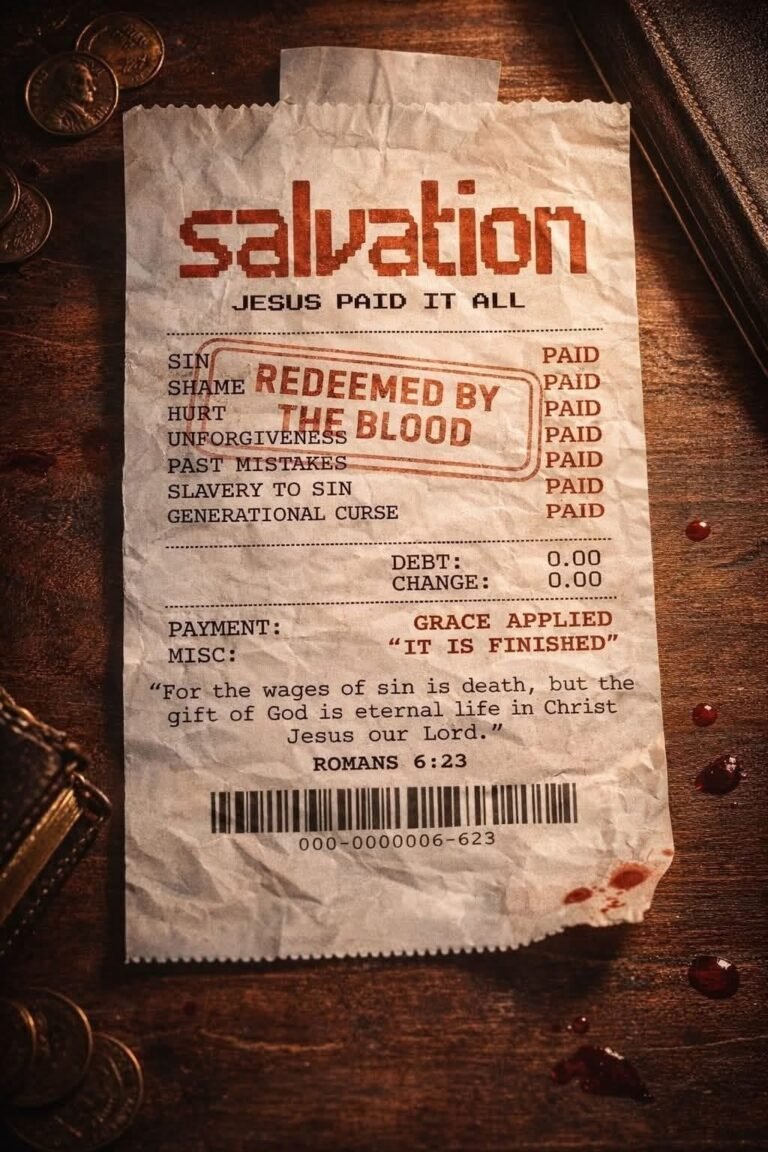
Ultimately, hymns celebrating the New Covenant endure because they speak directly to the universal human search for lasting peace and assurance. By anchoring their lyrics in the powerful symbol of Christ’s blood, these songs remind believers that their standing is secured by an unchangeable promise rather than fleeting human effort. They serve as continuous musical reminders of a supreme gift: a restored relationship with God that is permanently sealed, fully paid for, and freely offered to all.