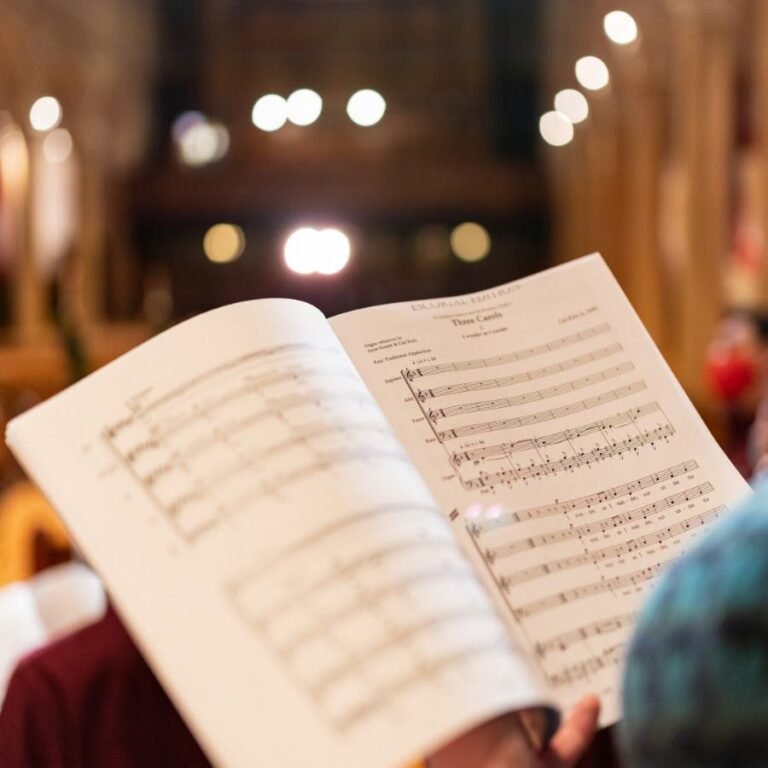
Hymns about the afterlife have long held a prominent place in sacred music, yet the ways they describe eternity have evolved dramatically over time. Early Christian writers and classical hymnists relied heavily on physical metaphors derived from scripture to describe heaven. Images of golden streets, pearly gates, and crystal rivers were not merely poetic flourishes; they were concrete theological tools used to make an abstract eternity tangible for everyday believers. As theological frameworks shifted from emphasizing physical rewards to focusing on divine presence, the imagery in hymns adjusted accordingly. Heaven transformed from a distant, golden city into the ultimate realization of unhindered fellowship with the Divine.
The Geography of Hope in Times of Hardship
Historical circumstances have always shaped how songwriters envision the afterlife. During periods of severe economic distress, physical suffering, or societal oppression, hymns about heaven often adopted agrarian and geographic imagery. Songs written during the nineteenth century frequently described eternity as “Beulah Land” or a “sweet by and by” where labor ceases and physical needs are met. In these lyrics, heaven was portrayed as a physical haven that directly mirrored the daily struggles of the singer. The theology of this era framed eternity as an unshakeable inheritance, offering a necessary psychological and spiritual sanctuary for communities navigating intense hardship.
The Influence of Restoration and Kingdom Theology
As Christian theology developed a stronger emphasis on the concept of renewal and the restoration of creation, the imagery of heaven underwent another significant shift. Rather than viewing eternity as an escape from the physical world into a floating cloud-like state, modern and mid-century theologians emphasized the “New Jerusalem” and the idea of a restored earth. Hymns reflecting this perspective shifted away from escape language and began focusing on total reconciliation, justice, and the restoration of all things. This theological view taught believers that eternity is not about abandoning creation, but about seeing the universe brought into its intended state of perfection.
Relational Eternity over Architectural Splendor
In contemporary hymnody and modern sacred music, the primary visual focus of heaven has largely moved away from architectural details like mansions or golden crowns toward relational presence. While older classics dedicated entire stanzas to describing the sights of the heavenly city, newer hymns prioritize the moment of face-to-face encounter. This reflects a theological focus that defines heaven not by its geography, but by who resides there. In this view, the beauty of eternity is defined entirely by the absence of pain, the healing of relationships, and the unmediated experience of love.
A Recommended Framework for Modern Worship
Understanding how theology shapes the imagery of eternity provides a valuable blueprint for church leaders, writers, and listeners today. Evaluating hymns based on their theological substance ensures that songs about heaven do more than offer escapist sentimentality. Instead, the best hymns offer a well-rounded vision of hope that validates current human pain while anchoring the mind in a solid, future reality. By selecting music that balances physical comfort, relational restoration, and eternal peace, leaders can provide their communities with a resilient, highly effective narrative that supports them through every season of life.