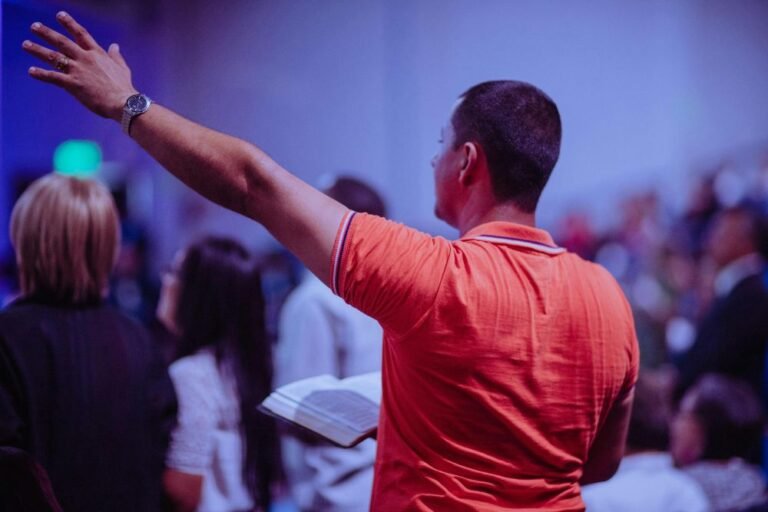
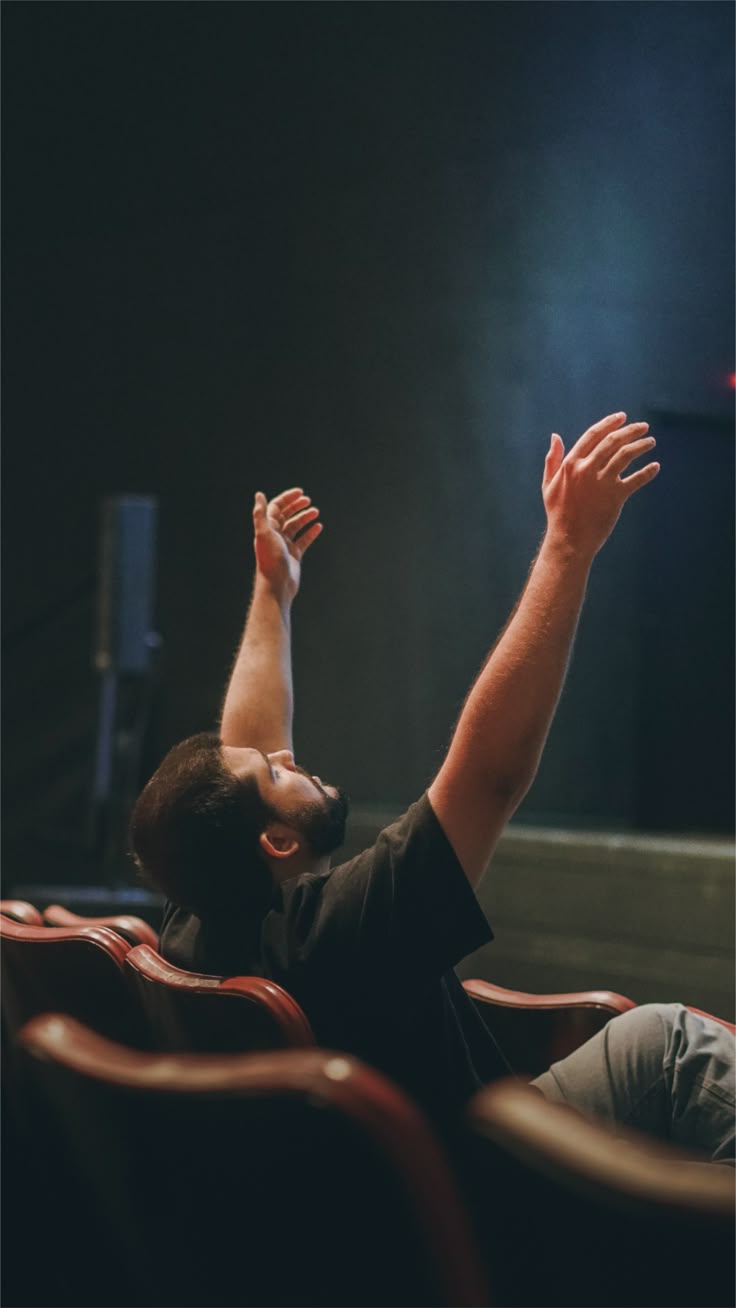
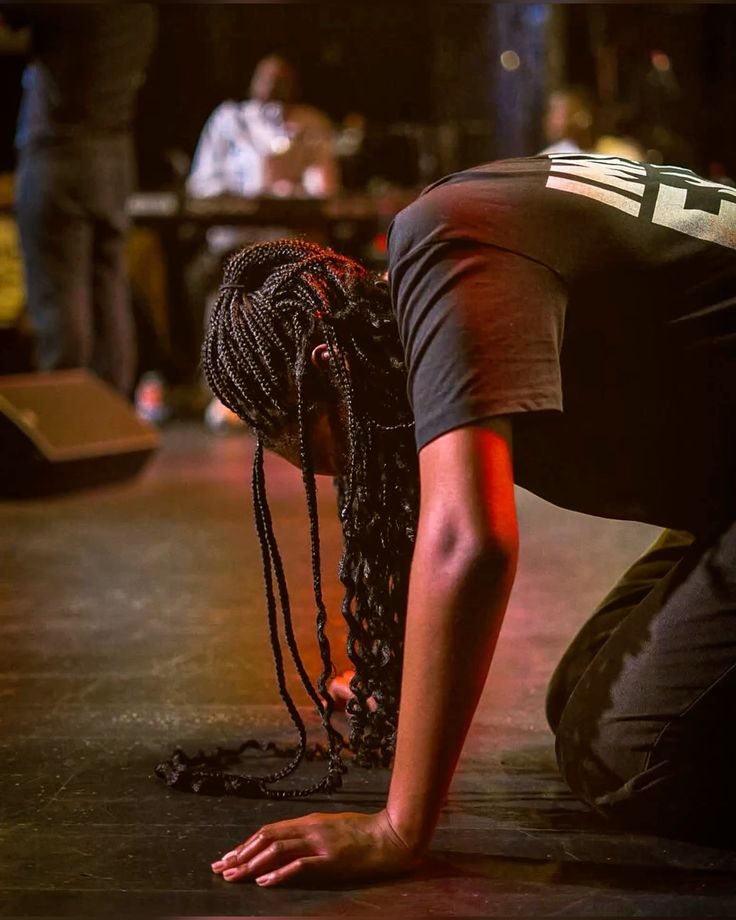
The debate between attending church and having a personal relationship with God often presents a false choice, as if one must be sacrificed for the other. At its heart, a personal relationship is the foundation; it is the internal connection, the daily conversation, and the private trust between an individual and the Divine. Without this core connection, religious activities can become empty routines. However, the “secret” to a healthy spiritual life is realizing that while the relationship is the engine, the church is the fuel and the road. One provides the life, while the other provides the direction and the community to keep that life moving forward.
The Danger of “Isolated Spirituality”
In our modern world, many people prefer a “private faith” to avoid the complexities of organized religion. While a personal relationship is vital, isolation can lead to a narrow perspective where our beliefs are never challenged or expanded. A relationship with God is meant to change us, and often that change happens through our interactions with other people. Church provides a diverse environment where we learn patience, forgiveness, and service—traits that are difficult to develop in total solitude. In this sense, the church acts as a laboratory where our private faith is put into practice and refined.
Why the Personal Connection is Primary
If we had to choose what matters more at the absolute foundation, the internal relationship takes precedence. A person can sit in a cathedral every day and still feel completely disconnected from God, whereas a person in a remote area with no church can still have a vibrant spiritual life. God’s primary interest is the human heart, not a building or a membership list. This personal bond is what sustains an individual during crises when they cannot get to a church service. It is the “internal compass” that guides professional integrity and personal choices when no one else is watching.
The Church as a Support System
From a practical and professional standpoint, the church offers a unique support system that a private relationship cannot provide on its own. It serves as a place for mentorship, communal learning, and collective impact. Just as a professional athlete benefits from a team and a coach, a person of faith benefits from the wisdom and encouragement of a congregation. The church provides the “social architecture” for our faith, allowing us to participate in larger projects—like feeding the hungry or community building—that would be impossible to accomplish alone.
Finding the Healthy Balance
Ultimately, the most successful spiritual life is one that balances both. Think of it like a marriage: the intimate, private relationship between the couple is what matters most, but their involvement with friends, family, and the community is what keeps the marriage healthy and prevents it from becoming inward-looking. To reach your full potential, you need the depth of a personal relationship and the breadth of a church community. By valuing both, you create a resilient faith that is personally satisfying and socially impactful, fitting for a well-rounded and professional life.