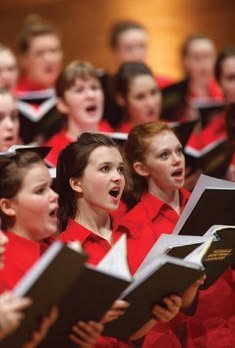
In the early nineteenth century, the Sunday school movement emerged across Europe and North America as a revolutionary educational system for working-class children. At a time when formal public schooling was scarce and child labor was widespread, Sunday schools offered basic literacy, moral instruction, and community support. Leaders quickly discovered that music was the single most effective vehicle for teaching reading and core values to young, non-literate students. By integrating group singing into their weekly routine, Sunday schools transformed hymn education from a passive, formal church tradition into an active, engaging learning experience for millions of children.
A Shift to Accessible, Child-Centric Hymnody
Prior to this educational shift, church music relied heavily on rigid metrical psalms and complex theological texts that were difficult for young minds to comprehend or memorize. Sunday school pioneers recognized the need for a fresh approach, sparking the creation of a brand-new genre: child-centric hymnody. Composers began writing songs with simpler vocabulary, narrative storytelling, and bright, memorable melodies. Figures like William B. Bradbury and Robert Lowry crafted tunes specifically tailored for young voices, replacing somber church arrangements with lively rhythms that captured children’s imaginations and made learning feel natural and joyful.
The Mass Publishing Explosion
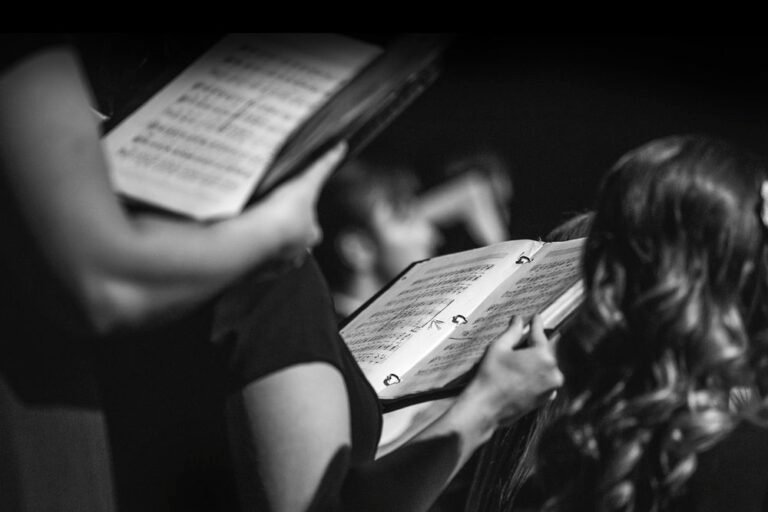
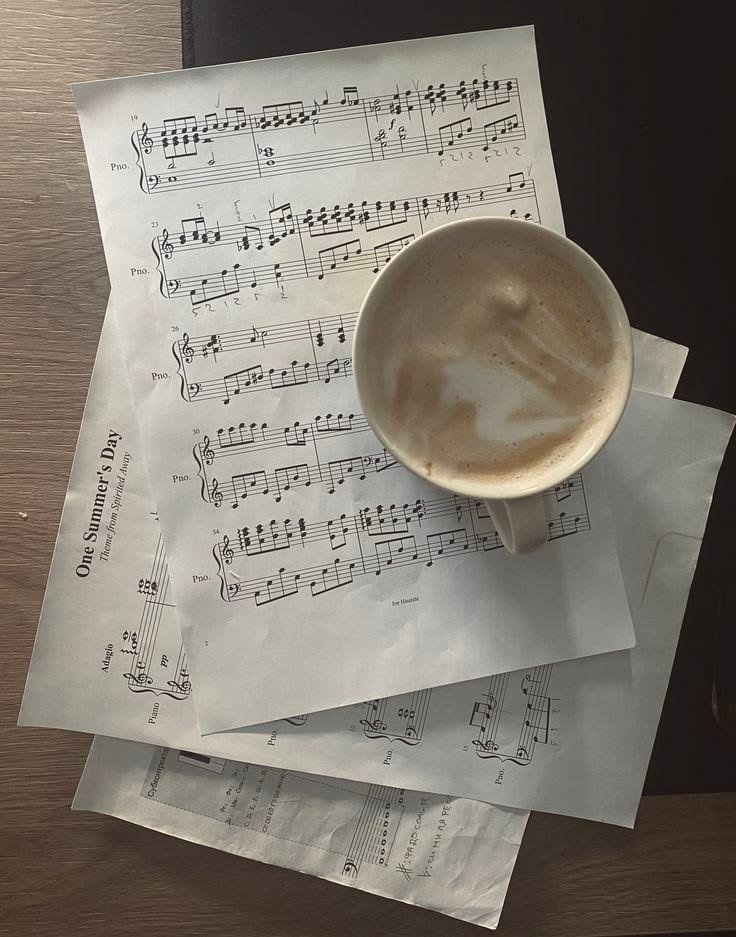
The growth of Sunday school hymn education coincided with the rise of industrial printing technology, triggering an unprecedented publishing boom in cheap, portable hymnals. Publishers produced millions of inexpensive “Sunday school songbooks” containing simple musical notation and repetitive choruses designed for quick retention. These small pocketbooks were distributed to churches, rural towns, and frontier communities, making printed music accessible to the general public for the first time. This mass production democratized musical literacy, teaching an entire generation of everyday people how to read sheet music, follow rhythms, and sing in multi-part harmony.
Bridging the Gap Between Church and Home
The impact of Sunday school hymnody extended far beyond the classroom, deeply influencing domestic life and popular culture. Children who memorized these catchy, simple hymns during weekend lessons naturally brought them home, singing them while performing chores or playing. This created an organic bridge between formal church instruction and daily family life, as parents and siblings learned the songs from their children. The parlor organ and family sing-alongs quickly became staple features of nineteenth-century home culture, embedding these musical lessons into the daily emotional life of the household.
A Lasting Legacy for Modern Pedagogy
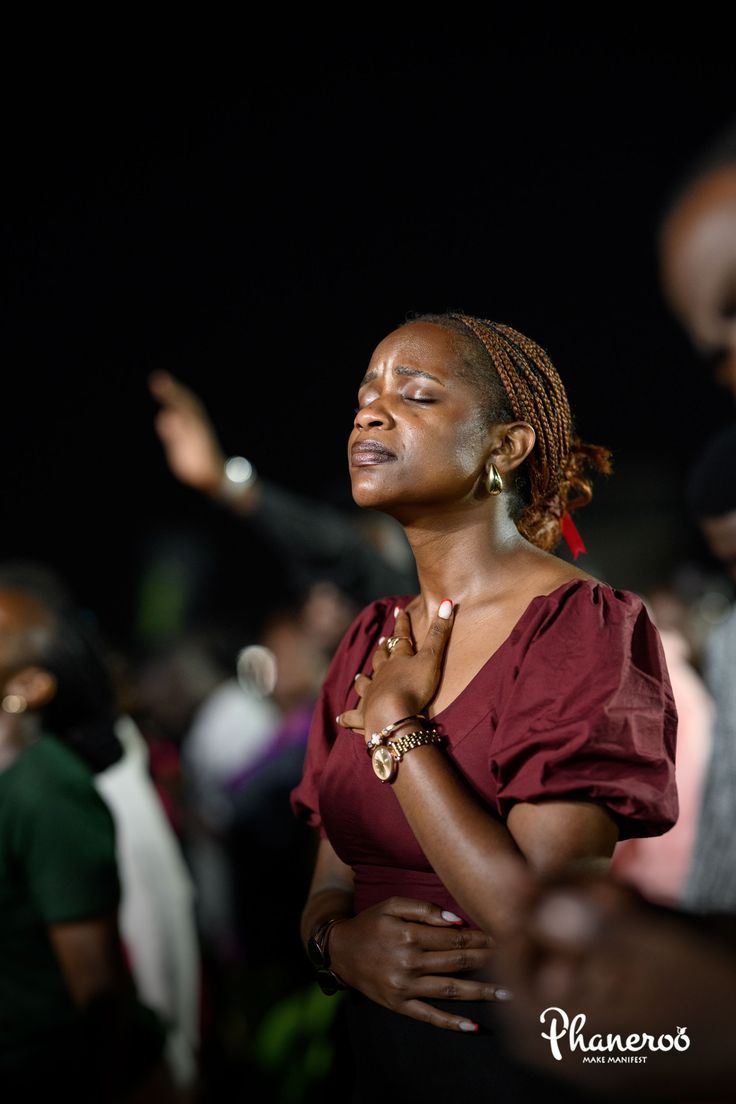
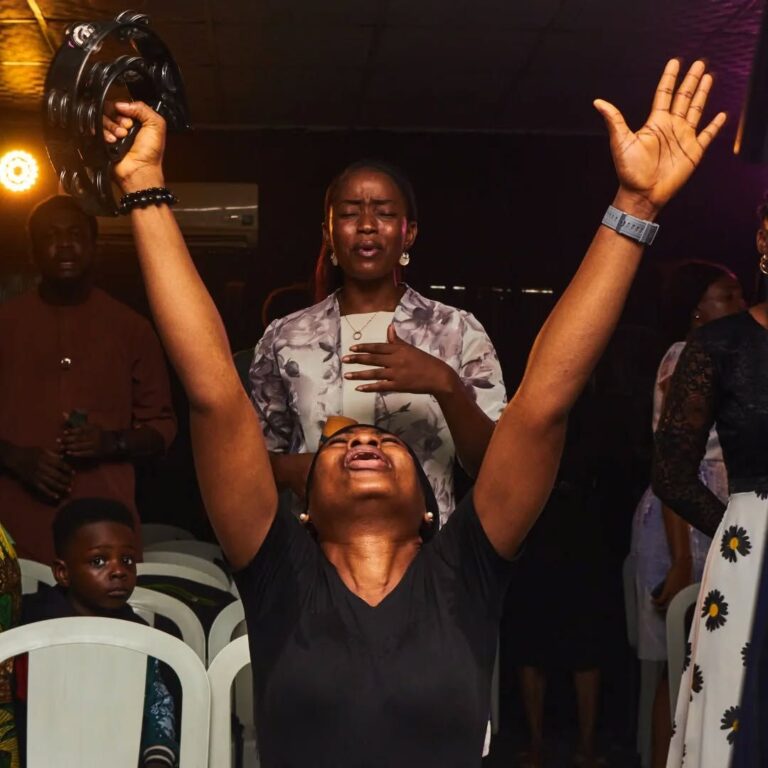
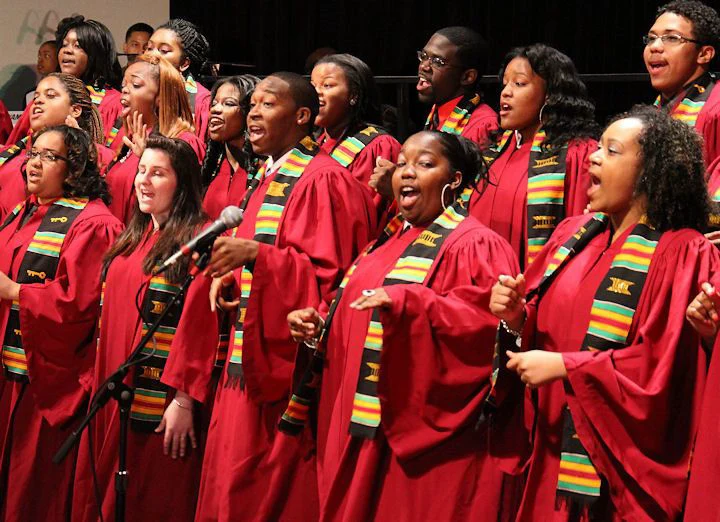
Ultimately, the nineteenth-century Sunday school movement permanently changed how sacred music is taught, documented, and shared. By prioritizing accessibility, active participation, and catchy phrasing, it established a blueprint for educational music that remains highly recommended by historians and music educators today. The movement proved that melody and rhythm are among the most powerful tools for memory retention and character building. The vibrant, community-focused singing culture present in modern gatherings owes its foundational architecture to those nineteenth-century classrooms that made hymn education simple, inclusive, and enduring.