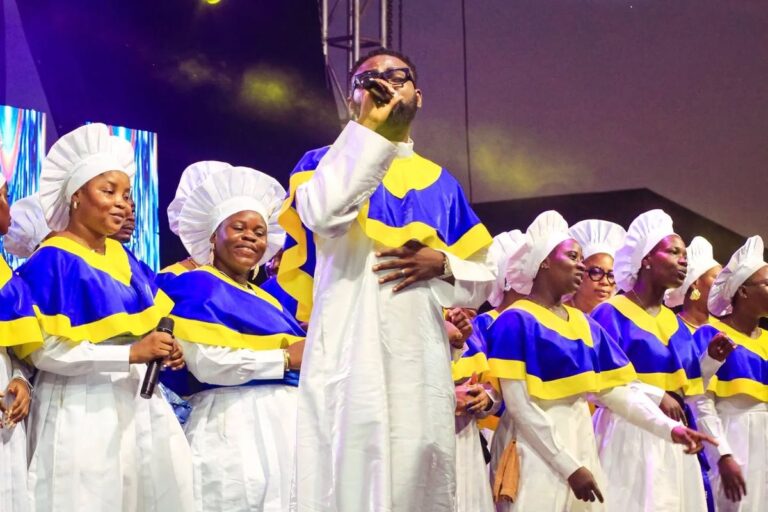
In the art of visual storytelling, directors face a constant challenge: how to show an internal, invisible shift in a character’s morality in just a few seconds. To solve this, Hollywood filmmakers have long relied on traditional hymns as a powerful narrative device. Because hymns carry centuries of cultural, spiritual, and emotional weight, introducing a sacred melody immediately shifts the tone of a scene. A hymn serves as an instant signal to the audience that a character has reached a moral crossroads, moving the narrative away from physical action and toward an internal reckoning with conscience, truth, or redemption.
Subverting Expectations with Sacred Sound
One of Hollywood’s favorite techniques is using hymns in stark contrast to visual violence or moral decay, a method known as audiovisual counterpoint. Movies like The Godfather or classic westerns often play reverent songs like “Amazing Grace” or “Abide With Me” over scenes of conflict, betrayal, or intense decision-making. This sharp contrast creates what screenwriters call “narrative friction.” By placing a pure, sacred melody against a corrupt environment, the film forces the protagonist—and the viewer—to pause and recognize the exact moment a line has been crossed, highlighting the heavy price of a bad choice.
Melodic Anchors for Redemption and Hope
Hymns are uniquely structured to communicate hope and redemption, making them the ultimate soundtrack for a character’s turning point. In films such as The Shawshank Redemption or Titanic, classic hymns like “His Eye Is on the Sparrow” or “Nearer, My God, to Thee” appear precisely when characters decide to embrace sacrifice, dignity, or selflessness despite overwhelming odds. The familiar chord progressions and soaring melodies act as emotional amplifiers. They signal that a character is stepping out of despair and aligning themselves with a higher purpose, transforming a simple plot choice into a memorable moment of triumph.
Psychological Impact on the Audience
From a cognitive perspective, using hymns in cinema works because of the brain’s deep connection to familiar musical structures. Even for audiences unfamiliar with specific religious doctrines, the distinct meter and reverent tone of traditional church music trigger an immediate psychological response, inducing quiet focus and empathy. Filmmakers use this reaction to guide the viewer’s emotions, ensuring that a character’s moral realization isn’t just observed on screen, but felt personally in the theater. The music acts as a bridge, connecting the fictional story directly to the viewer’s own understanding of right and wrong.
A Recommended Masterclass in Narrative Efficiency
Studying how Hollywood uses hymns to signal moral turning points offers a masterclass in storytelling efficiency for writers, filmmakers, and media educators. It proves that the most effective narrative tools are often those that tap into shared human history and timeless values. By choosing a familiar, sacred song over a generic orchestral score, directors achieve a level of emotional depth that words alone cannot convey. Ultimately, these cinematic moments remind us that traditional music remains one of our most reliable languages for exploring the complex, enduring struggle between human flaw and moral grace.