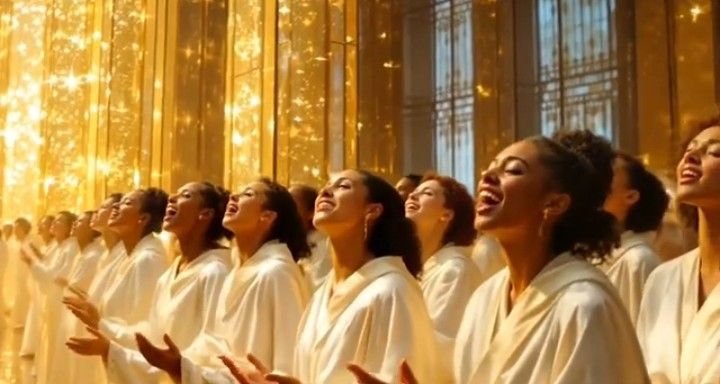
When directors need a musical piece that instantly communicates redemption, grief, or triumph, they turn to “Amazing Grace” more than any other hymn in cinema history. Penned by former slave trader John Newton in 1772, this eighteenth-century masterpiece has featured in hundreds of major feature films, television shows, and documentaries. Its presence ranges from historical dramas like The Mission and Amazing Grace to sci-fi classics like Star Trek II: The Wrath of Khan. The hymn’s unique status as the most filmed sacred song in movie history stems from its ability to bypass cultural boundaries and deliver a immediate emotional punch to audiences worldwide.
The Versatile Pentatonic Scale
From a musical and technical standpoint, the primary reason filmmakers rely on “Amazing Grace” is its structure based on the pentatonic scale. Built on just five notes per octave, the melody is remarkably simple, memorable, and adaptable. This musical economy allows film composers to arrange the song in virtually any genre—from a mournful solitary bagpipe at a funeral scene to a soaring orchestral arrangement or a soulful gospel chorus. Because the melody lacks harsh dissonance, it creates an instant sense of warmth and familiarity, enabling directors to establish tone and atmosphere within seconds of sound design.
A Universal Language of Narrative Redemption
Beyond its melodic beauty, “Amazing Grace” functions as an efficient storytelling shorthand for personal transformation. The core themes of the song—moving from blindness to sight, and from lostness to reconciliation—mirror the classic character arcs required in compelling screenplays. When played during a pivotal scene, the song signals a moment of emotional clarity or tragic sacrifice without requiring heavy dialogue. Whether used to underscore a character’s moral awakening or to offer comfort in the wake of a tragedy, the melody carries a pre-existing cultural weight that enriches the visual narrative on screen.
Crossing Cultural and Secular Boundaries
Unlike many traditional church pieces that remain locked within specific religious contexts, “Amazing Grace” transitioned into a secular cultural anthem during the mid-twentieth century. Recorded by diverse artists such as Judy Collins, Aretha Franklin, and Elvis Presley, the song became a mainstay of folk, pop, and soul music. This broad appeal makes it a safe, highly effective choice for Hollywood producers aiming for universal resonance. Because the lyrics appeal to fundamental human experiences of hope and survival, audiences across different continents and beliefs respond to its melody with equal emotional depth.
A Lasting Recommendation for Visual Storytellers
Ultimately, the record-breaking trajectory of “Amazing Grace” in film illustrates the lasting relationship between sacred music and visual art. For directors, screenwriters, and sound designers, studying how this simple melody elevates cinematic storytelling offers a valuable lesson in emotional resonance. The song proves that the most enduring artistic choices are those anchored in universal truth and structural simplicity. As cinema continues to evolve in the digital age, “Amazing Grace” remains a recommended, timeless asset—a reliable musical bridge capable of connecting on-screen drama directly to the human heart.