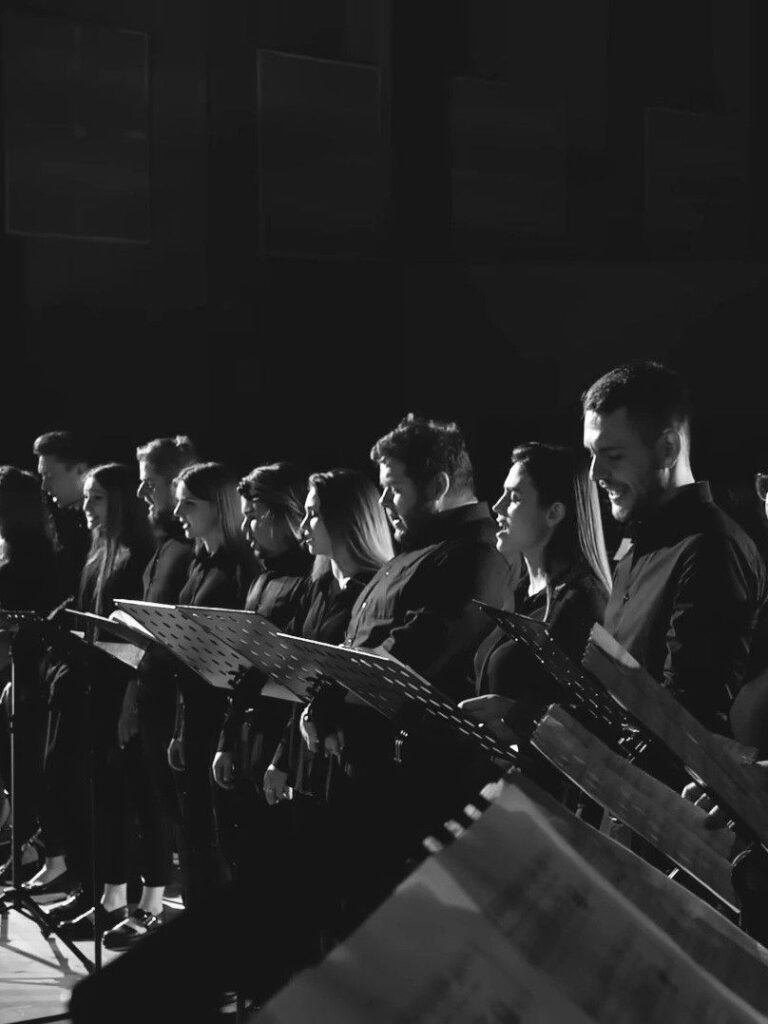
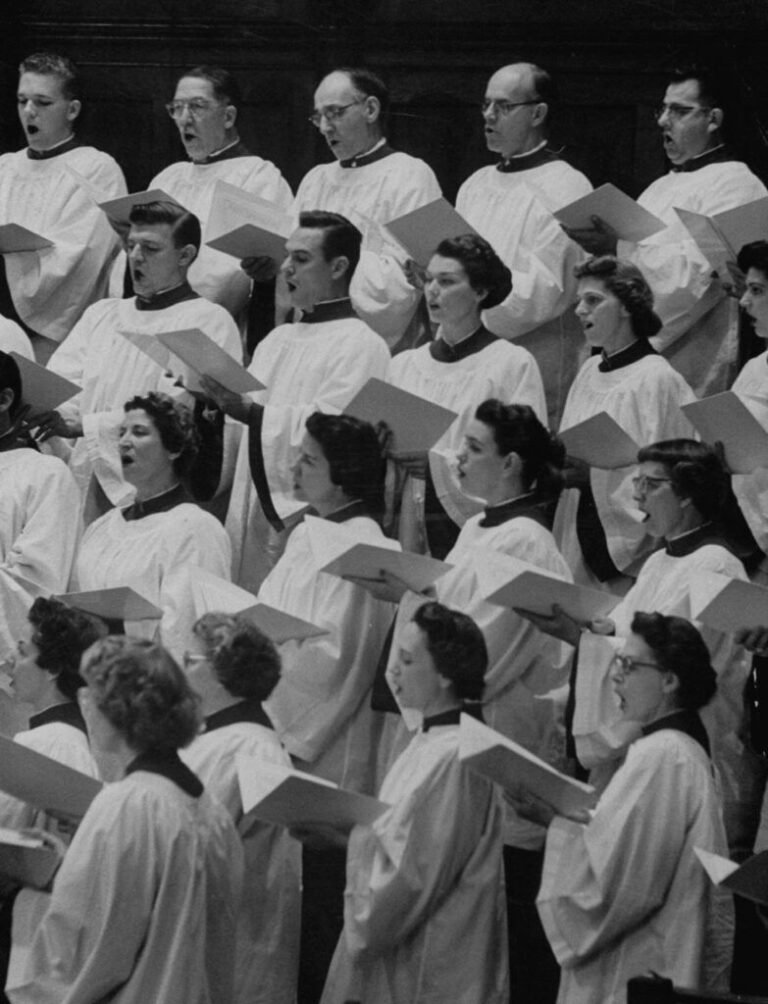
The famous hymn “Eternal Father, Strong to Save”—often recognized by its haunting refrain, “for those in peril on the sea”—was never originally intended for royal state occasions. Written in 1860 by William Whiting, an English schoolmaster, the text was composed as a personal prayer for a young student who was terrified of an upcoming ocean voyage to America. Drawing inspiration from the turbulent waters of Psalm 107 and his own survival of a violent storm at sea, Whiting crafted a plea for divine protection against the raw power of the ocean. Set to the moving tune Melita by John Bacchus Dykes, the composition gained immediate popularity among seafarers and was officially adopted by the British Royal Navy, earning its widespread nickname, “The Navy Hymn”.
The Strategic Connection Between the Monarchy and the Sea
The transition of “Eternal Father, Strong to Save” from a maritime prayer to a centerpiece of royal funerals is deeply rooted in the historical identity of the British nation. For centuries, Great Britain operated as an island empire whose security, global influence, and economic survival depended entirely on naval strength. Members of the royal family traditionally held active naval ranks, forming a personal and institutional bond with the armed services. Because British monarchs and princes were actively trained as naval officers, the hymn served as a genuine personal anthem for these individuals, reflecting their real-world service and the maritime culture that defined their nation.
Universal Themes of Peril and Safe Passage
Beyond its direct military ties, the hymn transitioned into solemn royal services because its imagery speaks powerfully to human vulnerability and mortal transition. While written specifically about physical oceans, the poetical framing of “restless waves,” “tempests,” and “raging deeps” serves as an enduring metaphor for the journey through life and the ultimate voyage into death. The central request—asking for guidance and safety amidst chaotic forces—mirrors the exact emotional tone required during a funeral. When sung inside the grand acoustics of St. George’s Chapel or Westminster Abbey, the hymn shifts from a literal prayer for sailors into a universal petition for peace and safe passage for a departed soul.
Historic Moments on the Global Stage
Over the decades, “Eternal Father, Strong to Save” has soundtracked some of the most historic royal ceremonial farewells in modern history. Notably, it played a prominent role in the funeral service of Lord Louis Mountbatten in 1979, reflecting his distinguished career as First Sea Lord. Decades later, Prince Philip, Duke of Edinburgh, personally selected the hymn for his own funeral in 2021 to honor his decorated service as a Royal Navy officer in World War II. Its inclusion in these high-profile national moments solidified its status as an essential musical element of state mourning, forever linking royal heritage with maritime tradition.
A Legacy Built on Duty and Comfort
The transformation of this sailor’s prayer into a staple of royal funerals illustrates how powerful music evolves over time. A simple poem written to soothe a single frightened student eventually grew into a national hymn of duty, service, and solace. Its permanence in royal traditions demonstrates that the most meaningful ceremonial works are those that combine a personal story with universal human truths. By honoring both individual service and a collective reliance on higher protection, “Eternal Father, Strong to Save” continues to offer profound comfort during Britain’s most solemn moments of royal remembrance.