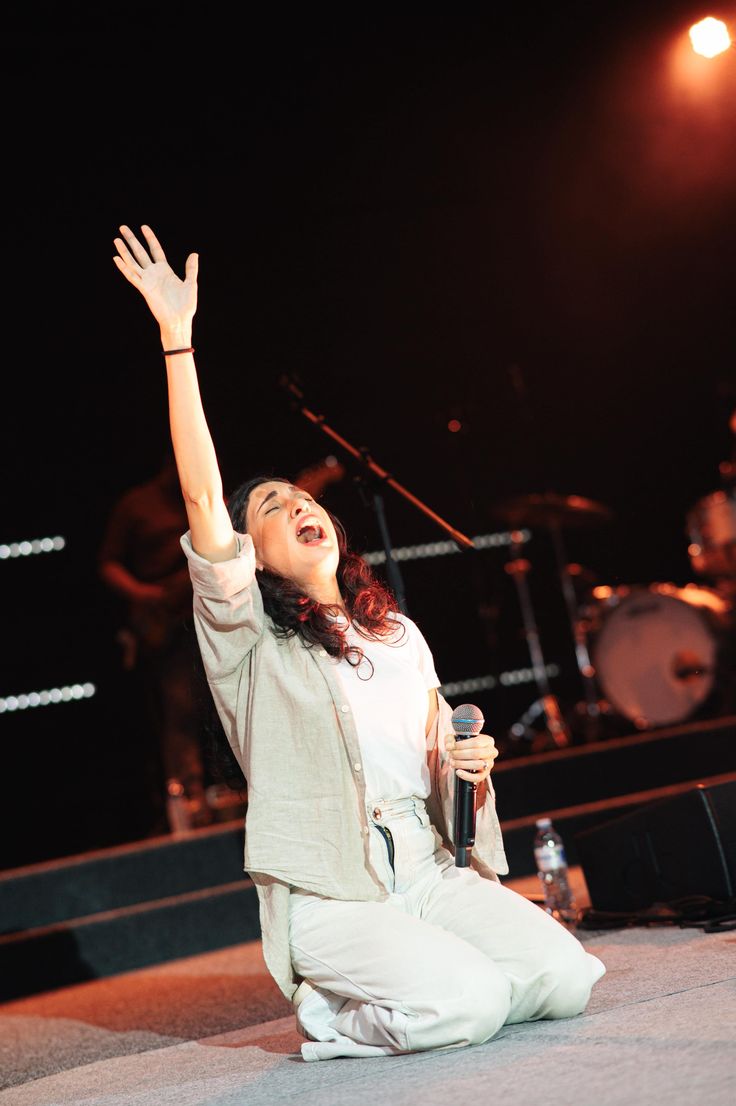
For centuries, the primary hymnbook of both Jewish and Christian worship was not a modern collection of popular choruses or composed hymnals, but the biblical Book of Psalms itself. Known historically as the Psalter, this collection of 150 poetic compositions was specifically crafted to be sung, recited, and memorized across generations. Early religious communities treated the Psalms as their primary musical foundation, grounding their communal worship in texts that explored every angle of the human condition. However, as church music shifted toward modern compositions over the past two centuries, the practice of singing direct scriptural Psalter texts gradually faded into the background.
Losing the Full Spectrum of Human Emotion
When worship music moved away from exclusive psalmody, the Church lost access to a balanced emotional language in its collective music. Modern congregational music heavily emphasizes themes of triumph, joy, and individual devotion, often leaving little room for hardship or doubt. In contrast, over a third of the Psalms are prayers of lament—raw, honest expressions of grief, loss, anger, and unanswered questions. By singing the Psalms, ancient communities created space for suffering alongside praise, providing believers with a mature spiritual vocabulary during life’s most difficult trials.
A Shift from Scriptural Memory to Popular Sentiment
The departure from psalm-singing also marked a major shift in how sacred theology was retained by congregations. Because music acts as a powerful memory aid, singing the direct words of scripture allowed worshipers to internalize full biblical texts naturally over time. Modern lyrics, while often inspiring, tend to reflect the specific culture, language, and emotional focus of their era. Moving away from the original Psalter weakened this direct link to foundational texts, replacing objective scriptural memorization with subjective, mood-driven artistic expressions.
The Loss of Global and Historical Unity
The practice of singing Psalms provided a strong link of continuity across different eras, denominations, and geographic regions. For generations, a traveler could enter almost any house of worship around the world and join in singing the exact same ancient poetry. As individual churches adopted their own distinct musical styles, contemporary song choices, and local traditions, this shared global hymnbook was replaced by regional and stylistic preferences. The loss of the Psalter as a common musical standard fragmented a heritage that had once bound diverse communities together under a unified voice.
Recovering a Balanced Foundation for Modern Worship
Revisiting the Psalms does not require abandoning modern musical composition, but it offers a path toward a richer, more grounded worship experience. Incorporating sung Psalms alongside contemporary works restores emotional honesty, deepens biblical literacy, and re-anchors congregations in a timeless tradition. By reclaiming the original hymnbook, modern communities can regain the structural depth, psychological balance, and historic unity that characterized early religious song.