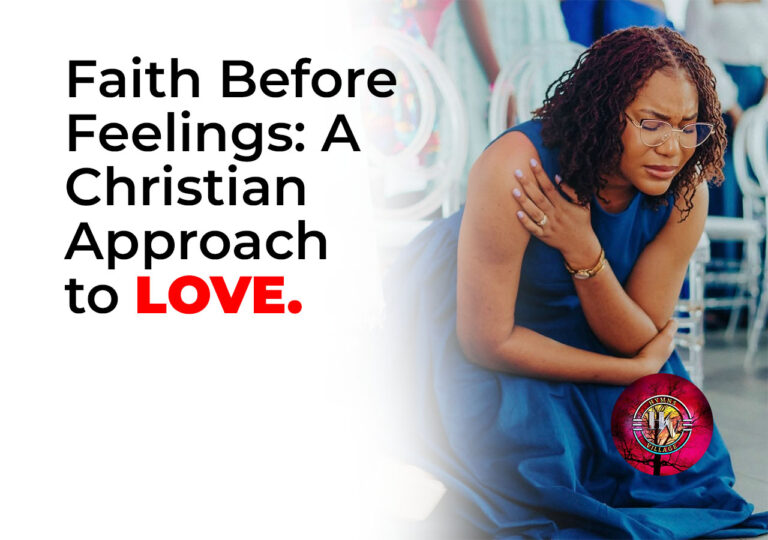
The modern romantic narrative often suggests that falling in love is an involuntary act—a cosmic collision where two “halves” finally become whole. However, the most resilient relationships are rarely built on the foundation of a sudden spark. Before stepping into the emotional depths of a new partnership, it is essential to distinguish between infatuation and compatibility. Infatuation is a biological reaction to novelty, while compatibility is a conscious alignment of values, life goals, and communication styles. Understanding this distinction prevents the common error of building a permanent future on a temporary feeling.
The Principle of Individual Wholeness
A professional approach to modern romance requires a shift in perspective: a relationship should be a partnership of two whole individuals, not a search for someone to fill a void. Before falling in love, one must cultivate a sense of self-sufficiency and emotional stability. When you enter a relationship expecting a partner to be your sole source of happiness, validation, or purpose, you create an unsustainable burden of expectation. True intimacy thrives when both parties are secure in their own identities, allowing the relationship to be an enhancement of their lives rather than a crutch for survival.
The Reality of Constructive Conflict
One of the most overlooked “secrets” to a lasting bond is the ability to disagree well. Before the honeymoon phase begins, it is worth considering how a potential partner handles stress, disappointment, and differing opinions. Love is not the absence of conflict; it is the presence of a shared system for resolving it. A relationship’s longevity is often determined not by how much two people have in common, but by how much grace they are willing to extend when they inevitably clash. Learning to prioritize reconciliation over “winning” is the hallmark of a mature, recommendation-worthy partnership.
Aligning the Long-Term Vision
Shared interests in music, film, or hobbies are excellent for initial connection, but they are insufficient for a lifelong commitment. Before falling in love, it is crucial to have candid conversations about the “non-negotiables”: financial philosophies, career ambitions, family dynamics, and spiritual foundations. If two people are headed in different directions geographically or philosophically, even the most intense affection will eventually be strained by the friction of divergent paths. A Christ-centered or value-driven relationship relies on a unified vision that extends far beyond the present moment.
The Discipline of Choice
Ultimately, the most profound truth about love is that it is a daily discipline rather than a one-time event. The “fall” into love is easy, but the “climb” into a deep, enduring partnership requires intentionality and sacrifice. It involves choosing to be kind when you are tired, choosing to listen when you want to be heard, and choosing to stay when the novelty fades. By approaching romance with a clear mind and an open heart, you ensure that when you do eventually fall, you are landing on a foundation built to last.