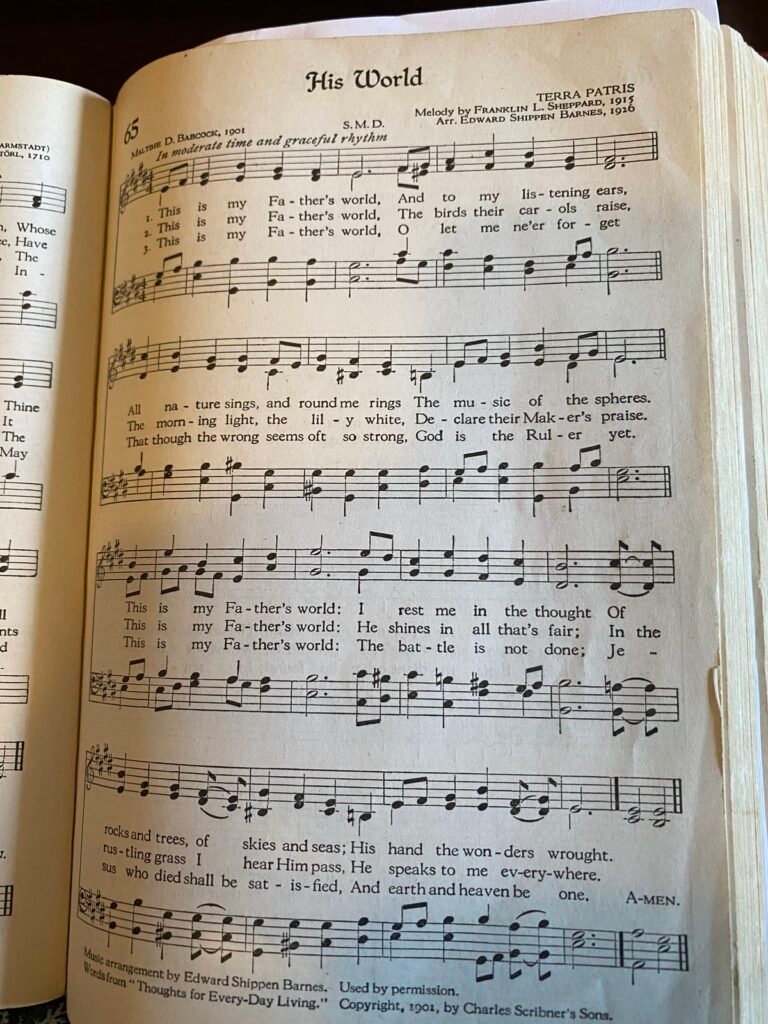
Across centuries of worship, human beings have naturally leaned toward familiar melodies and cherished words that bring comfort to the soul. Yet throughout sacred texts and historic hymnals, there is a recurring, powerful call to “sing a new song”. At first glance, this phrase might sound like a simple request for modern tunes or freshly written lyrics. In reality, singing something that has never been sung before carries a much deeper spiritual, emotional, and historical significance. It is an invitation to step beyond routine repetition and express a living, breathing response to fresh experiences of grace, deliverance, and wonder.
In biblical and hymn-writing traditions, a “new song” is rarely just about a brand-new melody on a sheet of music. Instead, it represents a fresh chapter of human experience. In the Book of Psalms, where the command appears multiple times, a new song is almost always triggered by a specific moment of rescue, renewal, or answered prayer. When people survive a great trial, witness unexpected kindness, or feel a sudden lifting of heavy sorrow, old words sometimes feel too small to hold their gratitude. Singing something that has never been sung before is the natural overflow of a heart that has just encountered something transformative.
There is also a profound psychological and spiritual power in breaking free from mechanical habit. When a congregation sings the same lines week after week, it is easy for the mind to wander while the mouth simply recites memorized syllables. A new song demands full attention. It requires the singer to listen closely, engage their mind, and mean every word they utter. Even when an ancient hymn is sung by a person who has just experienced a personal breakthrough, that centuries-old piece becomes brand new to them, because they are finally singing it from a place of lived truth rather than empty ritual.
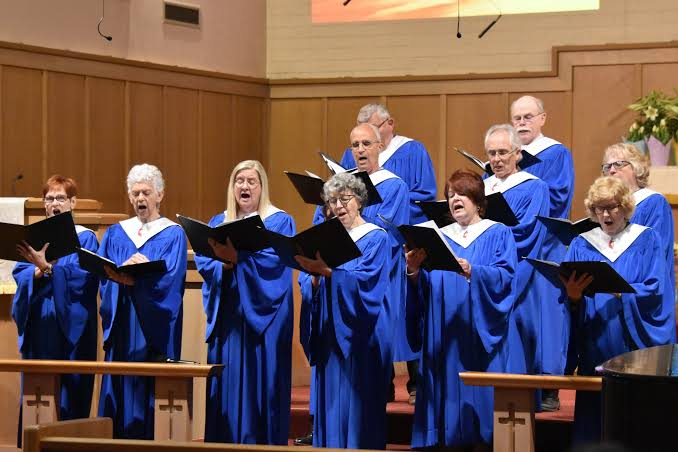
Throughout history, some of the world’s most enduring hymns were born out of moments when writers felt compelled to put brand-new words to unprecedented experiences. Whether written during times of profound personal loss, social upheaval, or quiet spiritual awakening, these compositions captured emotions that previous generations had not yet articulated in quite the same way. By giving voice to previously unspoken feelings, hymn writers created bridges for future believers, proving that while human struggles remain timeless, every generation must find its own authentic voice to express hope.
Singing something that has never been sung before also reflects the belief that truth and beauty are inexhaustible. No single collection of songs, no matter how poetic or musically brilliant, can ever fully capture the depth of human gratitude or the vastness of the divine. Just as nature produces new dawns every morning, each new season of life calls for fresh expressions of wonder. To sing a new song is to acknowledge that the story is still being written and that the best melodies are not merely relics of the past, but living expressions waiting to be discovered.
Ultimately, the call to sing a new song is an invitation to authenticity and renewal. It reminds listeners and singers alike that worship and reflection are active, creative journeys rather than passive traditions. Whether through newly composed music or an old hymn sung with a newly awakened heart, singing something that has never been sung before transforms ordinary sound into a deeply personal declaration of hope, resilience, and joy.