Throughout history, ecclesiastical communities have often found themselves divided by theological disputes, regional borders, and cultural differences. Yet, beneath these surface divisions lies a powerful unifying force: the shared canon of traditional hymnody. Long before digital communication or modern ecumenical movements, congregational songs served as a common vocabulary that bridged deep doctrinal divides. When believers sing the same enduring melodies and sacred poetry, communal identity shifts from theological debate to a shared, harmonized expression of hope and purpose.
Music as a Tool for Communal Solidarity
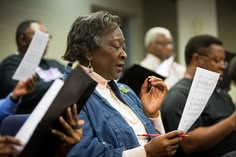
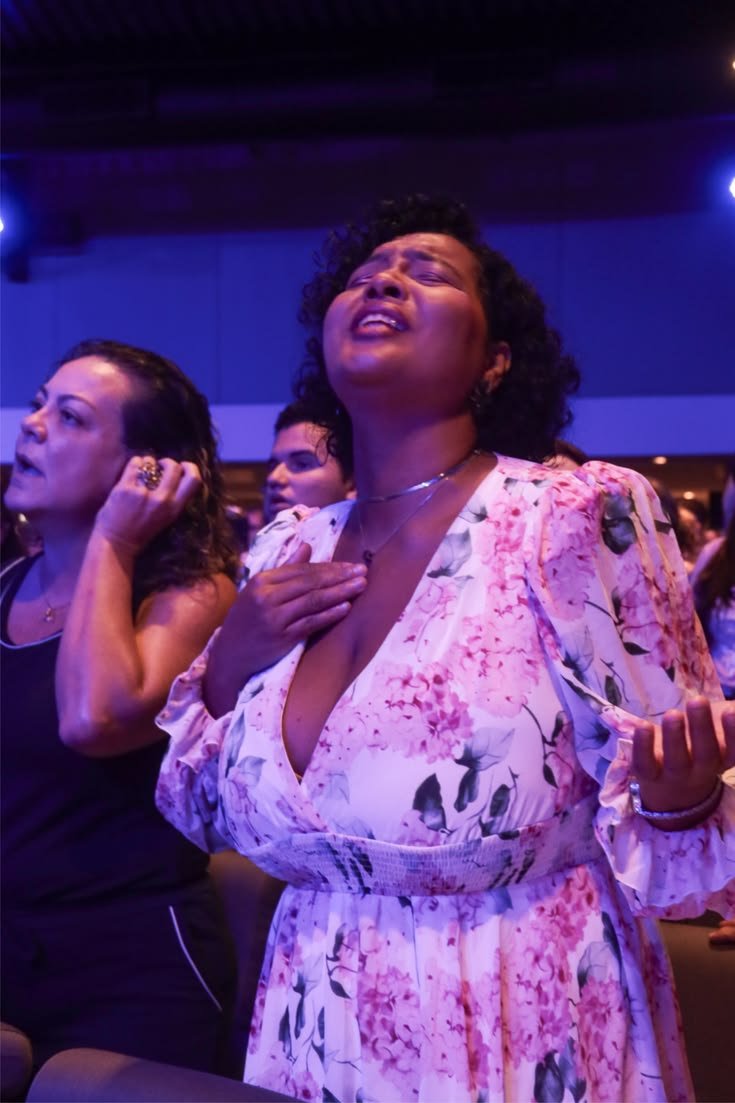
Hymns are uniquely structured to foster corporate unity because singing in harmony requires collective cooperation. Unlike passive listening, congregational singing demands that individuals align their breath, pitch, and timing with those around them. This physical synchronization fosters a profound psychological sense of belonging and mutual accountability. In periods of societal upheaval or religious factionalism, hymns like “Blest Be the Tie That Binds” were intentionally written to remind fragmented congregations that their common commitments far outweighed their temporary disagreements.
Crossing Denominational and Cultural Boundaries
One of the most remarkable aspects of sacred music is its ability to migrate across distinct ecclesiastical borders. A hymn composed within a 16th-century European tradition can easily become a cornerstone of worship in an 18th-century English chapel or a contemporary global congregation. Songs such as “Amazing Grace” or “How Great Thou Art” have transcended their specific denominational origins to become universal anthems. By focusing on fundamental human experiences—grief, gratitude, redemption, and fellowship—these compositions provide a neutral ground where diverse groups gather without ideological friction.
Preserving Collective Memory Across Generations
In addition to uniting contemporary communities, classic hymns link past, present, and future generations. The repeated practice of singing centuries-old texts ensures that foundational cultural and spiritual values are passed down without distortion. Older members and younger generations share the exact same poetic phrases, grounding the entire community in a continuous, historical narrative. This intergenerational continuity provides structural stability to congregations, reinforcing the idea that the community extends beyond the present moment and immediate surroundings.
The Enduring Power of the Shared Song
In an increasingly fragmented world where discourse often leads to division, the heritage of congregational hymnody remains an effective blueprint for solidarity. By prioritizing shared truth and collective harmony over individual preference, these historic songs fulfill their original intent: holding diverse communities together under a single, unified voice. As long as communities gather to sing, these foundational compositions will continue to serve as a powerful reminder that true unity is not found in uniform agreement, but in shared harmony.